Light grey grout has quietly become the default choice for designers and contractors alike, and for good reason. It bridges the gap between stark white and bold charcoal, giving your tile a clean, finished look without showing every speck of dirt. Whether you are tiling a kitchen backsplash, a bathroom floor, or a shower surround, choosing the right grey can make or break the final result.
In this guide, you will learn how to pick the correct shade, how light grey behaves with different tile colors, how to seal and maintain it, and the small details that separate a professional installation from a DIY job that looks “off.” Grout is roughly 5 to 10 percent of a tiled surface, yet it controls how the whole project reads from across the room.
Why Light Grey Grout Is So Popular
White grout looks crisp on day one, but it telegraphs every coffee splash, soap scum line, and footprint within weeks. Dark grout solves the staining problem but can overwhelm a small space and highlight any inconsistency in your spacing. Light grey lands in the practical middle. It forgives the gray haze of everyday grime while still looking bright and intentional.
There is also a design reason. Light grey reads as neutral, so it pairs with warm woods, cool marbles, brass fixtures, and matte black hardware without clashing. Resale-minded homeowners like that flexibility because it does not lock a buyer into a specific color story.
Choosing the Right Shade
Not all greys are equal. Manufacturers like Mapei, Custom Building Products, and Laticrete each offer several light-to-medium greys, and the names rarely match between brands. Common choices include shades marketed as “Silver,” “Frost,” “Pewter,” and “Warm Gray.” Always test against your actual tile in the room’s lighting before committing.
- Cool light grey: Has a blue or true-neutral undertone. Best with white subway tile, marble look, and cool-toned porcelain.
- Warm light grey (greige): Leans slightly tan. Pairs beautifully with beige stone, wood-look plank tile, and cream cabinetry.
- Mid grey: A safe hedge if you want more contrast and even better dirt resistance.
Order a sample bag or a grout color chart, mix a small batch, and let it dry for 24 to 48 hours. Wet grout looks two to three shades darker than its cured color, which fools many first-time tilers.
Pairing Light Grey Grout With Tile
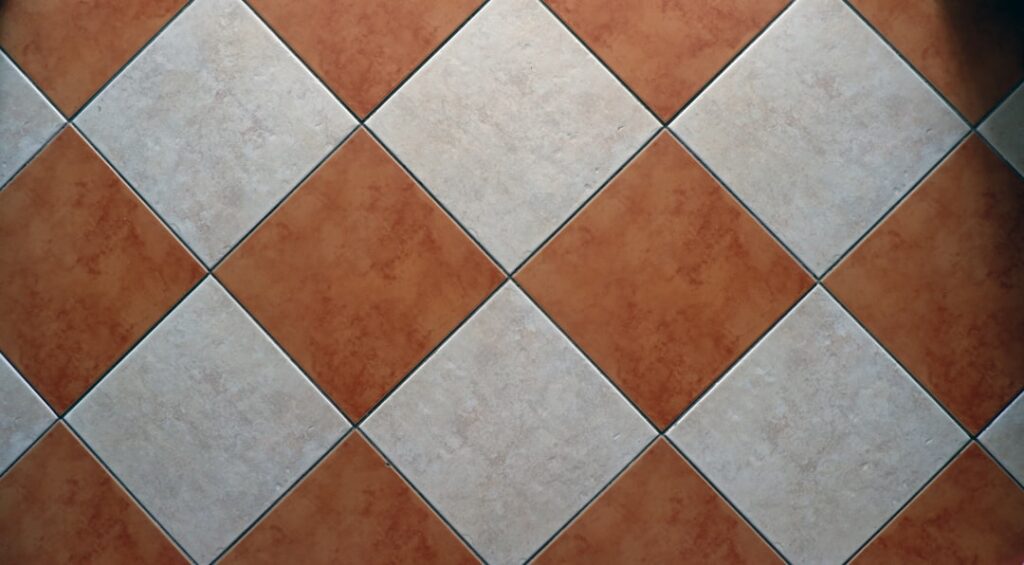
The amount of contrast you create is a deliberate design choice. With white tile, a light grey grout gives a soft, defined grid that highlights the pattern without screaming for attention. That is why it dominates herringbone and stacked subway layouts. With grey or marble-look tile, matching the grout closely produces a seamless, expensive-looking expanse, ideal for large-format floors.
For wood-look plank tile, a warm light grey hides the natural variation between planks and keeps the eye moving across the floor instead of stopping at each joint. Avoid using a stark contrast on busy patterned tile, since competing lines can look chaotic.
Sealing and Long-Term Protection
Most light grey grout is cement-based and therefore porous, which means it absorbs liquids and stains if left unsealed. Plan to apply a penetrating sealer 48 to 72 hours after installation, once the grout has fully cured. A quality sealer should be reapplied every one to two years in wet areas like showers.
If you want to skip sealing entirely, consider epoxy grout. It is non-porous, stain-resistant, and color-stable, making it excellent for backsplashes and shower floors. The trade-offs are a higher cost, roughly two to four times that of cement grout, and a faster, less forgiving installation that many homeowners leave to a pro.
Cleaning and Maintenance
One of the biggest advantages of light grey is how well it disguises daily grime, but it still needs routine care to stay looking fresh. For weekly upkeep, a soft brush and a pH-neutral cleaner are all you need. Skip bleach and harsh acids on cement grout because they erode the surface and can actually lighten or discolor the joints over time.
- Mix warm water with a few drops of dish soap or a dedicated grout cleaner.
- Scrub gently with a nylon brush, working in small sections.
- Rinse with clean water and wipe dry to prevent residue buildup.
- For stubborn spots, make a paste of baking soda and water, let it sit 10 minutes, then scrub.
If grout has dulled or stained badly over the years, a grout colorant or refresh product can restore a uniform light grey without the labor of removing and replacing it.
Common Mistakes to Avoid
Inconsistent mixing is the number one cause of blotchy results. If you add different amounts of water to each batch, the cured color will vary from one section to the next. Measure your water precisely and mix to the same consistency every time. Wiping too aggressively while the grout is still soft pulls pigment out of the joints and leaves pale streaks.
Another frequent error is leaving grout haze on the tile face. Buff it off with a dry microfiber cloth within a few hours of installation, before it hardens into a stubborn film. Finally, do not rush the cure. Walking on or wetting a floor too soon weakens the joints and invites cracking.
Light Grey Grout in Different Rooms
Where you use light grey grout changes how it performs and how it should be specified. In a kitchen backsplash, the grout sits above the counter and away from standing water, so a standard cement grout with a good sealer is usually plenty. The light grey hides cooking splatter and the faint grease film that white grout shows within months, which is why it is such a reliable backsplash choice.
Bathroom floors and shower walls are a different story. Constant moisture, soap, and shampoo break down sealers faster and invite mildew in porous joints. For showers, many contractors recommend epoxy or a high-performance grout in a light grey shade, since it shrugs off moisture and stays color-stable. On entryway and mudroom floors, light grey is forgiving of tracked-in dirt, and a wider grout joint can actually look intentional and rustic with handmade or textured tile.
Grout Joint Width and Color Perception
The width of your grout line affects how strongly the grey reads. A tight 1/16-inch joint with rectified tile shows only a whisper of grey, keeping the focus on the tile itself. A wider 1/4-inch or 3/8-inch joint, common with handmade or rustic tile, makes the grey a more prominent design element, so the exact shade matters more.
Lighting plays a role too. Cool LED lighting can make a light grey look almost blue, while warm incandescent bulbs pull out any beige undertone. Whenever possible, look at your cured grout sample under the same lighting the finished room will have, at different times of day, before you commit to a final color.
Final Thoughts
Choosing light grey grout is one of the easiest ways to get a polished, low-maintenance tile installation that ages gracefully. Test your shade against the real tile, seal cement-based grout promptly, and stick to gentle cleaning to keep it looking sharp for years. Get those fundamentals right and your tile will look professionally finished long after the project is done.