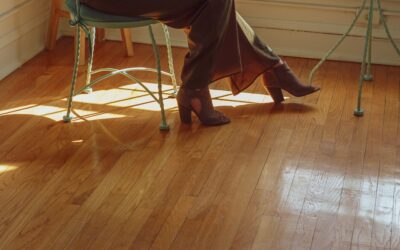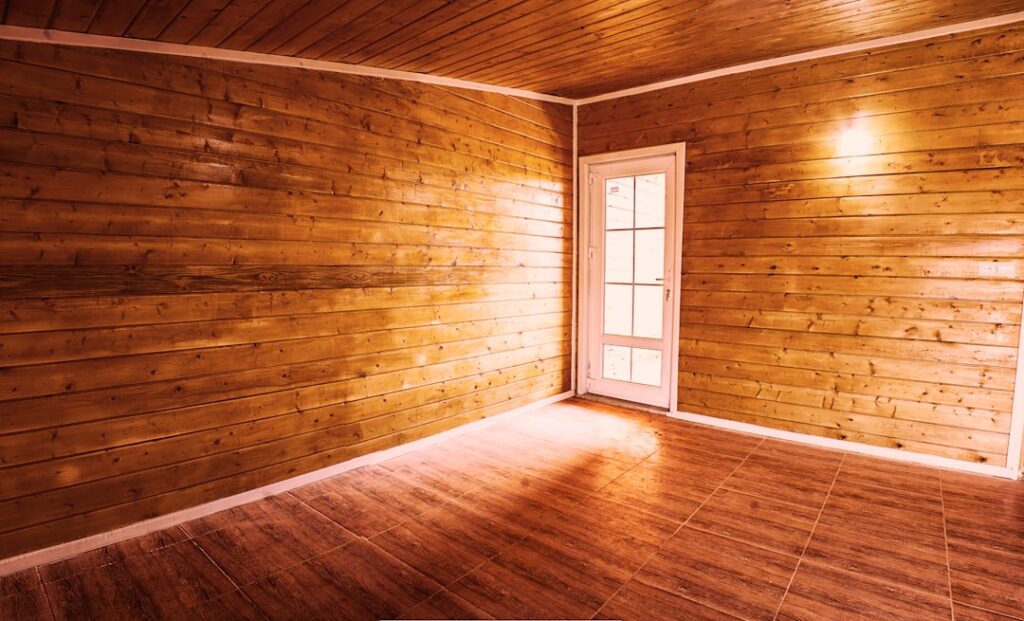
Light oak flooring has become one of the most sought-after choices in modern home design. Its warm, natural tones brighten any room while offering the timeless appeal of real wood. Whether you’re building new or renovating, this 2026 guide covers every angle—from species selection and finish options to cost breakdowns and maintenance tips.
Why Choose Light Oak Flooring?
Light oak has dominated interior design trends for several years, and 2026 is no different. Here’s why designers and homeowners continue to choose it:
- Brightens Spaces: Light tones reflect natural light, making rooms appear larger and more open—perfect for small entryways and compact floor plans.
- Versatile Aesthetic: Works equally well in Scandinavian minimalist, farmhouse, coastal, and contemporary interiors.
- Hides Dust & Scratches: Light finishes are more forgiving than dark stains when it comes to showing everyday wear, pet hair, and fine dust.
- Timeless Value: Unlike trendy gray or whitewashed floors, natural light oak has remained in style for decades and adds lasting resale value.
- Pairs with Everything: From white cabinetry to bold accent walls, light oak provides a neutral canvas that complements almost any color palette.
Types of Light Oak Flooring
| Type | Construction | Thickness | Best For | Price (per sq ft) |
|---|---|---|---|---|
| Solid Oak | 100% hardwood, single piece | 3/4″ | Main floors, long-term homes | $5.00 – $12.00 |
| Engineered Oak | Real oak veneer over plywood core | 3/8″ – 3/4″ | Basements, over radiant heat | $4.00 – $10.00 |
| Oak-Look LVP | Vinyl plank with oak print layer | 4 – 8 mm | Kitchens, bathrooms, rentals | $2.00 – $5.00 |
| Oak-Look Laminate | HDF core with oak photo layer | 7 – 12 mm | Bedrooms, living rooms, budget projects | $1.50 – $4.00 |
Oak Species Compared
Not all oak is the same. The two primary species used in flooring have distinct characteristics:
| Feature | White Oak | Red Oak |
|---|---|---|
| Janka Hardness | 1,360 lbf | 1,290 lbf |
| Grain Pattern | Tighter, more subtle | More prominent, cathedral pattern |
| Natural Color | Honey to light brown with gray undertones | Pinkish to light brown with warm undertones |
| Water Resistance | Higher (closed cell structure) | Lower (open pores) |
| Stain Acceptance | Takes light stains beautifully | Can show blotchiness with very light stains |
| 2026 Popularity | Very high – top trending species | Moderate – classic but less trendy |
White oak is the preferred species for achieving that coveted light, European-style look. Its tighter grain and natural gray undertones lend themselves perfectly to natural, matte, and wire-brushed finishes.
Popular Finishes for Light Oak
Natural / Clear Coat
Preserves the oak’s raw color with a transparent protective layer. Available in matte, satin, or semi-gloss sheens. This is the most popular finish for light oak in 2026.
Wire-Brushed
A textured finish that removes softer wood fibers, enhancing the grain pattern. It adds character and helps hide minor scratches—ideal for high-traffic areas and homes with pets.
Matte / Ultra-Matte
Zero-shine finishes that give floors a raw, unfinished look while still providing full protection. This finish dominates Scandinavian and modern design styles.
UV-Oiled
A penetrating oil finish hardened with UV light at the factory. It nourishes the wood while allowing the natural texture to show through. Requires periodic re-oiling but delivers an authentically natural appearance.
Whitewashed / Limed
A subtle white pigment is applied to lighten the wood further while allowing the grain to show through. Creates a beachy, coastal aesthetic that pairs beautifully with blue and green accents.
Plank Widths & Lengths
Plank dimensions dramatically affect the final look of your light oak floor:
| Width Category | Dimensions | Visual Effect | Best For |
|---|---|---|---|
| Narrow Strip | 2-1/4″ – 3″ | Traditional, formal | Classic homes, small rooms |
| Standard Plank | 4″ – 5″ | Balanced, versatile | Most residential applications |
| Wide Plank | 6″ – 8″ | Open, modern, fewer seams | Open floor plans, contemporary design |
| Extra-Wide Plank | 9″ – 12″ | Dramatic, statement-making | Luxury homes, commercial spaces |
In 2026, wide and extra-wide planks continue to trend. Longer boards (up to 7 feet) further reduce visual seams and create a more expansive feel.
Room Design Ideas with Light Oak Flooring
Scandinavian Minimalism
Pair ultra-matte light oak with white walls, simple furniture, and natural textiles. The result is a clean, calming space that feels effortlessly chic.
Modern Farmhouse
Combine wire-brushed light oak with shiplap accent walls, black hardware, and warm neutrals for that perfect blend of rustic and refined.
Coastal Living
Use whitewashed oak flooring with light blue accents, rattan furniture, and plenty of natural light. The combination evokes a relaxed beachside atmosphere.
Contemporary Open Plan
Extra-wide light oak planks running continuously through living, dining, and kitchen areas create visual flow. Keep walls and cabinetry neutral to let the floor anchor the space.
Small Entryway Makeover
Light oak instantly opens up tight entry spaces. Add a bench, hooks, and a runner to create a functional yet stylish welcome area. See our full collection of small entryway ideas for more inspiration.
Cost Guide
| Component | Budget | Mid-Range | Premium |
|---|---|---|---|
| Materials (per sq ft) | $3.00 – $5.00 | $5.00 – $8.00 | $8.00 – $14.00 |
| Installation (per sq ft) | $2.00 – $3.00 | $3.00 – $5.00 | $5.00 – $8.00 |
| Finishing (if unfinished) | $1.50 – $2.50 | $2.50 – $4.00 | $4.00 – $6.00 |
| Total for 1,000 sq ft | $5,000 – $8,000 | $8,000 – $13,000 | $13,000 – $22,000+ |
Pre-finished engineered oak offers the best balance of cost, quality, and convenience for most homeowners. If you’re working with a tighter budget, oak-look PVC flooring sheet or laminate can replicate the appearance at a fraction of the price.
Installation Methods
- Nail-Down: Traditional method for solid oak over wood subfloors. Requires a pneumatic flooring nailer.
- Glue-Down: Common for engineered oak, especially over concrete slabs. Provides a stable, quiet floor.
- Floating: Click-lock engineered planks that are not attached to the subfloor. Fastest installation method and suitable for DIY.
- Staple-Down: An alternative to nailing, often used for thinner engineered products over plywood subfloors.
Regardless of method, ensure your subfloor is level (within 3/16″ per 10 feet), dry, and clean. Use a moisture meter to test—concrete subfloors should read below 3 lbs per 1,000 sq ft on a calcium chloride test. A dehumidifier can help manage ambient moisture levels during and after installation.
Cleaning & Maintenance
- Daily: Sweep with a microfiber dust mop or vacuum with a hard-floor setting (beater bar off).
- Weekly: Damp mop with a hardwood-safe cleaner. Avoid excess water, vinegar, and steam mops.
- Preventive: Use felt pads under furniture legs, area rugs in high-traffic zones, and doormats at entries.
- Periodic: Refinish solid oak every 7–10 years. Re-oil UV-oiled floors every 1–2 years. Engineered oak with a thick veneer (4mm+) can be refinished 2–3 times.
Light Oak vs. Dark Oak Flooring
| Factor | Light Oak | Dark Oak |
|---|---|---|
| Room Effect | Opens up space, feels airy | Creates warmth, feels cozy |
| Dust & Scratches | Less visible | More visible |
| Style Trend (2026) | Peak popularity | Declining but still classic |
| Resale Appeal | Broadly appealing | Divisive—some buyers prefer lighter |
| Maintenance | Easier to maintain appearance | Requires more frequent cleaning |
| Best Paired With | White, gray, pastels, natural tones | Cream, gold, warm neutrals, bold colors |
Frequently Asked Questions
Is light oak flooring good for kitchens?
Engineered light oak and oak-look LVP are excellent for kitchens. Solid oak can work but is more susceptible to water damage around sinks and dishwashers. Always wipe up spills promptly regardless of the product type.
Does light oak flooring turn yellow over time?
Some polyurethane finishes can amber slightly with age, especially oil-modified formulas. To maintain a true light tone, choose water-based polyurethane or UV-oiled finishes, and protect floors from prolonged direct sunlight with window treatments.
Can I install light oak flooring over radiant heat?
Yes, engineered light oak is compatible with radiant heating systems. Solid oak is generally not recommended because it is more prone to expansion and contraction with temperature changes. Always check the manufacturer’s specifications.
What wall colors go best with light oak floors?
White, soft gray, pale blue, sage green, and warm cream all complement light oak beautifully. Avoid orange or heavily yellow tones, which can clash with the floor’s undertones.
How durable is light oak flooring with pets?
Oak is a moderately hard wood (Janka 1,290–1,360 lbf). Wire-brushed and textured finishes hide pet scratches better than smooth, high-gloss surfaces. Keep nails trimmed, use area rugs in play zones, and clean up accidents quickly to protect the finish.
Is light oak flooring more expensive than dark oak?
The species cost is the same—the difference lies in the finish. Light, natural finishes are generally the standard option, while dark stains add a finishing step that can increase cost by $0.50–$2.00 per square foot.
Last updated: March 2026
Prefer to explore on your own?
See how new flooring looks in your actual room in seconds — free, no signup.
Try the free Floor Studio →