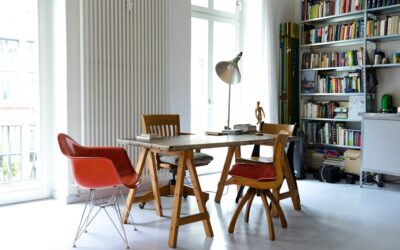
Genuine American walnut runs from chocolate to honey across a single tree, and the lighter sapwood that mills traditionally separated out is now the foundation of the trendiest flooring color of the past five years. Light walnut flooring blends the warmth of natural walnut with the airy feel of a Scandinavian interior, and the look has overtaken dark espresso as the go-to choice in upscale residential design. The category includes true walnut sapwood, color-toned engineered walnut, and lookalikes built from white oak or maple. Each option behaves differently, costs differently, and ages on its own timeline.
- What Counts as Light Walnut
- Why Light Walnut Has Taken Over
- Pros of the Lighter Tone
- Cons and Honest Trade-Offs
- Solid, Engineered, and Wide-Plank Options
- Finish Options That Preserve the Light Look
- Best Rooms for Light Walnut
- Cost Breakdown for a Real Project
- Long-Term Care
- How It Compares to White Oak
- Frequently Asked Questions
What Counts as Light Walnut
True light walnut comes from the sapwood section of the American black walnut tree. The wood ranges from blonde to pale tan with the same fine grain pattern as darker walnut. Most flooring mills used to discard or downgrade sapwood, but current demand has flipped that, with sap-on-edge and full-sap walnut commanding premium prices.
Color-toned walnut is heartwood walnut bleached or whitewashed to lighten the natural chocolate. The result keeps walnut’s grain character but reads cooler and lighter, similar to French oak. Both versions cost $7 to $14 per square foot for the material, while lookalikes built from white oak or maple run $4 to $8.
Why Light Walnut Has Taken Over
The shift from dark to light flooring tracks the broader move toward open-plan rooms, big windows, and lighter cabinet colors. Light walnut flooring brightens spaces, makes rooms feel larger, and pairs with white, cream, and warm gray walls. Designers love it because it ties a room together without dominating the visual field.
The color also hides dust and pet hair better than dark floors. Where dark walnut shows every speck, light walnut blends the small debris until you sweep. Real-world cleaning frequency drops from daily to every 2 or 3 days for most households.
Pros of the Lighter Tone
A pale walnut floor photographs beautifully, which matters for resale, real estate listings, and Instagram-driven design choices. Buyers walking through homes in 2025 and 2026 respond well to the look, and listing agents report measurable interest from photos featuring light walnut floors.
The wood itself remains real walnut, with the same dimensional stability and fine grain. You get all the technical benefits of walnut, including good radial expansion behavior and excellent finish acceptance, without the visual heaviness of dark heartwood.
Cons and Honest Trade-Offs
Walnut hardness is unchanged regardless of color. The Janka rating sits at 1010, lower than red oak (1290) and well below hickory (1820). Pets, dropped tools, and rolling chairs leave marks more easily than they would on harder species. A factory aluminum oxide finish slows visible wear but cannot make the wood itself denser.
Color matching during repairs is harder for light walnut than darker stains. The natural blonde tone shows variation between batches, and replacement planks five years later may not perfectly match the existing floor. Buy 10 to 15 percent extra at install for future repairs.
Solid, Engineered, and Wide-Plank Options
Light walnut sells primarily as engineered hardwood, with 4mm to 6mm wear layers and plank widths from 5 to 9 inches. Wide plank engineered walnut is the design favorite and runs $9 to $16 per square foot installed.
Solid 3/4 inch light walnut exists but is harder to find. Mills like Carlisle, Hull Forest Products, and Hallmark Floors offer solid sapwood walnut in custom orders. Engineered remains the smarter choice for most installations because the layered construction handles seasonal humidity better than solid wide planks.
Finish Options That Preserve the Light Look
Waterborne polyurethane is the right finish for these blonde planks because it does not yellow over time the way oil-modified poly does. Bona Traffic HD, Loba 2K Invisible Protect, and Pallmann Pall-X 333 all preserve the cool blonde tone for 10 to 15 years.
Hardwax oil finishes from Rubio Monocoat (Pure or Smoke 5%) and Pallmann Magic Oil deliver a natural matte appearance that designers prefer. The trade-off is more frequent maintenance, with light recoats every 2 to 4 years versus 7 to 10 for waterborne poly. UV-cured factory finishes last longest and dominate the prefinished market.
Best Rooms for Light Walnut
The look excels in living rooms, kitchens, dining rooms, and primary bedrooms where natural light enters from windows. Open-plan main floors particularly benefit because the light tone unifies the space without breaking it up visually.
For small rooms or low-ceiling spaces, light walnut visually expands the area. North-facing rooms with limited daylight stay warmer-feeling with light walnut than with cool gray flooring. Avoid in workshops, mudrooms, and high-soil entry areas where the lighter color shows tracked dirt sooner than darker species would.
Cost Breakdown for a Real Project
For a 600 square foot living and dining room, expect material costs of $3,000 to $9,000 for engineered light walnut depending on plank width and brand. Installation labor adds $3 to $6 per square foot, finishing materials $0.50 to $1.50, and transition trim $200 to $400.
A reasonable turnkey budget for that 600 square feet is $7,000 to $14,000. Wide-plank premium engineered options like Mirage Sweet Memories or Lauzon Pure Genius push toward the upper end of that range, while basic engineered walnut from Bruce or Mannington stays at the lower end.
Long-Term Care
Sweep or vacuum every 2 to 3 days in active households. Use a microfiber mop with a pH-neutral hardwood cleaner like Bona Pro or Loba CleanFix. Avoid vinegar, ammonia, oil soaps, and steam mops, all of which damage walnut finishes regardless of color.
Felt pads on furniture, walk-off mats at entries, and area rugs in heavy traffic zones extend the floor’s life by years. Plan a screen-and-recoat at year 8 to 12 for site-finished floors. UV-cured factory finishes typically last 15 to 20 years before needing recoat or refinish.
How It Compares to White Oak
White oak with a natural or whitewashed finish is the most common alternative to light walnut flooring and costs about 20 to 30 percent less. The grain is more pronounced, the hardness is much higher (1360 Janka), and the look is slightly more rustic.
True walnut shows finer, smoother grain that reads more refined in formal rooms, while white oak feels at home in farmhouse and transitional spaces. For most buyers, the choice comes down to budget and grain preference rather than performance.
Frequently Asked Questions
Will a pale walnut floor darken over time?
Yes, slightly. UV exposure deepens the honey tone over 5 to 10 years, especially in sun-drenched rooms. The change is subtle and most homeowners welcome the warmer mature color.
Is light walnut harder than dark walnut?
No. Both come from the same species and share identical hardness and dimensional properties. The color difference is purely aesthetic.
Does light walnut work with white kitchen cabinets?
Yes, exceptionally well. The combination of light walnut floors and white or cream cabinets is one of the most popular kitchen design choices of the current decade.
What is the cheapest way to get the light walnut look?
Whitewashed white oak engineered flooring delivers a similar visual at $4 to $7 per square foot, about half the cost of true light walnut. The grain is more open, but most homeowners cannot tell the difference at glance.
Prefer to explore on your own?
See how new flooring looks in your actual room in seconds — free, no signup.
Try the free Floor Studio →