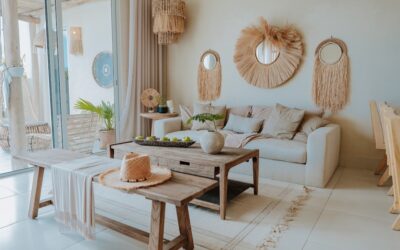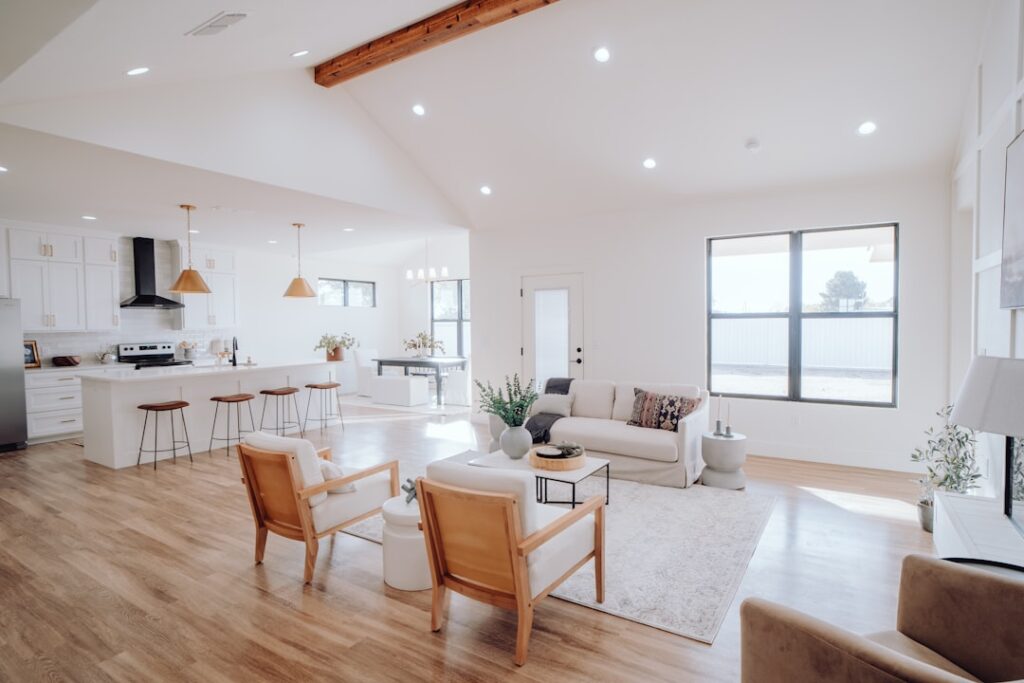
That soft, sun-bleached, driftwood look on so many coastal and Scandinavian interiors usually comes down to one finish. Lime wash flooring, also called limewashed, whitewashed, or pickled wood, lightens timber to a chalky, muted tone while letting the grain show through. It is a finish as much as a flooring type, and getting it right depends on the wood species, the products you use, and the technique. This guide explains how it is achieved, the looks it creates, the pros and cons, and how to care for it.
What Lime Wash Flooring Actually Is
Lime wash is a technique for lightening and softening the colour of a wood floor while preserving its natural grain. Traditional limewashing used a slaked-lime solution that left white pigment in the grain. Today the same effect is achieved with a range of products: white-tinted hardwax oils, pickling stains, lime-effect oils, and white-washed finishes that deposit pale pigment into the timber’s pores.
The result is a floor that reads as light, weathered, and natural rather than glossy or heavily stained. The grain remains visible, which is what gives the finish its characteristic depth.
The Look It Creates
Limewashing produces a relaxed, airy aesthetic that suits several popular styles.
- Scandinavian: pale, matte floors that bounce light around minimalist rooms.
- Coastal: driftwood and bleached tones that evoke beach houses.
- Rustic and country: a soft, aged patina over wide-plank or reclaimed timber.
- Modern farmhouse: muted, low-sheen floors that pair with neutral palettes.
Because the finish lightens the floor, it makes rooms feel larger and brighter, which is part of why it became so popular in smaller and north-facing spaces.
Best Wood Species for Lime Wash
The species makes a big difference because limewash settles into open grain. Oak is the classic choice, its prominent grain takes the white pigment beautifully and creates strong contrast. Ash and other open-grained hardwoods also respond well. Tight-grained or very pale woods like maple show less of the limed effect, while species with strong natural colour may need more work to read as truly washed.
Always test your chosen product on an offcut or a hidden area first, since the same finish looks different on different timbers.
How It Is Applied
Application varies by product, but the general process follows familiar steps. Whether you use a pickling stain, white hardwax oil, or a lime-effect oil, preparation is everything.
- Sand the floor smooth and clean to bare wood; the finish needs to penetrate the grain.
- Optionally open the grain with a wire brush for a stronger limed effect on oak.
- Apply the white-tinted oil or pickling product evenly with a cloth, brush, or applicator.
- Wipe back the excess to control how much pigment stays in the grain and on the surface.
- Let it dry, then seal with a clear matte hardwax oil or appropriate topcoat for protection.
Achieving an even result over a whole floor takes practice, so larger projects often warrant a professional finisher experienced with white and pickled finishes.
Pros and Cons
Lime wash brings a distinctive look, but it has practical trade-offs to consider.
- Pros: brightens rooms, hides minor wear and dust better than dark floors, highlights natural grain, and suits several timeless interior styles.
- Cons: can be tricky to apply evenly, may require a wire-brushed grain for full effect, needs the right species to look its best, and the pale tone shows certain stains and water marks if left unsealed.
It is also worth noting that a pale, low-sheen finish can need re-oiling over time to keep its protection, much like other oiled floors.
Lime Wash vs. Other Light Finishes
People often confuse limewash with bleaching and natural finishes, but they differ. Bleaching chemically removes colour from the wood itself, producing a very pale result without added pigment. A natural oil keeps the timber’s true tone, which on oak is golden, not white. Lime wash sits between them, adding white pigment into the grain to create that chalky, weathered look while keeping the grain visible. Choose based on whether you want the wood lightened, pigmented, or left natural.
Caring for a Limewashed Floor
Maintenance is similar to other oiled wood floors. Sweep or vacuum regularly to remove grit, clean with a product made for oiled floors, and avoid harsh chemicals and excess water. Wipe spills promptly, since the pale finish can show marks. Periodically refresh the protective oil layer according to the product’s guidance to keep the floor resilient and looking fresh. With sensible care, a limewashed floor ages gracefully, often improving as it develops a gentle patina.
DIY vs. Hiring a Professional
Limewashing sits in an awkward middle ground for DIYers. The individual steps, sanding, brushing, applying, and wiping back, are not technically difficult, but achieving a consistent result across an entire floor is genuinely hard. The pickling stain or white oil must go on evenly and be wiped back at the same rate everywhere, or you end up with blotchy patches and lap marks where applications overlapped.
A small room or a confident, patient hobbyist can absolutely tackle it, especially after practising on offcuts. For large open-plan areas, expensive timber, or anyone unsure of their technique, a professional floor finisher who regularly does white and pickled finishes is money well spent. They will get the grain preparation, pigment balance, and sealing right the first time, which protects your investment in the floor.
Costs and What to Expect
Because limewashing is a finishing process rather than a flooring product, the cost depends heavily on whether you are finishing a new floor or refinishing an existing one. New work means buying the timber plus the lime-effect products and sealer, while refinishing an existing floor adds the labour of sanding back to bare wood first. Professional application costs more than DIY but delivers a more reliable, even result.
Either way, budget for quality products: a good white hardwax oil or pickling stain and a durable matte topcoat are what give the finish both its look and its longevity. Skimping on the sealer is a false economy, since the protective layer is what stops the pale surface from staining and wearing prematurely. Factor in re-oiling every few years as part of the long-term cost of ownership.
Final Thoughts
Lime wash flooring is a finish, not a product, and it delivers a bright, weathered, grain-rich look that defines coastal and Scandinavian interiors. Success depends on choosing an open-grained species like oak, testing your product first, applying it evenly, and sealing it well. Decide honestly whether the job suits DIY or a professional, invest in quality oils and topcoats, and keep up the periodic re-oiling. If you love the soft, sun-bleached aesthetic and are prepared to maintain an oiled finish, limewashing can transform a plain timber floor into the centrepiece of a light, airy room.
Prefer to explore on your own?
See how new flooring looks in your actual room in seconds — free, no signup.
Try the free Floor Studio →