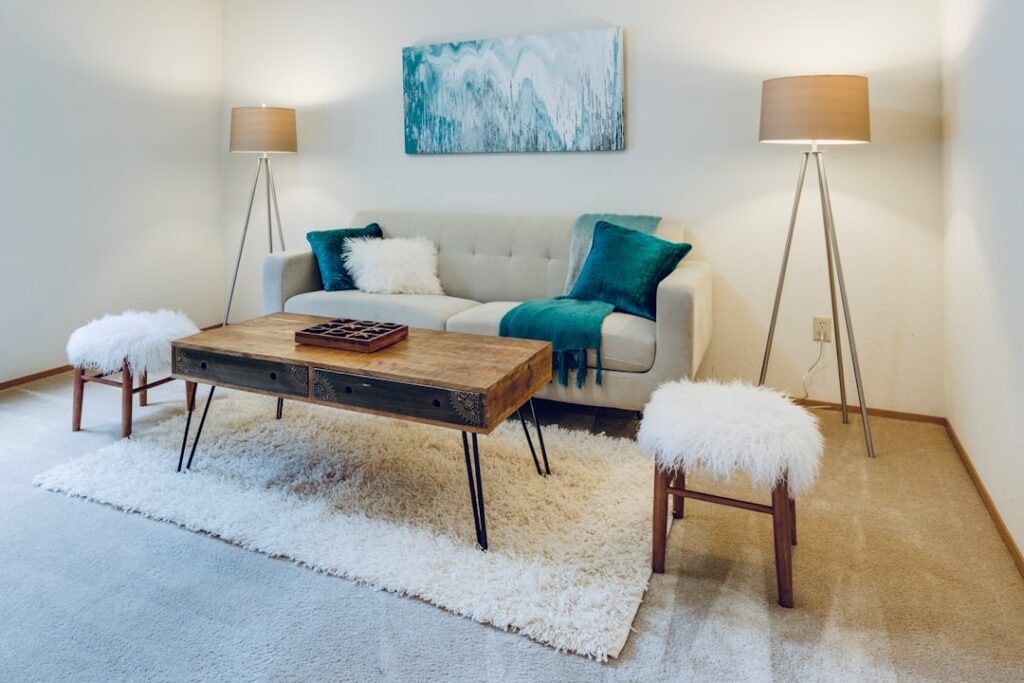
The living room is the hardest-working room in most homes, and the floor sets the tone for everything else you put in it. When homeowners come to me searching for living room flooring ideas pictures can only take you so far, because a photograph never shows you how a floor feels underfoot, how it handles a dropped toy, or how it looks after five years of foot traffic. My goal here is to translate the pretty images into practical decisions you can actually live with, so the floor you fall in love with online is the one you still love a decade from now.
Over years of installing and specifying floors, I have learned that the best living room floor is a balance of three things: the look you want, the wear you will subject it to, and the budget you can commit. Get those three in alignment and the design almost takes care of itself. Below I walk through the materials, colors, layouts, and finishing touches that consistently produce living rooms people are proud of.
Start With How You Actually Live
Before you chase a specific plank color or tile pattern, take an honest inventory of your household. A living room that hosts two adults and a cat has completely different demands than one that absorbs three kids, a large dog, and weekend gatherings. High-traffic households benefit from harder, more scratch-resistant surfaces and forgiving mid-tone colors that hide dust and pet hair between cleanings. Quieter homes can lean into softer surfaces and lighter or darker extremes that show more but reward you with drama.
Think about connected spaces, too. Most modern living rooms flow into a hallway, dining area, or open kitchen. If your floor runs continuously into those zones, choose a material rated for the busiest of them. I often steer clients toward one material carried through the whole main level because it visually enlarges the home and eliminates awkward transition strips at every doorway. That single decision does more for the sense of space than any furniture arrangement.
Finally, consider comfort and sound. Living rooms are where people sit for hours, so acoustics and warmth matter. Hard surfaces echo, which is why rugs are almost mandatory over tile or bare wood. If your living room sits over a basement or on a slab, a floor with a good underlayment noticeably softens the room and keeps it warmer in winter.
Hardwood: The Timeless Benchmark
Solid and engineered hardwood remain the gold standard for living rooms, and for good reason. Wood adds genuine resale value, ages gracefully, and can be refinished to erase years of wear. In the pictures that stop people scrolling, wide-plank oak in a natural or lightly whitewashed finish is the runaway favorite right now. Those five- to seven-inch planks read as calm and contemporary, and the muted grain hides minor scuffs beautifully.
If you love the look of dark walnut or espresso floors from magazine photos, know that they are stunning but demanding. Deep tones show every speck of dust and every pet-nail scratch, so budget for frequent dry-mopping. Engineered hardwood is my usual recommendation for living rooms because its plywood core is more dimensionally stable than solid wood, meaning fewer gaps and cupping when humidity swings. You still get a real wood wear layer you can sand at least once or twice.
Luxury Vinyl and Laminate: The Practical Favorites
For families who want the wood look without the worry, luxury vinyl plank has become the most requested product in my showroom. Modern LVP mimics oak, hickory, and even reclaimed barnwood convincingly, and the best rigid-core versions are waterproof, dent-resistant, and comfortable underfoot. In living rooms with kids and pets, this is the floor that keeps looking good with the least babysitting. Expect to pay roughly three to seven dollars per square foot for quality material.
Laminate deserves a second look, too. Today’s high-definition laminates have textured surfaces that align with the printed grain, so they feel remarkably real. Laminate is harder and more scratch-resistant on its surface than vinyl, though it is less forgiving of standing water. For a living room that stays dry, a good AC4-rated laminate delivers a premium look for two to five dollars per square foot, which leaves more of your budget for furniture and lighting.
Tile and Stone for a Bold Statement
Tile is not the first thing people picture in a living room, but large-format porcelain has changed the conversation. Twenty-four by forty-eight inch tiles with minimal grout lines create a seamless, gallery-like floor that pairs beautifully with modern architecture and radiant heat. In warm climates, tile keeps living rooms cool and shrugs off sand, mud, and spills. The trade-off is hardness and coldness, which you soften with layered area rugs.
Wood-look porcelain planks bridge the gap nicely, giving you the visual warmth of timber with the bulletproof durability of ceramic. I have installed these in lake houses and busy family rooms where nothing else would survive. If you crave real natural stone, travertine and slate bring texture and an organic, grounded feeling, but they need periodic sealing and a bigger installation budget.
Choosing Color and Plank Direction
Color is where most of those inspiring pictures earn their appeal, and the rule I share most often is this: match your floor tone to your wall and light situation, not to a trend. In rooms with limited natural light, lighter floors bounce brightness around and make the space feel open. In bright, sun-filled rooms, you can afford richer mid-browns and grays that add coziness without feeling like a cave.
Plank direction is a subtle but powerful lever. Running boards parallel to the longest wall stretches a room lengthwise, while running them toward the main window draws the eye outward and follows the natural light. In open-concept homes, pick one consistent direction across the whole floor so the eye reads it as a single continuous plane. These small choices are exactly what separate a professionally designed living room from a merely nice one.
Layering Rugs and Transitions
No matter which hard surface you choose, an area rug is what turns a floor into a living room. The rug defines the seating zone, adds warmth and sound absorption, and injects color you can change out seasonally. My guideline is to size the rug so the front legs of every major seating piece rest on it; a rug that is too small makes the whole room feel unmoored. For a standard sofa-and-two-chairs arrangement, that usually means an eight-by-ten or nine-by-twelve.
Where your living room floor meets other flooring, plan the transition intentionally. A clean flush transition or a slim T-molding in a matching tone looks deliberate, while a mismatched threshold strip screams afterthought. If you are combining materials, repeat a color or undertone across the boundary so the change feels designed rather than accidental.
Budgeting and Installation Realities
The pictures rarely mention money, but it drives every real project. As a rough planning figure, budget total installed costs of two to four dollars per square foot for laminate, four to eight for luxury vinyl, and eight to fifteen or more for hardwood and porcelain tile. Add ten percent material overage for cuts and future repairs, and always keep a few extra boxes stored flat in a closet for the inevitable damaged board down the road.
Installation quality matters as much as the product. A gorgeous floor laid over an unlevel or poorly prepped subfloor will telegraph every flaw and may fail early. Acclimate wood and laminate in the room for several days before install, confirm the subfloor is flat within an eighth of an inch over ten feet, and use the underlayment the manufacturer specifies. Do those things and the living room in your inspiration photos becomes the living room you walk into every day.
Bringing Your Vision Together
The best way to use all those saved images is to look past the styling and identify the common threads: the wood tone that keeps reappearing, the plank width you gravitate toward, the amount of grain you find calming. Order physical samples of your top three choices and live with them in your own light for a week before committing. Floors are one of the few design elements you will not swap out on a whim, so a deliberate, well-informed choice pays dividends for many years.
Prefer to explore on your own?
See how new flooring looks in your actual room in seconds — free, no signup.
Try the free Floor Studio →