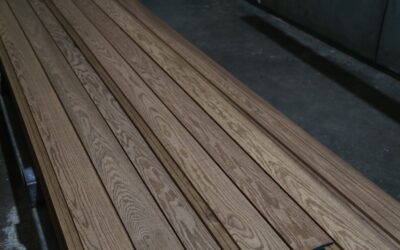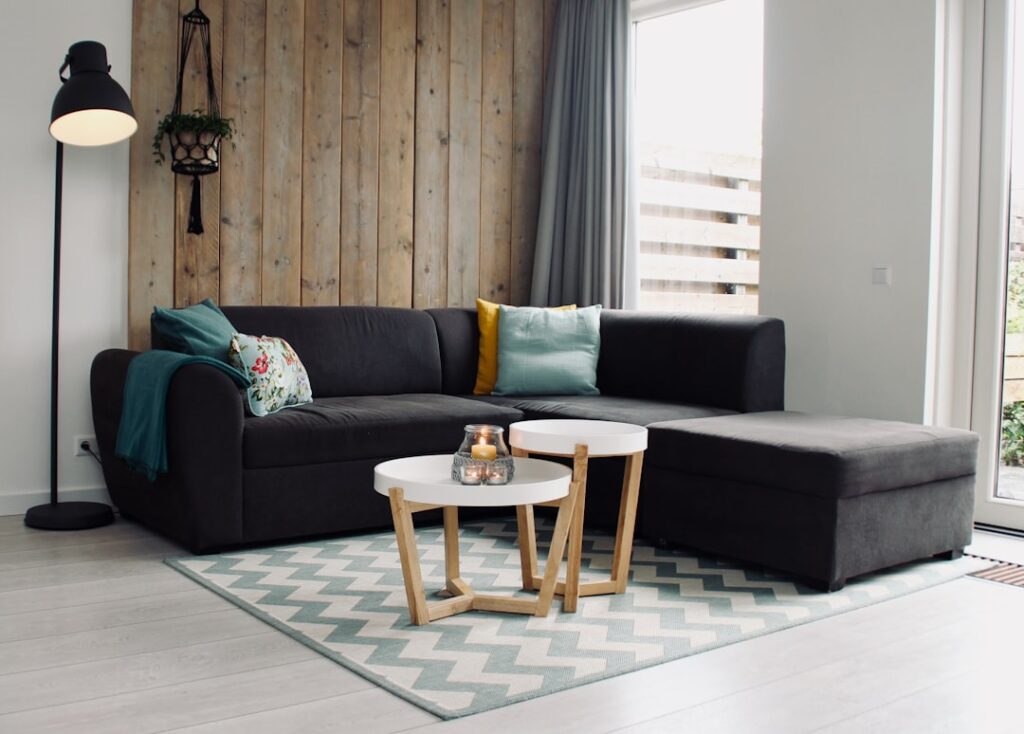
The living room is where your family actually lives, which means the floor takes a beating from foot traffic, furniture, pets, and the occasional spilled drink during movie night. Living room vinyl flooring has become the default recommendation for exactly this room because modern luxury vinyl plank looks convincingly like hardwood, feels warmer and quieter underfoot than tile, and shrugs off the wear that would scuff a real wood floor. Before you buy, here is what separates a great living room vinyl from a disappointing one.
Why Vinyl Works So Well in a Living Room
A living room asks a floor to be three things at once: good-looking, comfortable, and durable. Vinyl delivers on all three. Today’s luxury vinyl plank (LVP) uses high-resolution printed layers under a clear wear layer, so it reproduces oak grain, hand-scraped texture, and even wide-plank barnwood looks that fool most guests. That surface sits over a rigid or cushioned core that feels softer and warmer on bare feet than porcelain tile.
Just as important, vinyl is quiet. A good underlayment or an attached pad dampens footsteps and echo, which matters in a room built for conversation and television. And because the wear layer resists scratches and dents, the floor stays looking fresh even under a coffee table that gets shoved around and kids who play on the floor daily.
The Types of Vinyl to Consider
Not all vinyl is the same, and the construction you choose affects comfort, durability, and price.
- SPC (stone-plastic composite): a rigid, dense core that resists dents and hides minor subfloor imperfections. The most popular living-room choice.
- WPC (wood-plastic composite): a slightly softer, warmer rigid core that feels cushier underfoot.
- Glue-down LVP: thin planks adhered to the subfloor, very stable and quiet but demanding a flat surface.
- Sheet vinyl: the budget option, seamless and waterproof but with a less premium look.
For most living rooms, a click-together SPC or WPC plank with a wear layer of at least 12 mil, and 20 mil in a busy home, hits the sweet spot of looks, comfort, and durability.
What Living Room Vinyl Costs
Vinyl spans a wide price range, which is part of its appeal. Budget LVP starts around $2 per square foot, mid-range rigid-core planks run $3 to $5, and premium wide-plank or extra-thick products reach $6 to $8 per square foot. Professional installation typically adds $1.50 to $4 per square foot.
For an average 300-square-foot living room, that puts materials somewhere between $600 and $2,400, with installed totals ranging from roughly $1,000 to $3,500 depending on the product and whether you DIY. The click-lock systems are genuinely DIY-friendly, so many homeowners skip the labor cost entirely and finish a living room over a weekend.
The Pros
Vinyl’s advantages line up neatly with living-room priorities. It is highly durable, with a wear layer that resists the scratches from pet claws and furniture that plague hardwood. It is water-resistant to waterproof, so a knocked-over glass is a non-event. It is comfortable and quiet underfoot, warmer than tile in winter, and forgiving if you sit or lie on the floor.
Installation is straightforward, the floating click-lock planks require no nails or glue in most cases, and maintenance is minimal. On top of all that, the realistic wood looks let you get the aesthetic of a hardwood living room at a fraction of the cost and none of the refinishing.
The Cons
No floor is perfect, and vinyl has real limitations to weigh. It is not as prestigious or as valuable to resale as genuine hardwood, and it cannot be sanded and refinished; when the wear layer eventually gives out, you replace rather than restore. Cheaper products can look and feel plasticky, and thin planks may telegraph an uneven subfloor.
Heavy furniture can dent softer cores over time, and direct, intense sunlight through large living-room windows can fade some vinyls over years, so quality UV-stable products are worth the premium. Vinyl is also a synthetic material, which matters to homeowners prioritizing natural flooring.
Installation and Subfloor Basics
The most common living-room installation is a floating floor, where click-lock planks snap together and rest over the subfloor without adhesive. The critical prerequisite is a flat, clean, dry subfloor; rigid SPC hides small imperfections, but significant dips or bumps must be leveled first or the planks may flex and the joints can fail.
Leave a small expansion gap around the perimeter, hidden later by baseboard or quarter-round, because vinyl expands and contracts slightly with temperature. Acclimate the planks in the room for a day or two before installation, and if you are going over an existing hard floor, confirm it is sound and flat. A good underlayment adds sound absorption and a touch more comfort in the living room.
Keeping It Looking New
Care is refreshingly simple. Sweep or vacuum regularly to remove the grit that dulls any floor, and damp-mop with a vinyl-safe cleaner. Skip steam mops, abrasive pads, and wax, none of which vinyl needs. Use felt pads under furniture legs, place a mat at entrances to catch grit, and the floor will look new for years.
Matching Vinyl to Your Living Room Style
The color and plank format you choose shape the whole room, so it is worth slowing down at the selection stage. Wide planks in the 7 to 9-inch range read modern and make a living room feel larger and more open, while narrower boards lean traditional. For color, a mid-tone oak or a warm greige hides everyday dust and pet hair better than either very dark or very light floors, which show every crumb and paw print. Match the undertone of the plank to your fixed elements, such as a stone fireplace or built-in cabinets, so the floor harmonizes rather than clashes. Texture counts too: an embossed, low-sheen surface disguises micro-scratches and looks more like real wood than a smooth, glossy plank that reflects glare from the television and windows. Order samples and lay them across the room at different times of day, because living-room lighting shifts dramatically from morning sun to evening lamplight, and a plank that looks perfect in the store can turn cold or washed-out at home.
Is Vinyl the Right Living Room Floor?
For most families, living room vinyl flooring is the practical champion: it looks like wood, feels comfortable and quiet, survives kids and pets, and costs far less than hardwood or tile. Choose a rigid SPC or WPC plank with a 12 to 20-mil wear layer, prep the subfloor properly, and you will have a good-looking, low-maintenance living room floor that stands up to real daily life. If genuine hardwood and maximum resale value are your top priorities, weigh that against vinyl’s convenience, but for durability and value, it is hard to beat.
Prefer to explore on your own?
See how new flooring looks in your actual room in seconds — free, no signup.
Try the free Floor Studio →