Floors that look stunning in a showroom can demand a part-time job to keep that way at home. The right low maintenance flooring takes a damp microfiber pass twice a month and looks identical at year ten as it did the day it was installed. The wrong one needs polishing, sealing, refinishing, or constant rug rotation to hide wear. After two decades of installs and follow-up service calls, I can tell you most people overestimate their willingness to maintain a floor by about 300%.
- What Counts as Low Maintenance
- Top Pick: Luxury Vinyl Plank (LVP)
- Runner-Up: Porcelain Tile
- Solid Third: AC5 Laminate
- Honorable Mention: Engineered Hardwood with Aluminum Oxide Finish
- What to Avoid if Maintenance Matters
- Cleaning Schedule for Low Maintenance Flooring
- Cost vs Maintenance Effort
- Final Recommendation
- Entry Mat Strategy Multiplies Floor Life
- Pet-Specific Considerations
What Counts as Low Maintenance
Low maintenance is not the same as indestructible. The honest definition: a floor that needs only sweeping plus occasional damp mopping with plain water or a neutral pH cleaner — no waxing, no resealing, no refinishing, no special pads on the vacuum. Bonus points if it tolerates a kid spilling apple juice and not noticing for two hours.
Top Pick: Luxury Vinyl Plank (LVP)
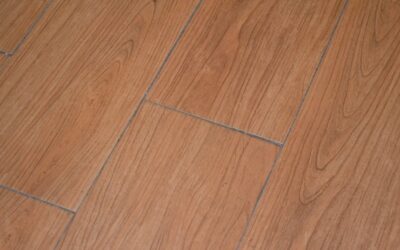
Modern 20 mil LVP is the easiest floor on the market in 2026. The wear layer is a urethane that does not yellow, the core is fully waterproof, and the printed pattern lives under the wear layer where it cannot be scuffed off. Cleaning is a Swiffer dry pad followed by a damp microfiber. No products needed. No buffing. Refinishing is impossible — but at $2.79 to $3.89 per sq ft, replacement is the maintenance plan.
Best brands at this price tier: Mohawk SolidTech, Shaw Floorte Pro, COREtec Pro Plus, and Karndean LooseLay.
Runner-Up: Porcelain Tile
Through-body porcelain (color goes all the way through) is the most durable hard surface a homeowner can buy. PEI 4 or 5 rating handles any residential traffic for thirty years. The catch? Tile itself is bulletproof but grout is not. Standard cement grout stains, harbors mildew, and needs a sealant refresh every few years.
The fix is to spend $0.40 more per sq ft on epoxy grout (Laticrete SpectraLOCK or Mapei Kerapoxy). Epoxy grout is stain-proof, never needs sealing, and turns porcelain into a true zero-maintenance system. Combine large-format 24×48 planks (fewer grout lines) with epoxy grout and you have the only floor that genuinely lasts the lifetime of the house.
Solid Third: AC5 Laminate
Modern AC5 laminate at 12 mm with moisture-sealed click joints is shockingly low maintenance. Vacuum, damp mop, done. Avoid steam mops and standing water — the HDF core under the wear layer is the weak point. If you live in a flood-risk area or have a leaky icemaker history, skip laminate for LVP. In every other scenario, brands like Pergo Outlast+ and Mohawk RevWood Plus deliver an essentially zero-effort surface for $2.49 to $3.29 per sq ft.
Honorable Mention: Engineered Hardwood with Aluminum Oxide Finish
Real wood is never zero-maintenance, but a prefinished aluminum oxide topcoat is the closest you get. Bruce, Bellawood, and Mirage all offer 7-coat aluminum oxide finishes warranted for 25 to 50 years of residential wear. Cleaning is a Bona Hardwood Floor Cleaner spray with a microfiber pad — about 30 seconds per 100 sq ft. The trade-off is humidity sensitivity. If your indoor RH swings outside 35-55%, expect seasonal gapping no matter how good the finish is.
What to Avoid if Maintenance Matters
- Solid hardwood with oil finish: Beautiful but needs reoiling every 6-18 months in heavy traffic.
- Natural stone (marble, travertine, slate): Annual sealing, acid-sensitive, etches from lemon juice.
- Site-finished hardwood: Refinish cycle every 7-12 years at $4-7 per sq ft.
- Cork: Needs polyurethane refresh every 3-5 years and is sensitive to standing moisture.
- Wool carpet: Beautiful, but professional cleaning twice a year and stain remediation that requires neutral pH only.
- Polished concrete with topical sealer: The sealer wears in traffic patterns and needs annual reapplication.
Cleaning Schedule for Low Maintenance Flooring
Even the easiest floor benefits from a routine. Here is what I tell every customer at handover:
- Daily-ish: A 60-second sweep or vacuum pass on heavy-traffic areas. Grit is what scratches wear layers.
- Weekly: Damp microfiber across the whole floor with plain warm water. Wring out until barely damp.
- Monthly: Manufacturer-approved cleaner if needed (Bona for wood, Mohawk Floor Care Essentials for LVP).
- Twice a year: Deep clean entry mats, check transition strips, walk the room with raking light to spot any developing issues.
Cost vs Maintenance Effort
Plan budgets like this for a 1,000 sq ft project including installation:
- 20 mil LVP: $4,500-$6,500 installed, ~10 minutes maintenance per week
- AC5 laminate: $4,000-$5,800, ~10 minutes per week
- Porcelain with epoxy grout: $11,000-$16,000, ~15 minutes per week
- Engineered hardwood (aluminum oxide): $7,500-$11,500, ~20 minutes per week plus humidity control
Final Recommendation
For a busy household with kids, dogs, or both, 20 mil LVP is the genuinely lowest-maintenance flooring on the market in 2026. For forever-home owners who want a hard surface to last 30+ years and do not mind paying upfront, large-format porcelain with epoxy grout is the only material I install on my own house. Choose either, and floor maintenance disappears as a chore in your life.
Entry Mat Strategy Multiplies Floor Life
The cheapest upgrade you can make to any low maintenance flooring is a serious entry mat system. A two-stage approach: a coarse outdoor mat captures the heavy debris, and a 4-foot-long indoor mat picks up the fine grit. Studies from carpet industry research groups show that 80% of indoor dirt walks in on shoes, and a proper entry system stops 70-80% of it before it reaches the rest of the floor. That single change extends wear-layer life by years on LVP and laminate, and reduces grout cleaning frequency on tile.
Pet-Specific Considerations
- Trim dog claws monthly — long claws scratch even premium wear layers over time
- Keep food and water bowls on rubber mats, not directly on the floor
- Wipe paw oils off LVP with a microfiber cloth — not necessary daily, but monthly extends gloss life
- Skip steam mops; pet enzyme cleaner residue plus heat can dull a wear layer permanently
Prefer to explore on your own?
See how new flooring looks in your actual room in seconds — free, no signup.
Try the free Floor Studio →