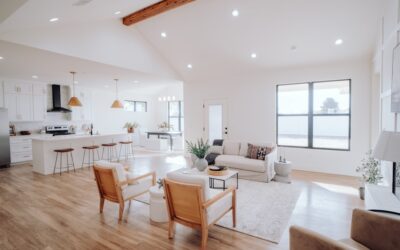
San Francisco’s housing stock is unlike almost anywhere else in the country: steep lots, Victorian and Edwardian flats, mid-century modern homes, and high-rise condos all coexist within a few miles. Shopping for luxury flooring San Francisco homeowners will love means matching premium materials to those very specific architectural and environmental realities. The city’s marine climate, older subfloors, and demanding design expectations all shape what counts as a smart high-end choice here, and this guide explains how to navigate it without naming specific stores.
- What “Luxury” Really Means in Flooring
- Premium Materials Worth Considering
- The Old-Home Challenge
- Honest Look at the Trade-Offs
- Condo and High-Rise Considerations
- Matching Material to Architectural Style
- Maintenance Expectations at the Premium Tier
- How to Vet a High-End Installer
- Getting the Most Value at the Top End
What “Luxury” Really Means in Flooring
Luxury flooring is not just an expensive sticker. It refers to materials with superior aesthetics, longevity, and craftsmanship: wide-plank European oak, genuine stone, designer porcelain, hand-finished hardwood, and top-tier engineered wood with thick wear layers. The defining traits are quality of materials, precision of installation, and a finish that holds up over decades.
In a city where many homes carry historic character, luxury often also means floors that complement original architecture, restoring or echoing the look of a 1900s flat rather than fighting it.
Premium Materials Worth Considering
Several high-end categories perform especially well in the San Francisco context:
- Wide-plank engineered oak: The look of solid hardwood with far better dimensional stability in the city’s damp, fog-driven humidity. A thick wear layer can be refinished multiple times.
- Reclaimed and character hardwood: Salvaged old-growth wood suits Victorian and industrial-loft interiors and tells a story modern lumber cannot.
- Large-format porcelain: Stone and concrete looks with near-zero maintenance, ideal for kitchens, baths, and indoor-outdoor transitions.
- Natural stone: Marble and limestone deliver unmatched prestige but demand sealing and careful upkeep.
The Old-Home Challenge
Much of San Francisco’s charm comes from buildings that are a century old, and those buildings come with quirks. Subfloors may be sloped, uneven, or made of old-growth plank that has shifted over decades. Before any luxury floor goes down, expect serious subfloor assessment and likely some leveling. This is where high-end installation earns its cost: a flawless wide plank installed over a wavy subfloor will telegraph every dip and gap.
Moisture is the other recurring issue. Foggy microclimates, ground-level units, and garages converted to living space all introduce humidity that solid hardwood handles poorly. Engineered products and proper moisture barriers are frequently the wiser premium choice over solid plank in these conditions.
Honest Look at the Trade-Offs
Luxury flooring delivers beauty and longevity, but it carries real downsides you should weigh:
- Cost: Premium materials plus skilled installation in a high-labor-cost city add up quickly. Expect San Francisco labor rates to sit well above national averages.
- Maintenance: Natural stone and oiled hardwood need ongoing care; they reward attention and punish neglect.
- Lead times: Imported European oak and custom stone can take weeks or months to arrive.
- Permitting and HOA rules: Condos and historic buildings often restrict materials, sound transmission, and work hours.
Condo and High-Rise Considerations
If you live in a multi-unit building, your luxury flooring decision is not entirely your own. Most condo associations require an acoustic underlayment that meets a minimum sound rating so footsteps do not disturb the unit below. Hard surfaces like stone and hardwood transmit more sound than carpet, so the right underlayment is essential and sometimes mandated in writing. Confirm your building’s rules before you fall in love with a material the HOA will not approve.
Matching Material to Architectural Style
San Francisco’s homes span more than a century of design, and the most successful luxury floors respect that heritage rather than ignoring it. In a Victorian or Edwardian flat, narrow-to-medium plank oak or reclaimed fir echoes the original construction and feels authentic, while a glossy wide-plank exotic can look out of place. Mid-century modern homes pair beautifully with clean rift-sawn oak or warm walnut that complements their horizontal lines. In a contemporary high-rise, large-format porcelain or sleek wide-plank engineered wood suits the open, light-filled spaces.
Think about the whole home’s flow, too. In compact city floor plans where rooms open into one another, running the same flooring throughout makes the space feel larger and more cohesive than switching materials at every doorway. A skilled designer or showroom consultant can help you choose a luxury material that flatters your home’s specific era and proportions.
Maintenance Expectations at the Premium Tier
Luxury materials reward care and punish neglect, so understand the upkeep before you buy. Oiled hardwood floors look stunning but need periodic re-oiling and prompt attention to spills. Natural stone such as marble requires regular sealing and is vulnerable to acidic spills that etch the surface. Porcelain, by contrast, is nearly maintenance-free, which is part of why it has become so popular even in high-end projects. Factor the ongoing time and cost of maintenance into your decision, since a gorgeous floor that you cannot realistically maintain will disappoint within a few years.
How to Vet a High-End Installer
At the luxury tier, the installer matters as much as the material. Sloppy work on expensive flooring is doubly painful. When evaluating a contractor or showroom for a premium project, look for these signals:
- A portfolio of completed high-end jobs, ideally in homes similar to yours.
- Willingness to do thorough subfloor prep and moisture testing rather than rushing to install.
- A proper California contractor’s license and full insurance.
- Detailed written proposals that specify product line, wear-layer thickness, underlayment, and prep scope.
- References you can actually contact and recent work you can view.
Avoid anyone who quotes a premium price but cuts corners on preparation; that combination produces the worst outcomes.
Getting the Most Value at the Top End
Spending more does not guarantee satisfaction unless the money goes to the right places. Prioritize wear-layer thickness and refinishability in wood, proper subfloor leveling, and an installer with a genuine track record. Order samples and view them in your own home’s light, since San Francisco’s diffuse, foggy daylight changes how wood tones and stone veining read. And resist the urge to match a magazine spread exactly; the best luxury floors suit the bones of your particular home. Done thoughtfully, a premium floor in San Francisco is an investment that elevates both daily life and resale appeal for decades.
Prefer to explore on your own?
See how new flooring looks in your actual room in seconds — free, no signup.
Try the free Floor Studio →