
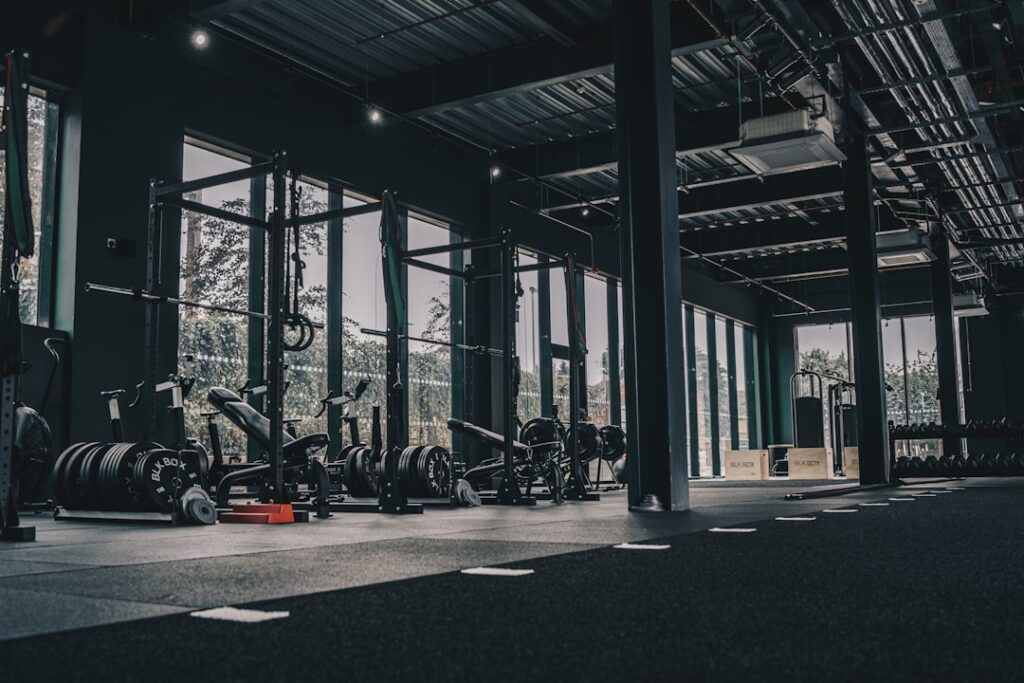
Rubber flooring used to mean gym mats and locker rooms. That reputation is outdated. Luxury rubber flooring has matured into a refined, design-forward surface that delivers genuine comfort underfoot, excellent sound absorption, and a surprisingly upscale look in colors and textures that rival vinyl or cork. Architects spec it for high-end kitchens, home gyms, and commercial showrooms alike. If you want a floor that is soft, quiet, and nearly indestructible, it deserves a serious look.
I have installed rubber in both fitness rooms and contemporary residences. Here is where it genuinely earns the “luxury” label and where the marketing gets ahead of reality.
What Luxury Rubber Flooring Is
Standard rubber flooring is dense and utilitarian. The luxury tier uses higher-grade natural or synthetic rubber, refined manufacturing, and sophisticated color systems to produce floors with marbled, speckled, or solid-tone finishes and a smooth, premium feel. It comes as interlocking tiles, glue-down tiles, or sheet rolls, in thicknesses from 3mm for residential up to 8mm or more for commercial and athletic use.
Natural rubber, derived from the rubber tree, is the eco-friendly premium option. Recycled rubber, made from reclaimed tires, is more affordable and tough but reads more industrial. The luxury products lean toward virgin or natural rubber for a cleaner color palette and a softer hand.
Pros of Luxury Rubber Flooring
- Comfort — natural cushioning reduces fatigue and is easy on joints and backs.
- Sound absorption — it dampens impact and footfall, ideal for upper floors and gyms.
- Slip resistance — the surface grips even when damp, improving safety.
- Durability — resilient, resistant to dents, and bounces back from heavy loads.
- Water resistance — closed-cell rubber repels moisture, suiting kitchens and baths.
- Low maintenance — sweep and damp-mop; no waxing required on most products.
The Cons to Consider
Cost is the first hurdle. Luxury rubber runs $5 to $12 per square foot for material, more than basic vinyl or laminate. Some homeowners also dislike the look — even premium rubber has a distinct matte, slightly rubbery aesthetic that does not read like wood or stone, so it suits modern interiors more than traditional ones.
Off-gassing is another factor. New rubber, especially recycled types, can carry a noticeable odor for a few weeks until it dissipates. Sensitive noses should choose natural rubber and ventilate well. Rubber can also be damaged by certain solvents, oils, and prolonged direct sunlight, which may cause fading or surface degradation over time. And while it resists dents, sharp objects and grease stains can mar it.
Where It Works Best
Home gyms and exercise rooms are the obvious fit, where the cushioning protects joints and absorbs dropped weights. Kitchens benefit from the anti-fatigue comfort during long cooking sessions and the slip resistance near sinks. Playrooms, basements, and laundry rooms also pair well with rubber’s durability and moisture tolerance.
In commercial settings, you will find luxury rubber in healthcare facilities, schools, and retail, where its acoustic performance and easy cleaning matter. It is less common in formal living rooms or bedrooms, where most people still prefer wood or carpet.
Cost Breakdown
Plan for $5 to $12 per square foot in materials, with natural rubber at the top of that range. Glue-down installation adds $2 to $5 per square foot in labor, while interlocking tiles can be a DIY job that saves the labor cost entirely. A 200 sq ft home gym in mid-grade rubber tiles, installed by a pro, typically lands between $1,400 and $3,400. Interlocking tiles laid yourself can cut that nearly in half.
Rubber vs Vinyl vs Cork
- Rubber: Best for cushioning, sound, and slip resistance. More expensive and less wood-like.
- Vinyl (LVP/LVT): More realistic wood and stone looks, often cheaper, but harder underfoot and less acoustic.
- Cork: Also soft and quiet with a warm, natural look, but more vulnerable to moisture and dents than rubber.
Installation Tips
- Acclimate the rubber in the room for 48 hours so it stabilizes before laying.
- Prep a clean, flat, dry subfloor — rubber telegraphs bumps and ridges.
- Choose the right method — interlocking tiles for DIY and removable installs, glue-down or double-stick tape for permanence.
- Roll glue-down floors with a heavy roller to seat them and eliminate air pockets.
- Ventilate for the first few weeks to clear any initial odor.
Colors, Textures, and Design Options
The reason this tier earns the “luxury” label is the range of finishes now available. Beyond flat solid colors, you will find marbled and speckled patterns that mimic terrazzo, subtle textured surfaces that add depth, and a palette that runs from soft neutrals to bold saturated tones. Designers use large-format rubber tiles for a clean, gridded look or seamless sheet rolls for an uninterrupted surface. Some products even offer a slight sheen or a hammered texture for visual interest.
Because rubber is colored throughout, scratches and scuffs are far less visible than on a printed surface like vinyl, where damage exposes a different layer beneath. That through-color quality keeps the floor looking consistent for years, which is part of why it commands a premium.
Maintenance and Care
Keeping luxury rubber looking its best is straightforward but does require the right products. Sweep or vacuum regularly to remove grit, and damp-mop with a pH-neutral cleaner. Avoid harsh solvents, petroleum-based products, and abrasive pads, all of which can degrade or dull the surface. For high-traffic commercial floors, some manufacturers offer a protective finish that can be reapplied periodically to maintain sheen and ease cleaning. Wipe spills promptly, especially oils and greases, since prolonged contact can stain. With this simple routine, a quality rubber floor easily lasts 15 to 20 years or more.
Is Luxury Rubber Flooring Right for You?
Luxury rubber flooring is the right call when comfort, quiet, and durability top your priority list. It is hard to beat in home gyms, kitchens, and modern interiors where you want a soft, safe, low-maintenance surface that lasts for decades. The tradeoffs are real — a higher upfront cost, a distinctive look that will not suit every home, and a short break-in period for odor. If those fit your project, few floors feel as good underfoot or hold up as well to daily abuse. For a traditional aesthetic or a tight budget, vinyl plank remains the more flexible choice.
Prefer to explore on your own?
See how new flooring looks in your actual room in seconds — free, no signup.
Try the free Floor Studio →

