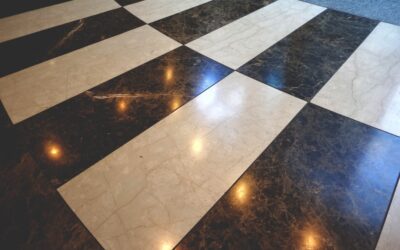
Stone-look luxury vinyl tile flooring gives you the beauty of natural marble, travertine, slate, and concrete without the weight, cold, and expense of real stone. Modern LVT manufacturing has reached a level where the visual replication is remarkably convincing, with detailed veining, color variation, and even textured surfaces that feel like genuine stone underfoot.
- What Is Stone-Look LVT?
- Popular Stone Looks in LVT
- Marble Look LVT
- Travertine Look LVT
- Slate Look LVT
- Concrete Look LVT
- Limestone and Sandstone Look LVT
- Terrazzo Look LVT
- What to Look for in Stone-Look LVT
- Top Brands for Stone-Look LVT in 2026
- Room-by-Room Design Ideas
- Stone-Look LVT Pricing
- Installation Tips for Stone-Look LVT
- Stone-Look LVT vs Real Stone Tile
- Final Thoughts
This guide explores the best stone-look LVT options available in 2026, covers the most popular stone styles, compares leading brands, and provides design inspiration for every room in your home.
What Is Stone-Look LVT?
Luxury vinyl tile (LVT) is a premium vinyl flooring product manufactured in tile or plank formats. Stone-look LVT specifically replicates the appearance of natural stone through high-resolution photographic printing and embossed surface textures. The tiles are typically square (12×12, 12×24, 18×18, or 24×24 inches) to mimic the format of real stone tiles, though some products come in larger or rectangular formats.
Stone-look LVT is constructed in multiple layers: a backing layer for stability, a core layer (rigid SPC or flexible WPC), a photographic design layer that creates the stone appearance, and a clear wear layer that protects against scratches and stains. The rigid core versions, often called SPC (stone polymer composite) LVT, are the most popular due to their dimensional stability and ease of installation.
Popular Stone Looks in LVT
Marble Look LVT
Marble-look LVT is the most sought-after stone style, bringing the luxury of Carrara, Calacatta, and Statuario marble to homes at a fraction of the cost. The best marble LVT captures the dramatic veining patterns, subtle color transitions, and polished sheen that make real marble so prized.
White and gray marble looks dominate the market, but you can also find options that replicate darker marbles like Nero Marquina (black with white veining) and Emperador (warm brown tones). The key to realistic marble LVT is variation between tiles. Premium products use 20 or more unique print patterns, so the repetition is virtually undetectable once installed.
Marble-look LVT works beautifully in bathrooms, entryways, and kitchens where real marble would be impractical due to its porosity, softness, and susceptibility to etching from acidic substances.
Travertine Look LVT
Travertine-look LVT replicates the warm, earthy tones and subtle pitting of natural travertine stone. The best products capture the characteristic linear grain pattern and the soft, warm color palette that ranges from ivory and cream to gold and walnut. Some products even include a filled-and-honed texture that mimics the smooth, matte surface of real travertine.
Travertine LVT is popular in Mediterranean, Tuscan, and transitional-style homes. It pairs well with warm-toned cabinets, wrought iron fixtures, and earth-toned color schemes. The 12×24 and 18×18 formats are most common for a travertine look.
Slate Look LVT
Slate-look LVT captures the layered, textured surface and rich, dark tones of natural slate. The best products include multi-tonal color variation (blues, grays, charcoals, and rusty browns) and a cleft-style texture that mimics the natural splitting pattern of real slate.
Slate-look LVT is an excellent choice for rustic, mountain, and contemporary interiors. It works well in entryways, mudrooms, and kitchens where the dark coloring hides dirt and the textured surface provides good traction. Unlike real slate, LVT slate does not flake, shed layers, or require sealing.
Concrete Look LVT
Concrete-look LVT is the fastest-growing stone style in the market. The industrial, minimalist aesthetic of polished concrete pairs perfectly with modern, Scandinavian, and urban-contemporary interiors. These tiles feature subtle tonal variation, hairline crack details, and matte finishes that convincingly replicate the look of poured and polished concrete.
Concrete LVT is available in a range of gray tones from light silver to dark charcoal, as well as warm beige and taupe options. The large-format tiles (24×24 or larger) are most effective for a realistic concrete look, as they minimize grout lines and create the appearance of a continuous surface.
Limestone and Sandstone Look LVT
Limestone and sandstone looks offer a softer, warmer alternative to marble and concrete. These styles feature muted color palettes, gentle veining, and subtle fossil-like inclusions that create an organic, natural feel. They are popular in coastal, French country, and relaxed-contemporary interiors.
Terrazzo Look LVT
Terrazzo-look LVT has surged in popularity as the terrazzo trend continues to influence interior design. These tiles replicate the distinctive speckled pattern of real terrazzo (marble chips set in a cement or resin binder) without the high cost and complex installation of genuine terrazzo. Available in a wide range of chip sizes and background colors, terrazzo LVT adds visual interest and a retro-modern vibe.
What to Look for in Stone-Look LVT
Visual Realism
The quality of the print layer varies dramatically between products. Budget LVT may have only 4 to 6 unique print patterns, which creates obvious repetition when the tiles are installed. Premium products use 20 to 40+ unique patterns with high-resolution printing that captures fine details like individual mineral crystals, hairline veining, and natural color gradients.
When shopping, always order samples and lay them out together. Look for tiles where the pattern repeat is difficult to spot. Also examine the tiles from different angles and under different lighting conditions, as some prints look flat or artificial under certain light.
Surface Texture
The best stone-look LVT includes embossed-in-register (EIR) textures that align with the printed pattern. This means the surface has tactile ridges and depressions that correspond to the veining and grain in the design, so the floor feels like stone when you touch it. Products without textured surfaces look less realistic, especially in close-up viewing or under raking light.
Tile Size and Format
Stone-look LVT is most realistic in larger tile formats that match the proportions of real stone installations. A 24×24 or 12×24 tile looks more convincing than a 12×12 tile for marble or concrete looks. Some manufacturers offer mixed-format sets that combine multiple sizes for a random-pattern installation, which further enhances realism.
Grout or No Grout
Stone-look LVT can be installed with or without grout. Installing with grout (using a flexible, color-matched grout designed for vinyl) dramatically increases the realism of the installation. The grout lines frame each tile and create the visual impression of a genuine stone tile floor. Without grout, the tight click-lock joints can still look convincing, especially with products that have micro-beveled edges.
Core Type
For stone-look LVT, SPC (stone polymer composite) core is generally preferred over WPC (wood polymer composite). SPC is denser, thinner, and more rigid, which prevents the tiles from flexing and creates a flatter, more stone-like feel underfoot. SPC also handles temperature fluctuations better, making it suitable for sunrooms and spaces with large windows.
Top Brands for Stone-Look LVT in 2026
Mannington Adura Max
Mannington’s Adura Max line includes several excellent stone looks, including Meridian (concrete), Caldera (slate), and Legacy (travertine). These products feature a WPC core with attached pad, Mannington’s proprietary NatureTek printing technology, and a 28-mil wear layer. The visuals are among the best in the industry.
MSI Everlife
MSI offers a broad range of stone-look LVT under their Everlife collection, including the popular Pietra series (marble and travertine looks) and the Trecento series (concrete and stone looks). MSI products use SPC cores and are competitively priced, making them a popular choice for budget-conscious buyers who want quality visuals.
COREtec Stone
COREtec, a pioneer in rigid-core LVT, offers their Stone collection with realistic marble, limestone, and concrete designs. The patented COREtec Plus core provides excellent dimensional stability, and the attached cork backing adds comfort and sound insulation. COREtec products are available through specialty flooring retailers.
Daltile RevoTile
Daltile’s RevoTile is a unique hybrid product that combines a real porcelain tile surface with a click-lock installation system. While technically not traditional LVT, it delivers the authentic look and feel of real stone tile with the easy installation of luxury vinyl. Available in marble, concrete, and travertine looks.
Shaw Paragon
Shaw’s stone-look LVT offerings include the Paragon and Mineral Mix collections, featuring concrete, slate, and abstract stone designs. Shaw products are widely available and backed by strong warranties. Their 20-mil and 28-mil wear layer options accommodate different budget levels.
Room-by-Room Design Ideas
Bathrooms
Stone-look LVT is perfect for bathrooms where you want the luxury of marble or travertine without the maintenance headaches. A white Calacatta marble-look LVT on the floor paired with coordinating wall tiles creates a spa-like atmosphere. The waterproof construction handles bathroom moisture without any concern, unlike real marble which requires regular sealing.
Kitchens
Concrete-look LVT in a large 24×24 format creates a sleek, modern kitchen floor that pairs beautifully with white or gray cabinets and quartz countertops. For a warmer look, travertine-look tiles complement wood-toned cabinets and warm metal fixtures. The durability and easy cleaning of LVT make it practical for the kitchen environment.
Entryways and Mudrooms
Make a strong first impression with slate-look or dark concrete-look LVT in the entryway. These darker options hide dirt and create a dramatic welcome statement. The waterproof and scratch-resistant properties handle the abuse of shoes, boots, and weather tracking.
Living Rooms and Open-Concept Spaces
Large-format stone-look LVT can anchor an entire open-concept living space. Lighter marble or limestone looks make the space feel larger and brighter, while concrete looks contribute to a modern, loft-inspired aesthetic. For open-concept homes, stone-look LVT flows seamlessly from the living area through the kitchen and into hallways.
Basements
Basements are ideal for stone-look LVT because the rigid SPC core handles the moisture vapor that often comes through concrete slabs. A polished concrete or slate look suits the modern basement aesthetic, and the waterproof construction provides peace of mind in a moisture-prone space.
Stone-Look LVT Pricing
Stone-look LVT spans a wide price range depending on the brand, core type, and wear layer thickness:
- Budget SPC stone-look LVT: $2.00 to $3.50 per square foot
- Mid-range SPC/WPC stone-look LVT: $3.50 to $6.00 per square foot
- Premium stone-look LVT (top brands): $5.00 to $9.00 per square foot
- Professional installation: $2.00 to $4.00 per square foot
- Grouting (optional): $1.00 to $2.50 per square foot
For a 200-square-foot bathroom, expect to pay $800 to $2,200 for materials and installation with a mid-range product. For a 300-square-foot kitchen, budget $1,500 to $3,600.
Installation Tips for Stone-Look LVT
- Dry-lay the tiles first: Before starting installation, lay out all the tiles across the room without clicking them together. Check for pattern repetition and rearrange tiles so identical prints are not adjacent.
- Mix tiles from multiple boxes: Pull tiles from 3 to 4 boxes at a time during installation to ensure the color and pattern variation is distributed evenly across the floor.
- Start from the center: For tile-format LVT, starting from the center of the room ensures balanced cuts on all sides and a symmetrical layout.
- Use spacers: Maintain a 1/4-inch expansion gap around all walls and fixed objects. This gap is covered by baseboards or molding.
- Consider a grout installation: If you want maximum realism, choose a product that supports grouting and use color-matched flexible grout to complete the stone-tile look.
Stone-Look LVT vs Real Stone Tile
How does stone-look LVT compare to the real thing?
- Cost: LVT is 40% to 70% cheaper than real stone installed.
- Weight: LVT weighs a fraction of real stone, requiring no subfloor reinforcement.
- Comfort: LVT is warmer and softer underfoot, especially with attached pad.
- Maintenance: LVT requires no sealing, is stain-proof, and cleans easily.
- Durability: Real stone lasts a lifetime; LVT lasts 15 to 25 years.
- Realism: Real stone always wins on close inspection, but quality LVT is convincing from standing height.
- Resale value: Real stone adds more resale value than LVT, though the gap is narrowing.
Final Thoughts
Stone-look luxury vinyl tile flooring has become one of the most compelling products in the flooring market. The combination of stunning visuals, waterproof performance, comfortable feel, and accessible pricing makes it a practical luxury that works in every room. Whether you want the dramatic elegance of Calacatta marble in your bathroom, the rugged beauty of slate in your entryway, or the cool minimalism of polished concrete in your kitchen, there is a stone-look LVT that delivers the look you want without the compromises of real stone.
Prefer to explore on your own?
See how new flooring looks in your actual room in seconds — free, no signup.
Try the free Floor Studio →