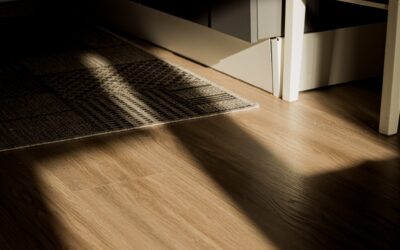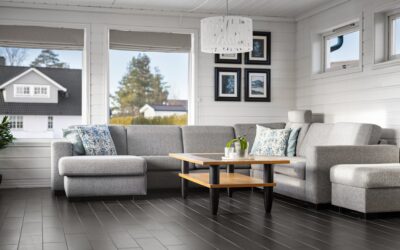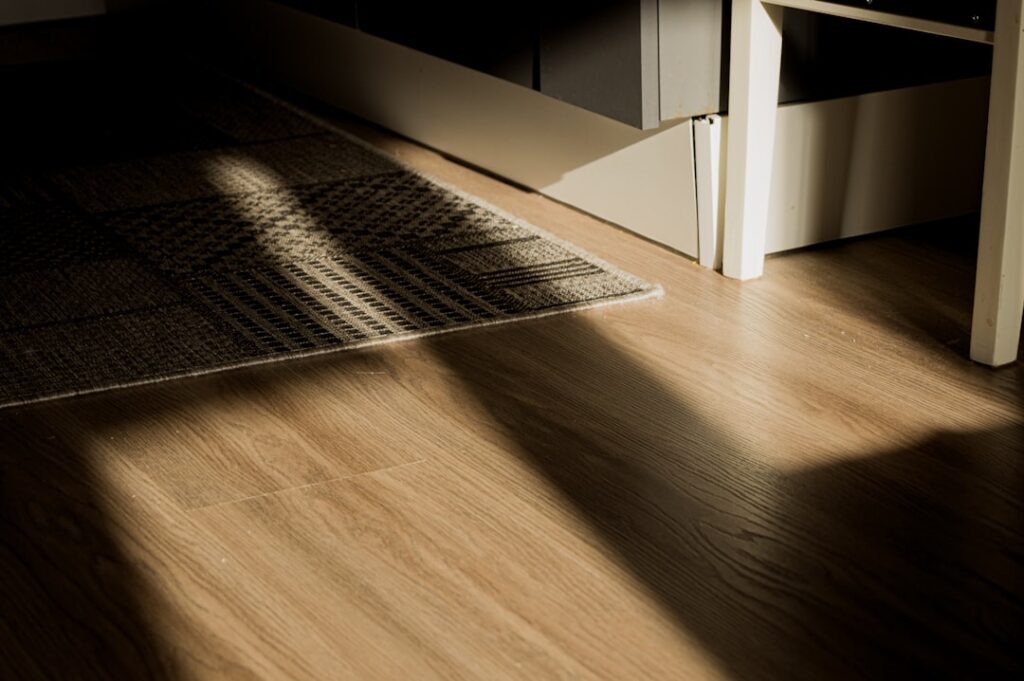
Walk into any flooring store and a salesperson will toss around “vinyl” and “LVP” like they mean the same thing, which leaves shoppers confused about what they are actually buying. The truth in the lvp flooring vs vinyl debate is that LVP is a type of vinyl, but not all vinyl is LVP. Understanding where they overlap and where they split apart is the difference between a floor that looks premium for 20 years and a budget sheet that peels at the edges in five. Here is the plain-English breakdown.
Clearing Up the Terminology
Vinyl flooring is a broad family of synthetic floors made primarily from PVC. That family includes sheet vinyl sold in big rolls, vinyl composition tile (VCT) common in schools and stores, peel-and-stick vinyl tiles, and luxury vinyl. Luxury vinyl itself splits into two formats: luxury vinyl plank (LVP), which mimics wood, and luxury vinyl tile (LVT), which mimics stone or ceramic.
So when people compare LVP to “vinyl,” they usually mean LVP versus the older, thinner styles like sheet vinyl or peel-and-stick tile. That is the comparison this guide focuses on, because it is the choice most homeowners actually face.
Construction and Thickness
The biggest physical difference is how the products are built. Sheet vinyl is a thin, flexible layer, often around 1.5 to 4 millimeters total, rolled out and glued to the subfloor. LVP is a rigid, multi-layer plank, typically 4 to 8 millimeters thick, built from a wear layer, a printed design layer, a thick core, and often an attached underlayment pad.
- Sheet vinyl: thin, continuous, flexible, adhered down across the whole surface.
- LVP: thick, rigid planks that click together and float over the subfloor.
- Wear layer: LVP commonly offers a 12 to 20 mil wear layer for residential use, while budget sheet vinyl wear layers are much thinner.
That extra thickness is why LVP feels more substantial underfoot and tolerates an imperfect subfloor better than thin sheet goods, which telegraph every bump below.
Appearance and Realism
Both can look like wood or stone, but the realism gap is real. LVP uses high-resolution printing plus embossing that aligns texture to the grain, so a plank can actually feel like wood when you run a hand across it. Many lines add beveled edges that read as individual boards. Sheet vinyl prints a repeating pattern on a flat surface; it can look good from standing height, but it rarely fools anyone up close, and the repeat becomes obvious across a large room.
Installation Differences
Installation is where DIYers feel the contrast most. LVP click-lock planks float over the subfloor with no glue, snapping together like a puzzle. You can cut them with a utility knife and a straightedge, no wet saw required for most cuts. A handy homeowner can do a room in a weekend.
Sheet vinyl is trickier for amateurs despite seeming simpler. It comes in 6- or 12-foot-wide rolls that are heavy, awkward to maneuver, and unforgiving to cut around cabinets and corners. A bad cut wastes a large, expensive piece. Many people hire a pro for sheet vinyl specifically because of those template cuts.
Quick Install Comparison
- LVP: floating click-lock, DIY-friendly, tolerant of minor subfloor flaws.
- Glue-down sheet vinyl: requires a very smooth subfloor and careful adhesive work.
- Peel-and-stick: easiest to start but least forgiving of dust and moisture under the tiles.
Durability and Water Resistance
Both materials are water-resistant, which is why people put them in kitchens and bathrooms. But durability differs. LVP’s rigid core and thick wear layer shrug off dents, scratches, and heavy furniture better than thin sheet vinyl, which can gouge, tear, or curl at the seams over time. Seams are the weak point for sheet vinyl; where edges lift, water can sneak under and loosen the adhesive.
LVP planks lock tightly together and many products are rated fully waterproof, not just water-resistant. For a busy household with kids, pets, and spills, LVP generally holds up longer.
Cost: LVP Flooring vs Vinyl
Here is where sheet vinyl fights back. As rough market estimates, basic sheet vinyl can run roughly $1 to $4 per square foot for material, making it one of the cheapest hard-surface floors available. LVP typically lands around $2 to $7 per square foot for material, with premium rigid-core lines higher.
Installation costs follow the same pattern. LVP’s DIY-friendly click system can save labor, while sheet vinyl often needs a pro for clean results. If absolute lowest upfront price drives your decision, sheet vinyl wins. If long-term value, looks, and resale appeal matter more, LVP usually justifies the premium. These figures are approximate; get local quotes.
Which Should You Choose?
Match the product to the room and the goal. Choose LVP when you want a realistic wood look, strong durability, waterproof performance, and a DIY-friendly install for living areas, kitchens, and basements. Choose sheet vinyl when you need the lowest cost, a seamless surface in a small wet space like a laundry room or a rental bathroom, or a quick refresh on a tight budget.
- High-traffic family home: LVP for durability and looks.
- Budget rental or small wet room: sheet vinyl for cost and fewer seams.
- Resale-focused remodel: LVP, which buyers recognize as a premium upgrade.
Maintenance and Comfort Underfoot
Day-to-day care is easy with both, but the details differ. LVP cleans with a dust mop and a damp microfiber pad; its embossed texture can trap a little grit, so sweep regularly. Sheet vinyl wipes down even faster thanks to its flat, seamless surface, though worn spots and lifted seams are nearly impossible to fix invisibly once they appear.
Comfort is another quiet difference. Many LVP planks ship with an attached foam or cork underlayment that softens the step and dampens sound, which matters in upstairs rooms and over concrete. Thin sheet vinyl glued directly to a hard subfloor feels firmer and transmits more noise. If you stand in the kitchen for hours, the cushioned LVP usually wins on fatigue.
Resale and Longevity
Buyers and renters increasingly recognize LVP as a desirable, modern upgrade, while dated sheet vinyl can read as a builder-grade compromise. With reasonable care, quality LVP often lasts 15 to 25 years, and a thick wear layer keeps it looking new far longer than budget sheet goods, which may need replacing in 5 to 10 years in a busy household. For a long-term home or a property you plan to sell, that longevity gap usually justifies LVP’s higher cost.
The Bottom Line
In the lvp flooring vs vinyl decision, remember that LVP is the upgraded, thicker, more realistic member of the vinyl family, while traditional sheet vinyl is the thinner, cheaper original. LVP costs more but delivers better looks, durability, comfort, and a friendlier install. Sheet vinyl wins on raw price and seamless coverage in small spaces. Decide based on your budget, the room’s traffic and moisture, and how long you plan to live with the floor, and either one can be the right call.
Prefer to explore on your own?
See how new flooring looks in your actual room in seconds — free, no signup.
Try the free Floor Studio →