If you have been shopping for vinyl flooring, you have probably seen the abbreviations LVP and LVT used interchangeably and wondered whether they are actually different products. The short answer is that LVP and LVT share the same core technology but come in different shapes designed for different looks. Understanding the distinction helps you choose the right format for your space, your design goals, and your budget.
- What Is LVP (Luxury Vinyl Plank)?
- What Is LVT (Luxury Vinyl Tile)?
- LVP vs LVT: The Core Differences
- SPC vs WPC: Cores Available in Both Formats
- Installation Differences
- When to Choose LVP
- When to Choose LVT
- Cost Comparison
- Can You Mix LVP and LVT in the Same Home?
- Common Misconceptions
- Final Thoughts
This guide breaks down everything that separates LVP from LVT, including format, design intent, core construction, installation methods, ideal applications, and cost. For deeper dives into each product category, see our LVP flooring guide and our vinyl flooring guide.
What Is LVP (Luxury Vinyl Plank)?
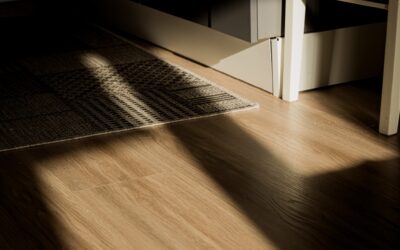
LVP stands for luxury vinyl plank. It comes in long, narrow planks designed to mimic the look of hardwood flooring. Standard LVP plank dimensions range from 6 to 9 inches wide and 36 to 72 inches long. The surface layer features high-resolution photographic prints of wood species like oak, hickory, walnut, and maple, often with textured embossing that replicates wood grain you can feel underfoot.
LVP is the most popular luxury vinyl format sold today, driven by consumer demand for wood-look flooring that handles moisture better than real hardwood.
What Is LVT (Luxury Vinyl Tile)?
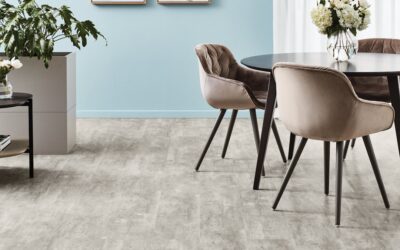
LVT stands for luxury vinyl tile. It comes in square or rectangular tiles designed to mimic the look of natural stone, ceramic, or porcelain tile. Common LVT tile dimensions range from 12×12 inches to 18×18 inches, though you will also find 12×24 rectangular formats that replicate large-format tile.
LVT surface layers feature photographic prints of materials like marble, travertine, slate, limestone, and concrete. Many products include realistic grout lines or textured finishes that enhance the stone or tile effect.
LVP vs LVT: The Core Differences
Shape and Format
This is the most obvious difference. LVP comes in planks (rectangular, wood-shaped pieces), while LVT comes in tiles (square or large rectangular pieces). The shape determines the visual effect. Planks create the linear grain patterns associated with wood flooring. Tiles create the grid patterns associated with stone or ceramic floors.
Design Intent
LVP is designed to look like wood. LVT is designed to look like stone or tile. You choose between them based on the aesthetic you want in a room, not based on performance differences. If you want the warmth and character of a hardwood floor, LVP is your format. If you want the elegance and formality of marble or the clean lines of concrete tile, LVT is the better choice.
Core Technology Is the Same
Here is where the confusion often starts. LVP and LVT typically use the same core construction. Both are available with SPC (stone polymer composite) or WPC (wood polymer composite) cores. Both use the same wear layer technology, UV coatings, and click-lock installation systems. The internal engineering is identical. Only the surface image, texture, and shape differ.
An SPC luxury vinyl plank and an SPC luxury vinyl tile from the same manufacturer and product line will have the same rigidity, waterproof properties, dent resistance, and dimensional stability. The performance is not determined by whether the product is cut into planks or tiles.
Thickness and Wear Layer
Both LVP and LVT are available in the same thickness ranges, typically 4mm to 8mm with wear layers from 6 mil to 28 mil. Premium products in both formats offer 20 mil or higher wear layers suitable for commercial applications. There is no inherent thickness advantage for either format.
SPC vs WPC: Cores Available in Both Formats
SPC Core (Stone Polymer Composite)
SPC cores are made from limestone powder and PVC, creating an extremely rigid, dense, and stable core. SPC products are thinner, harder underfoot, and more resistant to denting from heavy furniture. They handle temperature fluctuations well, making them suitable for sunrooms and areas with direct sunlight. Both LVP and LVT are widely available with SPC cores. Learn more in our SPC flooring guide.
WPC Core (Wood Polymer Composite)
WPC cores use a foaming agent mixed with PVC and wood flour, producing a thicker, softer, and warmer core. WPC products feel more comfortable underfoot and provide better sound absorption. They are slightly less dense than SPC, which makes them marginally more susceptible to denting under extreme weight. Both LVP and LVT are available with WPC cores, though WPC is more common in the plank format.
Installation Differences
Click-Lock Installation
Both LVP and LVT predominantly use click-lock floating installation. Planks and tiles snap together at the edges without glue or nails. The process is similar for both formats, but there are practical differences in how you lay them out.
LVP planks are installed in staggered rows, much like hardwood. You work from one wall to the opposite wall, offsetting end joints by at least 6 inches between rows. The long plank format means fewer seams and faster coverage.
LVT tiles require more attention to alignment. You typically start from the center of the room and work outward to ensure symmetrical cuts along all walls. The grid pattern makes any alignment errors more visible than with planks. Some LVT products include built-in grout bevels that create the appearance of grout lines without actual grouting.
Glue-Down Installation
Both formats are available in glue-down versions, which are thinner (2mm to 3mm) and require adhesive applied to the subfloor. Glue-down products offer a lower profile and a more solid feel underfoot but require more subfloor preparation and professional skill to install correctly.
Cutting
Both LVP and LVT can be scored and snapped with a utility knife or cut with a vinyl plank cutter. Planks require more lengthwise rip cuts along walls, while tiles require more crosscuts. Neither format is significantly harder to cut than the other.
When to Choose LVP
Choose luxury vinyl plank when you want the look of hardwood flooring. LVP works beautifully in living rooms, bedrooms, hallways, kitchens, and open-concept spaces where you want continuous wood-look flooring throughout. It is the most popular choice for whole-home installations because wood-look flooring creates warmth and flow between rooms.
LVP is also the better choice when you want to match existing hardwood in adjoining rooms without the cost of real wood. Modern LVP products are remarkably convincing, with multi-width planks, hand-scraped textures, and wire-brushed finishes that closely replicate real wood character.
When to Choose LVT
Choose luxury vinyl tile when you want the look of natural stone or ceramic tile without the cold feel, difficult installation, or high cost. LVT excels in bathrooms, entryways, mudrooms, and laundry rooms where a tile aesthetic feels natural and appropriate.
LVT is also an excellent choice for kitchens where you prefer a stone or concrete look over wood. Large-format LVT tiles in marble or travertine patterns can create a high-end look at a fraction of the cost of real stone. For commercial spaces like offices and retail stores, LVT provides a polished, professional appearance.
Cost Comparison
LVP and LVT are priced similarly because they use the same manufacturing technology. Budget options in both formats start around $1.50 to $2.50 per square foot. Mid-range products run $3 to $5 per square foot. Premium products with thick wear layers and advanced visuals cost $5 to $8 per square foot.
Installation costs are comparable as well. Professional installation for either format runs $2 to $5 per square foot on top of material costs. DIY installation is equally straightforward for both formats, though LVP tends to go slightly faster due to the larger piece size and simpler stagger pattern.
The total installed cost for a 500-square-foot room ranges from $1,750 to $6,500 for either LVP or LVT, depending on product quality and whether you hire a professional or install it yourself.
Can You Mix LVP and LVT in the Same Home?
Absolutely. Many homeowners install LVP in living areas and bedrooms for the wood-look aesthetic, then switch to LVT in bathrooms and entryways for the stone-look effect. The key is using transition strips where the two formats meet, especially if the products are from different manufacturers or have different thicknesses.
Some manufacturers offer coordinated LVP and LVT collections designed to complement each other, making it easy to create a cohesive look throughout your home while using the appropriate format in each space.
Common Misconceptions
LVT Is Not More Waterproof Than LVP
Both formats are equally waterproof when they use the same core technology. The shape of the product does not affect its moisture resistance. An SPC plank and an SPC tile will both handle standing water, spills, and high humidity identically.
LVP Is Not Softer Than LVT
Comfort underfoot depends on the core type (WPC vs SPC), thickness, and attached underlayment, not on whether the product is shaped as a plank or tile. A thick WPC tile will feel softer than a thin SPC plank.
Quality Is Not Format-Dependent
You will find cheap and premium options in both LVP and LVT. Judge quality by wear layer thickness, core composition, warranty terms, and brand reputation rather than by format alone.
Final Thoughts
The choice between LVP and LVT comes down to one question: do you want your floor to look like wood or stone? Everything else, including durability, waterproof performance, installation method, and cost, is essentially the same between the two formats. Pick the shape that delivers the aesthetic you want, choose a quality product with a strong wear layer, and you will have a floor that looks great and performs well for years.
Explore our LVP flooring guide for detailed plank recommendations and our vinyl flooring guide for an overview of all vinyl options available today.
Prefer to explore on your own?
See how new flooring looks in your actual room in seconds — free, no signup.
Try the free Floor Studio →