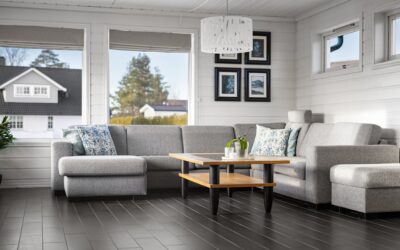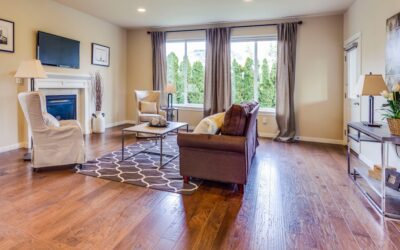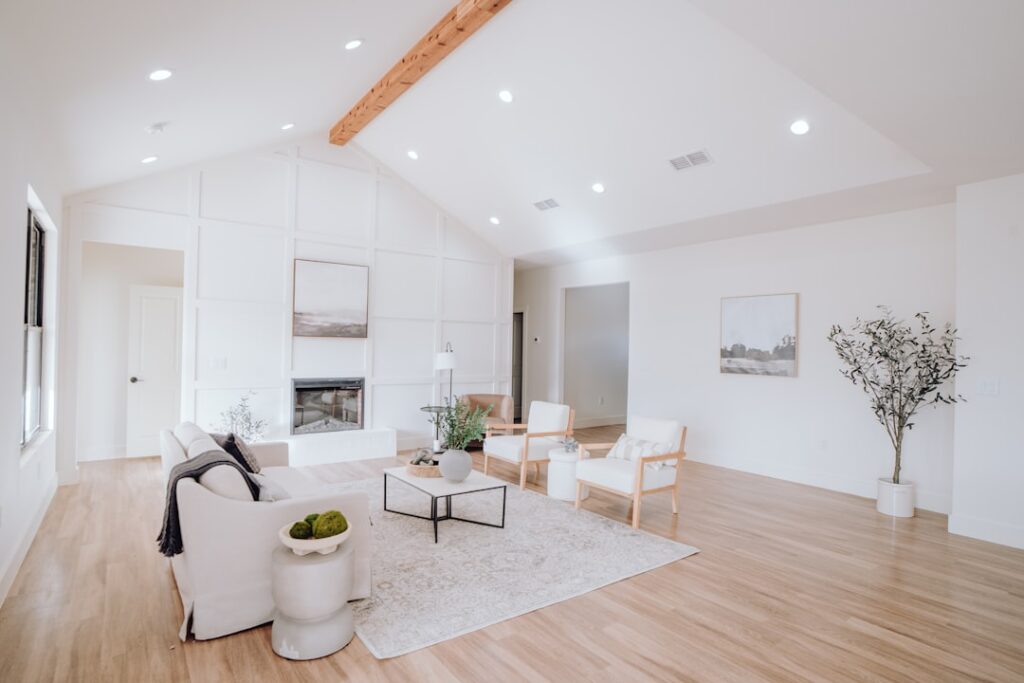
Your living room is where you actually live, so the floor needs to feel good underfoot, look sharp for guests, and survive kids, pets, and years of foot traffic. LVT flooring living room installs have become a favorite because luxury vinyl tile delivers the warmth and comfort a living space needs while shrugging off the wear that would ruin lesser floors. Here is what makes it work in a living room, and the honest trade-offs to weigh before you commit.
What LVT Actually Is
Luxury vinyl tile is a multi-layer flooring with a printed design layer, a clear protective wear layer, and a vinyl core, produced in tile or plank formats. In a living room you will most often see wood-look planks or stone-look tiles. The “luxury” part refers to the thickness, realistic printing, and surface texture that set it apart from old-school sheet vinyl. Think of it as a durable, comfortable middle ground between hardwood and ceramic.
Comfort and Warmth: The Living Room Advantage
This is where LVT beats tile decisively for a living room. Vinyl is warmer to the touch than ceramic or porcelain, so bare feet on a winter morning are not a shock, and the material has a slight give that makes it more forgiving to stand and sit on. In a room where people lounge on the floor, play with kids, or pad around barefoot, that warmth and softness matter more than they would in an entryway.
You can enhance both further. LVT is compatible with radiant floor heating when installed per the manufacturer’s temperature limits, and an attached or separate acoustic underlayment adds cushioning and cuts noise, which keeps a living room from sounding hollow or echoey.
Style and Realism
Modern LVT is convincing. High-resolution printing paired with embossed texture reproduces oak grain, weathered barnwood, marble veining, and concrete looks that read as the real thing from standing height. For a living room, that means you can get the warm, high-end look of wide-plank hardwood or the elegance of stone without their price or maintenance. Plank widths and tile sizes vary, and larger formats with fewer seams tend to feel more upscale and make the room look bigger.
- Wood-look planks: warm, inviting, the most popular living room choice.
- Stone and concrete looks: modern and sleek for contemporary spaces.
- Matte finishes: most natural and best at hiding dust and scuffs.
Durability for a High-Traffic Room
Living rooms see constant use, and LVT holds up well. The wear layer resists scratches, scuffs, and fading, and quality LVT is waterproof, so spilled drinks and the occasional pet accident cause no lasting damage. For a busy living room, target a wear layer of at least 12 mil, stepping up to 20 mil for homes with big dogs or heavy furniture.
Denting is the thing to manage. Heavy furniture legs and dropped objects can leave marks in softer LVT, so choose a rigid-core SPC product if you have a heavy sectional or an entertainment center, and use felt pads and wide furniture cups to spread the load.
LVT vs. Ceramic and Porcelain Tile
Since LVT is often cross-shopped against real tile for living rooms, here is the honest comparison. Ceramic and porcelain are harder, more scratch-proof, and more heat-resistant, and they add resale appeal, but they are cold, hard, and unforgiving underfoot, and they can crack if something heavy drops. LVT is warmer, softer, quieter, and easier to install, at the cost of being less rock-hard and not adding the same premium-material cachet.
For a living room specifically, where comfort and warmth outrank the extreme durability tile offers, LVT usually makes more sense. Save the tile for entryways, sunrooms, and bathrooms where its coldness and hardness are non-issues.
Honest Pros and Cons
- Pros: warm and comfortable underfoot, waterproof, scratch- and stain-resistant, quiet with underlayment, realistic wood and stone looks, DIY-friendly click-lock options, and a friendly price of $2 to $6 per square foot installed.
- Cons: softer products dent under heavy furniture, cannot be refinished like hardwood, cheaper lines look and feel plasticky, can fade in intense direct sun without UV protection, and it does not boost home value the way genuine hardwood or tile can.
Buying and Installation Tips
Match the product to how hard your living room lives. For most homes, a rigid-core SPC plank with a 12- to 20-mil wear layer and an attached acoustic pad is the sweet spot. Choose a matte, textured finish to hide the inevitable dust and light scuffs, and pick wider planks or larger tiles to make the room feel more expansive. Most living room LVT installs as a click-lock floating floor over a flat, clean subfloor, leaving a 1/4-inch expansion gap at the walls. If your room gets strong afternoon sun, confirm the product has UV-stable coloring or plan for window coverings to prevent fading.
Glue-Down vs. Click-Lock LVT
Living room LVT comes in two main installation types, and the right one depends on your subfloor and goals. Click-lock (floating) LVT snaps together and floats over the subfloor with no adhesive, making it the DIY favorite and easy to replace a damaged plank later. Glue-down LVT bonds directly to the subfloor, which gives the most solid, quiet feel underfoot and handles wide temperature swings and large open spaces better, but it demands a very flat, clean subfloor and more labor. For most living rooms, click-lock rigid core is the practical choice; choose glue-down for very large rooms, sun-drenched spaces, or where you want the firmest possible feel.
Caring for LVT in a Living Room
LVT is one of the lowest-maintenance living room floors you can own, but a little routine keeps it looking new for years. Sweep or dust-mop regularly to remove grit, which is the main cause of micro-scratches in the wear layer, and damp-mop with a pH-neutral vinyl cleaner as needed. Skip wax, polish, and abrasive scrubbers, none of which LVT needs, and avoid steam mops on floating floors since forced vapor can reach the seams. Protect the surface with felt pads under furniture legs, wide cups under heavy sectionals and media units, and a walk-off mat at the entry to the room. In sunny living rooms, sheer curtains or UV-filtering film prevent the gradual fading that strong direct light can cause over years.
Bottom Line
LVT flooring living room installs win on the two things a living space needs most: comfort and everyday durability. Luxury vinyl tile gives you the warm, inviting feel of wood with waterproof, scratch-resistant toughness, all for far less than hardwood or the coldness of ceramic. Buy a rigid core with a solid wear layer, add an acoustic underlayment, and your living room floor will feel as good as it looks for well over a decade.
Prefer to explore on your own?
See how new flooring looks in your actual room in seconds — free, no signup.
Try the free Floor Studio →