LVT wood flooring combines the warm, natural appearance of real hardwood with the waterproof durability and easy maintenance of luxury vinyl tile. Thanks to advances in printing technology and embossed surface textures, today’s best wood-look LVT is so realistic that many people cannot tell the difference from across a room.
This guide covers everything you need to know about choosing LVT wood flooring — from understanding plank formats and EIR textures to comparing the top brands and weighing the pros and cons against real wood.
- What Is LVT Wood Flooring?
- Plank vs Tile Formats
- What Makes Wood-Look LVT Realistic
- EIR Texture Technology Explained
- Construction and Core Types
- Top Brands for Wood-Look LVT
- LVT Wood Flooring vs Real Wood
- Most Popular Wood-Look Styles
- Installation Methods
- Pricing Guide
- Maintenance Tips
- Frequently Asked Questions
What Is LVT Wood Flooring?
LVT stands for Luxury Vinyl Tile, a category of resilient flooring made from PVC-based vinyl with a high-definition photographic print layer and a protective wear layer on top. When designed to mimic wood, LVT is typically manufactured in plank shapes (often called LVP — Luxury Vinyl Plank) rather than square tiles, though both formats are available.
The “luxury” distinction separates LVT from basic vinyl sheet or peel-and-stick vinyl tiles. LVT uses thicker construction, higher-resolution printing, textured surfaces, and more advanced click-lock or glue-down installation systems. The result is a product that looks and feels premium while costing a fraction of real hardwood.
For a broader overview of vinyl plank products, visit our LVP flooring guide.
Plank vs Tile Formats
LVT wood flooring comes in two main formats, each with distinct advantages.
Plank Format (LVP)
Planks are rectangular pieces designed to replicate individual wood boards. Standard dimensions range from 6 to 9 inches wide and 36 to 72 inches long. Wider and longer planks create a more dramatic, realistic wood look with fewer seam lines. Plank format is the overwhelming favourite for wood-look LVT in residential settings.
Tile Format
Square or rectangular tiles (typically 12×12 or 12×24 inches) can also carry wood-grain prints. While less common for wood looks, tile-format LVT works well for parquet-style patterns, herringbone layouts, and creative mixed installations that combine wood and stone visuals.
Which Format to Choose
For a classic hardwood look, go with planks. Choose the widest and longest planks your budget allows — they create fewer joints and look more like real wide-plank hardwood. For contemporary or artistic designs, tile format opens up more layout possibilities.
What Makes Wood-Look LVT Realistic
Not all LVT wood flooring looks equally convincing. The realism of a product depends on several factors.
Print Resolution and Variation
Budget LVT uses low-resolution prints with limited pattern variation — you may notice the same grain pattern repeating every 3 to 5 planks. Premium products use high-definition digital printing with 20 or more unique plank designs per box, eliminating visible pattern repeats.
Colour Depth and Character
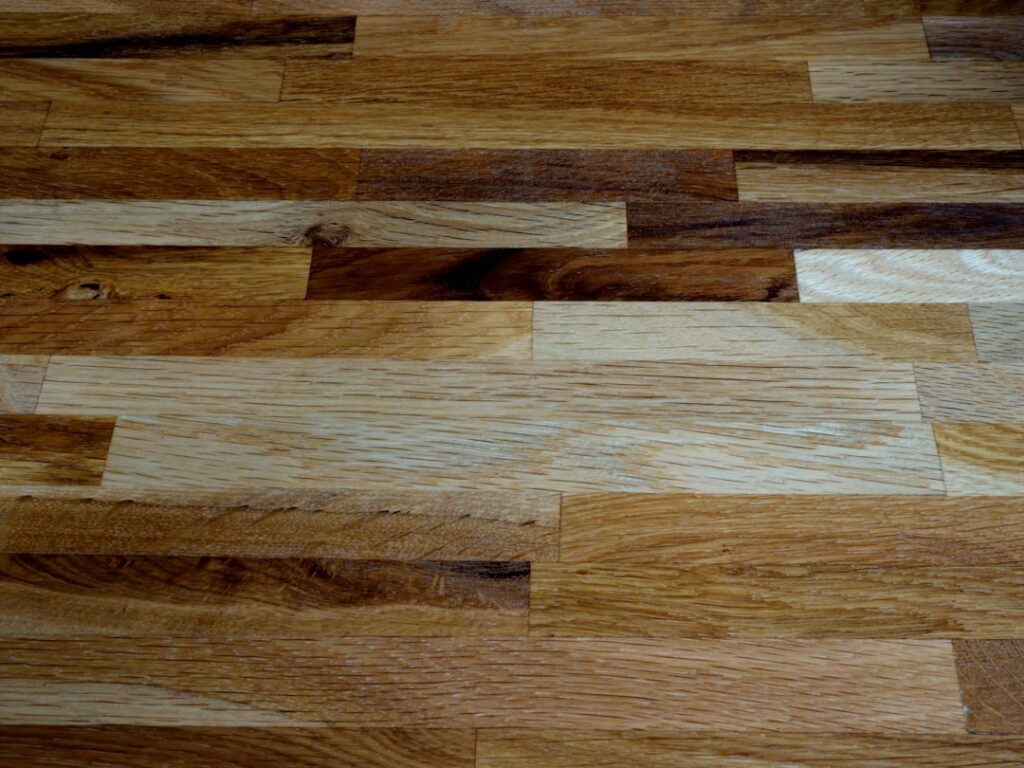
Real wood has subtle colour variation, mineral streaks, knots, and grain changes. The best LVT replicates these details across multiple planks with varying tones, creating a natural mix when installed. Cheap products have flat, uniform colour that looks obviously fake.
Surface Texture
The biggest differentiator between cheap and premium LVT is the surface texture. A smooth, glossy surface screams “vinyl.” A textured surface with visible grain lines, wire-brushed effects, and hand-scraped indentations looks and feels like real wood. This is where EIR technology comes in.
Plank Dimensions
Wider, longer planks look more realistic because they mimic the proportions of real wood boards. Narrow, short planks in uniform sizes look like a manufactured product. Many premium brands now offer planks up to 9 inches wide and 72 inches long.
Edge Treatment
Micro-bevelled edges between planks create a slight V-groove that mimics the natural separation between wood boards. Square-edge (no bevel) products create a seamless look that some prefer but that can make individual planks harder to distinguish.
EIR Texture Technology Explained
EIR stands for Embossed in Register — a manufacturing process that aligns the surface texture with the printed grain pattern. In an EIR plank, the embossed ridges run exactly along the printed grain lines, so the floor looks and feels like real wood grain when you touch it.
How EIR Works
During manufacturing, the embossing roller is precisely synchronized with the print layer. Wherever the print shows a wood grain line, the surface has a corresponding raised ridge. Where the print shows a knot, the surface has a slight indentation. This registration between print and texture creates a three-dimensional realism that standard embossing cannot match.
EIR vs Standard Embossing
Standard embossed LVT has a generic texture pattern that does not align with the printed image. You can see wood grain in the print, but if you run your hand over the surface, the texture goes in a different direction. The disconnect is subtle at first glance but obvious once you notice it. EIR eliminates this disconnect entirely.
Is EIR Worth the Extra Cost?
EIR typically adds $0.50 to $1.50 per square foot to the price. For living areas where the floor is a focal point, the added realism is worth it. For utility rooms, closets, or rentals, standard embossing saves money without a meaningful visual impact from standing height.
Construction and Core Types
The core layer determines the floor’s rigidity, stability, and performance characteristics.
WPC Core (Wood Plastic Composite)
WPC has a foamed core that is softer, warmer, and quieter underfoot. It provides some built-in cushioning and hides minor subfloor imperfections. WPC is lighter and slightly more forgiving during installation. Best for residential spaces where comfort matters.
SPC Core (Stone Plastic Composite)
SPC has a dense, limestone-filled core that is harder, thinner, and more dimensionally stable than WPC. It handles temperature swings and heavy loads better and is the preferred choice for commercial applications and rooms with large windows or variable temperatures. For more on SPC, see our SPC flooring guide.
Flexible (Glue-Down) LVT
Traditional LVT is a thin, flexible product without a rigid core. It is installed using full-spread adhesive and produces the thinnest floor profile (2mm to 3mm). Glue-down LVT is common in commercial settings and high-end residential projects where a low profile and rock-solid bond are needed.
Top Brands for Wood-Look LVT
COREtec
COREtec pioneered the WPC category and remains one of the most recognized names in wood-look LVT. Their COREtec Plus and COREtec Pro lines feature excellent EIR textures, wide planks, and attached cork underlayment.
Shaw Floorte
Shaw’s Floorte Pro and Floorte Plus collections offer a wide range of wood-look SPC and WPC products at competitive prices. Widely available through independent retailers and home centres.
Mannington Adura
The Adura Max line is known for some of the most realistic wood visuals in the LVT category. Mannington uses proprietary NatureForm texturing technology that closely mirrors real wood grain.
MSI Everlife
MSI’s Everlife collection provides strong value with SPC-core wood-look planks at mid-range prices. Widely available at flooring retailers and through contractors.
Karndean
Karndean is a UK-based brand known for ultra-realistic glue-down LVT. Their LooseLay and Korlok lines offer stunning wood visuals with unique designs that are hard to find elsewhere.
Mohawk RevWood and SolidTech
Mohawk covers the LVT category through their SolidTech (vinyl) and RevWood (enhanced laminate) lines. SolidTech planks feature GreenGuard Gold certification and strong warranties.
LVT Wood Flooring vs Real Wood
This is the comparison most shoppers want. Here is an honest assessment.
Where LVT Wins
- Waterproof: LVT handles bathroom floods, kitchen spills, and basement moisture without damage. Real wood warps and stains.
- Price: LVT costs $2 to $7 per square foot; real hardwood costs $3 to $12+, plus more for installation.
- Maintenance: Sweep and damp mop. No sanding, refinishing, or special cleaners needed.
- DIY installation: Click-lock LVT is easy to install. Hardwood often requires professional nailing or gluing.
- Scratch resistance: Quality LVT resists pet scratches better than most hardwood species.
Where Real Wood Wins
- Authenticity: Nothing matches the look and feel of real wood grain, natural colour variation, and the way wood ages over time.
- Resale value: Real hardwood adds more value to a home than any vinyl product.
- Longevity: Hardwood lasts 50 to 100+ years with refinishing. LVT lasts 15 to 25 years before replacement.
- Refinishing: Hardwood can be sanded and refinished multiple times. LVT cannot be refinished at all.
- Eco-friendliness: Wood is a natural, renewable material. LVT is PVC-based and not easily recyclable.
For a deeper comparison of real wood options, visit our hardwood flooring guide and engineered wood flooring guide.
Most Popular Wood-Look Styles
These are the wood-look styles dominating the LVT market right now.
White Oak
The most popular wood look in both real hardwood and LVT. Neutral warm tones, subtle grain, and versatile enough for any design style from farmhouse to modern minimalist.
Hickory
Bold grain patterns with dramatic colour variation between planks. Hickory-look LVT hides scratches and dirt well, making it popular for family homes.
Walnut
Rich, dark brown tones with flowing grain. Walnut-look LVT brings warmth and sophistication to dining rooms and bedrooms.
Reclaimed/Weathered Wood
Distressed, weathered, and barnwood-look LVT is hugely popular for farmhouse and rustic interiors. The aged appearance includes saw marks, nail holes, and colour variation that look authentic in EIR products.
Light Blonde and Whitewashed
Scandinavian-inspired light wood tones are trending in modern and coastal interiors. These styles make rooms feel larger and brighter while maintaining a natural wood aesthetic.
Installation Methods
Click-Lock Floating
The most popular residential installation method. Planks click together and float over the subfloor without adhesive. Fast, clean, and DIY-friendly. Requires an underlayment (often built in).
Glue-Down
Used for thin, flexible LVT. The entire subfloor is coated with adhesive and planks are pressed into place. Creates the most stable bond and the lowest floor profile. Preferred for commercial installations.
Loose-Lay
Planks are laid without adhesive or click-locks, held in place by weight and friction. Best for temporary installations, rental spaces, and areas where future removal is planned.
Pricing Guide
- Budget LVT wood flooring: $1.50 to $3.00 per square foot — thinner wear layers, fewer design variations, standard embossing
- Mid-range LVT wood flooring: $3.00 to $5.00 per square foot — 20-mil wear layer, EIR texture, attached underlayment
- Premium LVT wood flooring: $5.00 to $8.00 per square foot — thick wear layer, ultra-realistic EIR, wide planks, premium brands
- Professional installation: $1.50 to $3.00 per square foot for click-lock; $2.00 to $4.00 for glue-down
Maintenance Tips
- Sweep or vacuum daily to remove grit (use hard-floor setting — no beater bar)
- Damp mop weekly with a vinyl-safe cleaner or plain warm water
- Wipe up spills promptly — while waterproof, standing water at seams can work underneath over time
- Use felt pads under furniture legs to prevent indentation
- Avoid rubber-backed mats (can discolour vinyl) — use non-staining rug pads
- Do not use steam mops, abrasive cleaners, or wax on LVT
Frequently Asked Questions
Does LVT wood flooring look fake?
Budget LVT can look fake, especially products with low print resolution, glossy surfaces, and no texture. Mid-range and premium LVT with EIR textures is extremely convincing — most visitors will not be able to tell the difference from real wood at normal viewing distance.
How long does LVT wood flooring last?
Quality LVT lasts 15 to 25 years in residential settings. The wear layer thickness is the main factor — a 20-mil wear layer is the sweet spot for residential longevity. Commercial-grade products with 28+ mil wear layers can last even longer.
Can you put LVT wood flooring in a bathroom?
Yes. This is one of the biggest advantages of LVT over real wood. The planks themselves are waterproof, and click-lock joints resist casual water exposure. For bathrooms, choose SPC-core LVT for maximum moisture resistance.
Is LVT wood flooring good for resale value?
LVT is widely accepted by home buyers and does not hurt resale value. However, it does not add value the way real hardwood does. For a home you plan to sell at a premium, hardwood in main living areas with LVT in wet rooms is the smart play.
Can you install LVT over existing flooring?
In most cases, yes. Click-lock LVT can be installed over existing vinyl, tile, laminate, and hardwood as long as the surface is flat, clean, and in good condition. Do not install over carpet or cushioned vinyl.
What is the most realistic LVT wood flooring?
COREtec, Karndean, and Mannington Adura Max consistently rank among the most realistic. Look for EIR texturing, wide planks (7 inches or wider), long planks (48 inches or longer), and at least 10 unique print designs per SKU.
Prefer to explore on your own?
See how new flooring looks in your actual room in seconds — free, no signup.
Try the free Floor Studio →