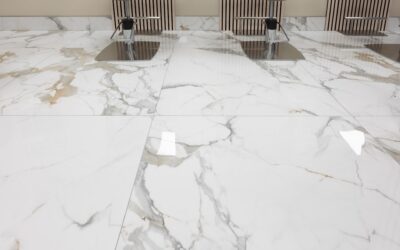
When a tile line borrows its name from one of California’s most design-conscious counties, you expect a certain relaxed, coastal-modern sensibility, and that is exactly the territory this collection lives in. Marin tile refers to a family of porcelain and ceramic tiles built around soft, natural tones and clean lines that suit contemporary kitchens, bathrooms, and open living spaces. If you are drawn to the understated, light-filled look that reads as both fresh and timeless, this style deserves a spot on your sample board. This guide walks through the finishes, best uses, installation, and cost so you know what you are working with.
The Look and Feel
The defining trait of this style is calm. Rather than bold patterns or heavy contrast, a marin-inspired tile leans on muted whites, warm grays, sandy beiges, and gentle stone or linen textures. The effect is a surface that recedes and lets light do the work, which is why it pairs so naturally with white oak cabinetry, matte black fixtures, and plenty of natural daylight. It is the tile equivalent of a quiet, well-tailored neutral.
Many tiles in this vein carry a subtle texture pressed into the porcelain, mimicking honed stone, brushed concrete, or woven fabric. That tactile quality adds depth without visual noise, so the floor or wall feels considered rather than plain. Because porcelain reproduces these looks with consistency, you get the serene aesthetic of natural materials with the durability and low maintenance of engineered tile.
Common Formats and Finishes
Tile in this category typically shows up in a handful of versatile formats that suit modern layouts:
- Large-format squares and rectangles: 12×24 and 24×24 sizes that minimize grout lines for a clean, expansive look.
- Subway and elongated shapes: Slim rectangles for backsplashes and shower surrounds with a contemporary edge.
- Matte and honed finishes: Low-sheen surfaces that hide smudges and read as natural stone.
- Textured slip-resistant options: Ideal for shower floors, entries, and covered outdoor areas.
Finish matters as much as color. A matte or honed surface delivers the soft, organic look that defines the style and offers better slip resistance underfoot, while a polished finish reflects more light but shows every water spot. For floors and wet areas, matte is almost always the smarter choice. For a low-traffic accent wall where you want a little shimmer, a polished tile can work.
Where to Use It
The versatility here is a genuine strength. Marin tile works beautifully as a bathroom floor and shower surround, where its neutral palette creates a spa-like retreat and its porcelain body handles constant moisture without complaint. In kitchens, it makes a restrained backsplash that lets a statement range or bold cabinets take center stage. On open-plan main floors, large-format versions flow room to room and make modest spaces feel bigger.
Because porcelain is dense and frost-resistant, many tiles in this family are rated for covered patios and indoor-outdoor transitions, letting you carry the same floor from the living room out to a shaded terrace. Always confirm the specific tile’s slip rating and outdoor suitability with the manufacturer, but the potential to blur the line between inside and out is one of the most appealing uses for this look.
Installation Considerations
Large-format tiles demand a very flat substrate. Any dip or hump in the subfloor telegraphs as lippage, where one tile edge sits higher than its neighbor, and that is far more visible on big tiles than small ones. Plan on a self-leveling underlayment or careful screeding, and use a tile leveling clip system during setting to keep everything flush. A large-notch trowel and back-buttering ensure full thinset coverage under each piece.
Grout color makes or breaks the finished look. For the seamless, monolithic effect this style is known for, choose a grout that closely matches the tile so the joints nearly disappear. A slightly darker grout adds definition if you prefer to see the pattern. Keep grout lines tight, typically an eighth of an inch or less for rectified large-format tile, to reinforce that clean, modern feel. If you are not confident squaring up big tile over a large floor, this is a project worth hiring out.
What It Costs
Porcelain in this design category generally runs $4 to $12 per square foot for material, with premium textured or large-format lines reaching $15 or more. That places it squarely in the mid-range of tile pricing, more than basic builder ceramic but well below natural stone. For a typical 40-square-foot bathroom, material might run $200 to $500.
Professional installation adds $8 to $15 per square foot, higher for large-format work because of the leveling and flat-substrate requirements. All in, a bathroom floor and shower in marin tile often lands between $1,500 and $3,500 installed depending on scope and local labor rates. Doing the demo and prep yourself and hiring only the tile-setting can trim the bill meaningfully.
Is It Right for Your Home?
This style is an excellent fit for homeowners who want a light, contemporary, coastal-modern aesthetic that will not feel dated in five years. Its neutral palette works as a backdrop for evolving decor, its porcelain body is nearly maintenance-free, and its versatility across floors, walls, and wet areas makes it easy to carry a cohesive look through a whole home. If your taste runs to warm, understated, natural-inspired spaces, marin tile delivers exactly that.
If, on the other hand, you crave bold color, dramatic pattern, or high-contrast statement surfaces, this restrained look may feel too quiet for you. But for the many homeowners chasing that serene, airy, light-filled feel, it is a dependable choice that balances beauty with the practical durability porcelain is known for. Order samples, view them in your own lighting at different times of day, and confirm the finish and slip rating before you commit.
Caring for Marin Tile
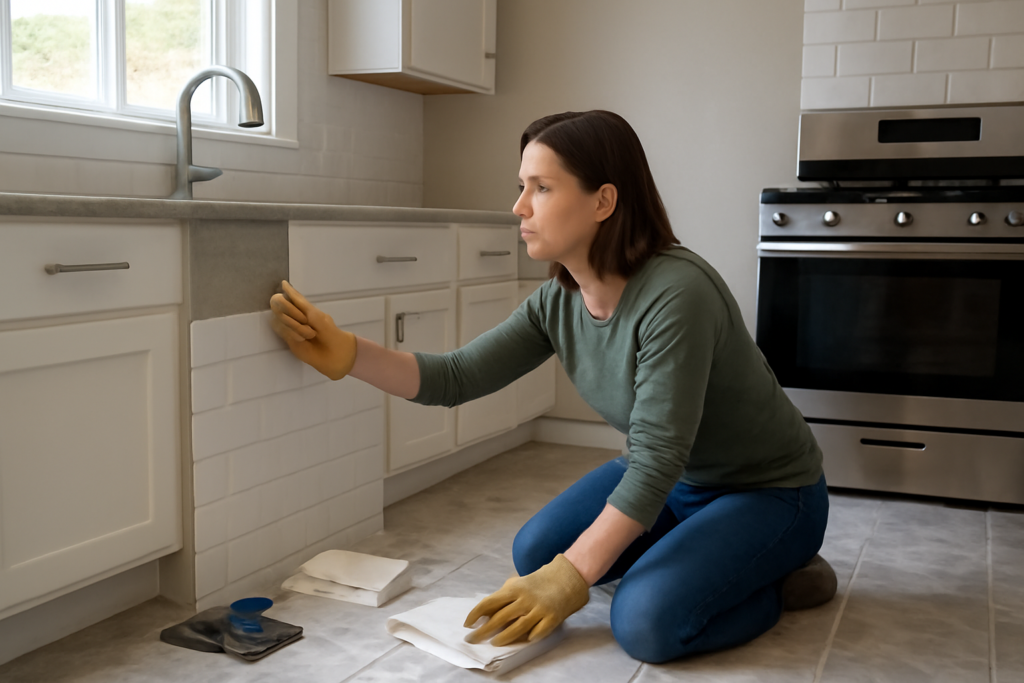
One of the quiet advantages of choosing porcelain in this style is how little upkeep it demands over the years. For routine cleaning, a damp microfiber mop with a pH-neutral tile cleaner is all a marin tile floor needs; harsh acidic or bleach-based products are unnecessary and can dull certain finishes over time. Because porcelain absorbs almost no water, spills wipe away without staining, which is why the material performs so well in kitchens and bathrooms where messes are constant.
The grout, not the tile, is your real maintenance point. Seal cement-based grout after installation and refresh that seal roughly once a year in wet areas to keep it from absorbing grime and discoloring. In showers, wipe the walls down periodically and run the exhaust fan to discourage mildew in the joints. On textured or honed surfaces, an occasional deeper scrub with a soft brush lifts any dirt caught in the surface grain. Follow that simple routine and the tile keeps its clean, understated look for decades with no refinishing or resealing of the tile itself ever required.
Prefer to explore on your own?
See how new flooring looks in your actual room in seconds — free, no signup.
Try the free Floor Studio →