Most people who think they hate linoleum are actually thinking of vinyl. Real Marmoleum linoleum flooring, the natural product made by Forbo, is a completely different material: a renewable, biodegradable floor built from linseed oil, pine rosin, wood flour, and jute, with decades of durability behind it. As homeowners look for healthier, lower-impact surfaces, this century-old material is having a genuine comeback. Here is what it is, what it costs, and whether it belongs in your home.
What Marmoleum Actually Is
Marmoleum is Forbo’s brand of natural linoleum. It is manufactured by oxidizing linseed oil (from flax) and blending it with pine rosin, wood and cork flour, limestone, and natural pigments, then calendering that mixture onto a jute backing. The result is a solid-color-through material, meaning the color runs the full thickness, so surface wear doesn’t expose a different layer underneath. This is the opposite of vinyl, which is petroleum-based and printed with a wear layer on top. The name itself is worth understanding: linoleum comes from the Latin words for flax (linum) and oil (oleum), reflecting that linseed oil is the binding ingredient that makes the material what it is. Genuine linoleum has been manufactured since the 1860s and was the dominant resilient floor for nearly a century before vinyl, a cheaper synthetic, largely replaced it in the postwar era. What you are buying today is essentially a refined, modernized version of a material with a proven 150-year track record, not an experimental product.
Marmoleum vs. Vinyl: Know the Difference
The two are often confused but could not be more different in composition and feel:
- Ingredients: Marmoleum is natural and biodegradable; vinyl is PVC-based plastic.
- Indoor air: Marmoleum is low-VOC and naturally antimicrobial; some vinyls off-gas more.
- Wear: Marmoleum’s color goes all the way through; vinyl relies on a thin printed wear layer.
- Water: Vinyl is fully waterproof; Marmoleum is water-resistant but not waterproof and dislikes standing water.
If sustainability and indoor air quality top your list, Marmoleum wins. If you need a fully waterproof bathroom floor, rigid vinyl may suit better.
Formats and Costs
Marmoleum comes in three main formats, which affects price and installation:
- Sheet: The most seamless and water-resistant; professionally heat-welded. $5 to $9 per sq ft installed.
- Click panels (Marmoleum Click): A floating floor over an MDF/cork core; DIY-friendly. $7 to $11 per sq ft installed.
- Tiles: Glue-down squares for patterns and easy spot replacement.
Material alone often runs $4 to $7 per sq ft. Sheet linoleum installation is a specialized skill, so factor in a qualified installer for that format.
Durability and Lifespan
Properly maintained, Marmoleum can last 25 to 40 years, outliving most vinyl and laminate. It is naturally resistant to scratches and dents because of its solid composition, and minor surface scuffs can often be buffed out. Forbo applies a factory finish (Topshield) that resists scuffs and reduces maintenance. The material does cure and slightly deepen in color over the first weeks after installation, an effect called “blooming” that is normal and harmless. Because the color runs all the way through the material, the kind of wear that destroys a printed vinyl, where foot traffic abrades the photo layer and exposes the backing, simply doesn’t happen the same way. A deep gouge in linoleum reveals more of the same color underneath rather than a different material, which is why these floors age gracefully in high-traffic commercial settings. The linseed oil binder also continues to harden over the years, making the surface progressively more durable rather than degrading, one of the few flooring materials that genuinely improves with age rather than just enduring it.
The Eco and Health Advantages
This is where Marmoleum stands apart. Its raw materials are rapidly renewable, flax regrows yearly, and pine rosin and jute are byproducts. The product is biodegradable at end of life, carries strong low-emission certifications, and the linseed oil gives it natural antibacterial properties that make it popular in schools and hospitals. For households focused on indoor air quality, allergies, or reducing plastic, it is one of the most credible green flooring options available.
Maintenance and Care
Marmoleum is low-maintenance but not no-maintenance. Sweep or dust-mop regularly, and damp-mop with a pH-neutral cleaner made for linoleum, never harsh alkaline products, which can degrade the linseed binder. Avoid letting water pool, especially at seams in sheet and tile formats. Wipe spills promptly, use felt pads under furniture, and place mats at entries. A periodic application of a manufacturer-approved finish refreshes worn areas.
Colors, Patterns, and Design Flexibility
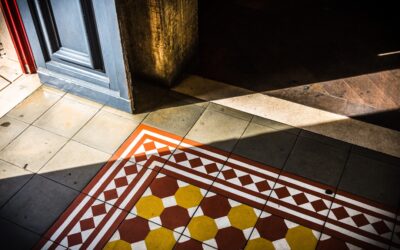
One reason designers keep returning to Marmoleum is its palette. Forbo offers well over a hundred colors, from the classic marbled “Marbled” look to solid concrete-style neutrals and bright saturated tones. Because tiles and sheet can be cut and combined, you can create custom borders, inlays, and geometric patterns that printed vinyl simply cannot match in depth, since the color is solid through the material rather than a surface image. This makes it popular not just in homes but in schools, libraries, and healthcare settings where durable, distinctive floors are wanted. For a residential project, that flexibility means you can match almost any design scheme without resorting to a plastic floor.
Common Misconceptions to Clear Up
A few myths keep homeowners from considering natural linoleum:
- “Linoleum looks dated.” Modern Marmoleum comes in contemporary colors and matte finishes that look nothing like 1970s sheet goods.
- “It smells.” A faint linseed odor appears right after installation and fades within days as the material cures.
- “It’s the same as vinyl.” It is the opposite, natural and biodegradable versus petroleum-based plastic.
- “It’s hard to maintain.” With a pH-neutral cleaner and prompt spill cleanup, upkeep is genuinely simple.
Clearing up these points opens the door to one of the most underrated floors on the market.
Is Marmoleum Right for You?
Marmoleum linoleum flooring is an excellent choice for kitchens, hallways, playrooms, and any space where you want natural materials, durability, and healthy indoor air, all in a huge range of colors and patterns. It is not the pick for a wet bathroom or a flood-prone basement, where waterproof tile or rigid vinyl serves better. If sustainability, design flexibility, and longevity matter to you, this genuine, time-tested material deserves a serious look.
Prefer to explore on your own?
See how new flooring looks in your actual room in seconds — free, no signup.
Try the free Floor Studio →