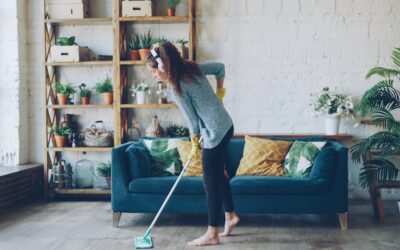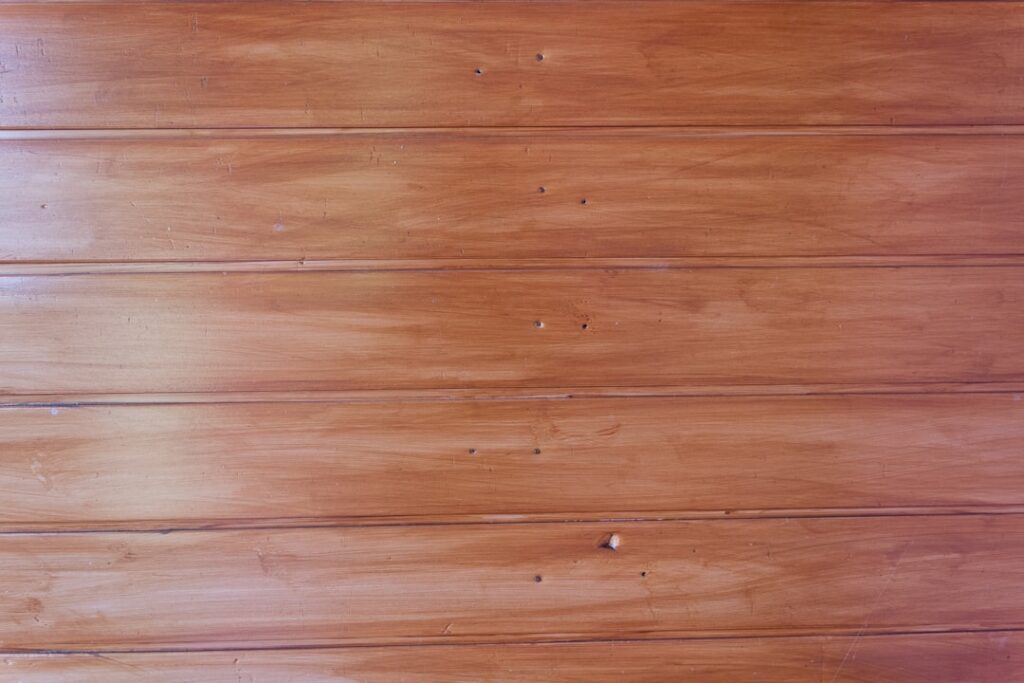
A good microfiber mop for hardwood floors is the single most important cleaning tool you can own for wood floors. Microfiber pads pick up dust, hair, and fine particles that brooms scatter, and they clean with minimal moisture — exactly what hardwood needs. The wrong mop (or the wrong technique) can leave streaks, push grit around, or introduce too much water. The right one keeps your floors clean, shiny, and protected.
This guide covers the two main types of microfiber mops (spray and flat), reviews the best products on the market, and shares the cleaning techniques that professionals use to keep hardwood looking its best.
- Why Microfiber Is Best for Hardwood
- Spray Mop vs Flat Mop: Which to Choose
- Best Spray Mops for Hardwood
- Best Flat Mops for Hardwood
- What to Look For When Buying
- Proper Cleaning Technique
- Microfiber Pad Care and Washing
- What to Avoid on Hardwood Floors
- Best Cleaning Solutions to Use
- Frequently Asked Questions
- What is the best microfiber mop for hardwood floors?
- Is a spray mop or regular mop better for hardwood?
- How often should I mop hardwood floors?
- Can microfiber pads scratch hardwood floors?
- How many microfiber pads do I need?
- Are Swiffer WetJet pads microfiber?
- Can I use a microfiber mop on engineered hardwood?
Why Microfiber Is Best for Hardwood
Microfiber is not just a marketing buzzword — the material has genuine, measurable advantages for hardwood floor care that no other mop material can match.
How Microfiber Works
Microfiber is made of ultra-thin synthetic fibers (typically a blend of polyester and polyamide) that are split during manufacturing to create microscopic hooks and loops. These split fibers do three things:
- Attract and trap particles: The split fibers create a static charge that attracts dust, hair, and fine debris rather than pushing them around. A microfiber pad picks up particles that cotton mops and brooms leave behind.
- Clean with minimal water: Microfiber is effective when barely damp. You do not need a soaking-wet mop to get clean floors. Less water means less risk of moisture damage to hardwood.
- Will not scratch: The fibers are softer than hardwood finish, so they clean without scratching — unlike some scrub pads or stiff broom bristles that can leave micro-scratches over time.
Microfiber vs Cotton vs Sponge
| Mop Material | Dust Pickup | Water Control | Scratch Risk | Best For |
|---|---|---|---|---|
| Microfiber | Excellent | Excellent (barely damp) | None | Hardwood, engineered wood, laminate |
| Cotton string | Fair | Poor (too wet) | Low | Tile, concrete, vinyl |
| Sponge | Poor | Poor (too wet) | Low | Tile, concrete |
For hardwood floors specifically, microfiber is the only mop material recommended by flooring professionals and most hardwood flooring manufacturers.
Spray Mop vs Flat Mop: Which to Choose
There are two main designs for a microfiber mop for hardwood floors: spray mops with built-in solution dispensers and traditional flat mops used with a separate spray bottle or bucket.
Spray Mops
A spray mop has an integrated tank that holds cleaning solution and a trigger on the handle that sprays a fine mist onto the floor in front of the mop head. You spray and mop in one motion.
- Pros: Convenient, controls the amount of solution applied, no bucket needed, easy to use, quick for daily and weekly cleaning
- Cons: Tank needs refilling, some models use proprietary (more expensive) solution cartridges, slightly heavier than flat mops
- Best for: Weekly cleaning, spot cleaning, quick touchups, kitchens, and living areas
Flat Mops (Dry/Wet)
A flat mop has a simple rectangular head with a removable microfiber pad. For dry dusting, use the pad dry. For wet cleaning, lightly dampen the pad by hand or use a separate spray bottle to mist the floor.
- Pros: Lightweight, simple, inexpensive, works for both dry dusting and damp mopping, no proprietary supplies needed
- Cons: No built-in solution dispenser, requires a separate spray bottle for wet cleaning, must wring the pad by hand to control moisture
- Best for: Daily dry dusting, flexible cleaning, budget-conscious buyers, large floor areas
The Best Approach: Own Both
Many homeowners find that the ideal setup is a flat mop for quick daily dry-dusting and a spray mop for weekly damp cleaning. Together they cost $40 to $80 and cover every hardwood cleaning need.
Best Spray Mops for Hardwood
These are the top-rated spray mops specifically designed for or well-suited to hardwood floors in 2026.
Bona Premium Spray Mop
The Bona spray mop is the gold standard for hardwood floor care and the most recommended microfiber mop for hardwood floors by flooring professionals.
- Why it is the best: The refillable cartridge system uses Bona Hardwood Floor Cleaner, which is pH-balanced, residue-free, and recommended by virtually every hardwood manufacturer. The microfiber pad is large (16.5 inches), machine-washable, and designed to clean without leaving streaks.
- Mop head size: 16.5 x 4.25 inches
- Solution system: Refillable 33 oz cartridge (also available in 128 oz refill jugs)
- Pad type: Dual-zone microfiber (cleaning fibers + dusting fibers)
- Price: $35 – $45 for the mop kit; $8 – $10 per replacement cartridge
- Best for: Anyone who wants a simple, effective, professional-quality system
O-Cedar ProMist MAX Spray Mop
The O-Cedar ProMist MAX is an excellent budget-friendly alternative to the Bona with one key advantage: you fill the tank with any cleaning solution you choose.
- Why it is good: Refillable tank means no proprietary cartridges. The oversized microfiber pad covers more area per pass. The double-sided pad lets you flip it to a fresh side mid-cleaning.
- Mop head size: 17 x 5 inches
- Solution system: Refillable tank (any solution)
- Pad type: Double-sided, machine-washable microfiber
- Price: $25 – $35
- Best for: Budget-conscious homeowners who want flexibility in cleaning solutions
Swiffer PowerMop
The Swiffer PowerMop uses disposable cleaning pads and a built-in scrubber strip. It is convenient but generates ongoing waste from disposable pads.
- Why it works: Absorbing pads with built-in cleaning solution require zero effort. The scrubber strip handles stubborn spots without bending down.
- Downside: Disposable pads cost $0.40 – $0.60 each (adds up over time) and create waste. The cleaning solution is not specifically formulated for hardwood and can leave residue on polyurethane finishes.
- Price: $30 – $35 for the starter kit; ongoing pad costs
- Best for: People who prioritize convenience over cost and environmental impact
Turbo Microfiber Mop
The Turbo microfiber mop system is popular on Amazon and offers exceptional value. It comes with multiple reusable microfiber pads and a refillable spray bottle integrated into the handle.
- Why it is good: The starter kit includes 3 to 4 reusable pads, the mop head rotates 360 degrees, and the price point is extremely competitive. The spray mechanism works well and the pads are thick and absorbent.
- Mop head size: 16 x 5 inches
- Solution system: Refillable bottle (any solution)
- Pad type: Multiple reusable, machine-washable microfiber pads included
- Price: $25 – $35 for the complete kit with pads
- Best for: Best value option, especially for homeowners with large floor areas who go through pads quickly
Best Flat Mops for Hardwood
Flat mops are the daily workhorse — perfect for quick dust mopping and light damp cleaning.
Bona Microfiber Floor Mop
Bona’s flat mop (separate from the spray mop) is a lightweight, simple tool for daily hardwood maintenance. The microfiber dusting pad attracts and holds fine particles that brooms miss.
- Includes: Mop with telescoping handle, one microfiber dusting pad, one microfiber cleaning pad
- Price: $30 – $40
O-Cedar Hardwood Floor ‘N More Mop
A simple, budget-friendly flat mop with a large microfiber head that works for both dusting and damp mopping. The head flips up for scrubbing if needed.
- Price: $15 – $25
Dust Mop Heads for Existing Frames
If you already have a flat mop frame, buying replacement microfiber pads is the most economical approach. Look for pads made from split microfiber (not flat-woven microfiber) for best dust pickup. Packs of 3 to 6 reusable pads cost $10 to $20 and last for months of regular use.
What to Look For When Buying
Not every mop labeled “microfiber” is suitable for hardwood. Here is what separates a good microfiber mop for hardwood floors from a mediocre one.
Pad Quality
- Split microfiber: Look for pads made from split (or opened) microfiber, not flat-woven. Split fibers have the microscopic hooks that trap particles. Flat-woven microfiber pushes dirt around.
- GSM rating: GSM (grams per square meter) measures fiber density. Higher GSM means more fibers and better cleaning. Look for 300+ GSM for cleaning pads and 200+ GSM for dusting pads.
- Machine washable: Reusable pads should be machine washable for 100+ cycles without losing effectiveness.
Mop Head Size
- Standard (15 – 18 inches): Good for most rooms. Fits easily through doorways and around furniture.
- Compact (10 – 12 inches): Better for bathrooms, small rooms, and tight spaces.
- Professional (18 – 24 inches): Covers large areas faster. Best for open-concept homes with big floor areas.
Handle Quality
Aluminum or stainless steel handles are lighter and more durable than plastic. A swivel joint at the head allows the mop to pivot flat under furniture and around obstacles. Telescoping handles let you adjust the length to your height.
Solution Control (Spray Mops)
The spray should produce a fine, even mist — not a heavy stream or drippy puddle. Adjustable spray volume is a plus. Refillable tanks are more cost-effective and environmentally friendly than proprietary cartridges.
Proper Cleaning Technique
Even the best microfiber mop for hardwood floors will not produce great results with bad technique. Here is how professionals clean hardwood floors.
Daily Dry Dusting
- Attach a dry microfiber dusting pad to your flat mop
- Start at the far end of the room and work toward the door
- Use long, overlapping strokes in one direction — do not scrub back and forth
- The microfiber pad attracts and holds dust, hair, and fine grit through static charge
- Shake out or vacuum the pad when it looks loaded with debris (every few rooms)
- This takes 5 to 10 minutes for an average room and prevents grit from scratching the finish
Weekly Damp Mopping
- Dry dust first to remove loose debris (critical — mopping over grit scratches the floor)
- Attach a damp (not wet) microfiber cleaning pad, or use a spray mop
- If using a spray mop, spray a light mist (3 to 4 trigger pulls) ahead of the mop and clean that section
- Work in 4-foot sections, moving with the grain of the wood
- The floor should be barely damp after you pass over it — if it is visibly wet, you are using too much solution
- Let the floor air dry (should take under 2 minutes if you used the right amount of moisture)
- For high-traffic areas or visible scuffs, spray slightly more solution and let it sit for 30 seconds before mopping
Key Technique Tips
- Less water is more: Hardwood’s enemy is moisture. The pad should be damp, not dripping. If you can squeeze water out of the pad, it is too wet.
- Go with the grain: Mop in the direction of the wood grain. This cleans between the grain lines and produces a streak-free result.
- Flip the pad: If using a double-sided pad, flip it halfway through to maintain cleaning effectiveness.
- Replace dirty pads: A dirty pad just redistributes grime. Switch to a fresh pad when the current one is visibly soiled.
Microfiber Pad Care and Washing
Proper pad care extends the life of your microfiber pads and maintains their cleaning effectiveness.
Washing
- Machine wash after every 2 to 3 uses (or after every use if cleaning up spills or heavy dirt)
- Wash in warm water (not hot — heat can damage microfiber)
- Use a small amount of mild detergent — no fabric softener, no bleach
- Fabric softener coats microfiber and destroys its dust-attracting properties
- Wash microfiber pads separately from lint-producing fabrics (towels, cotton clothes)
Drying
- Air dry when possible — this preserves microfiber fibers longest
- If machine drying, use low heat only
- Do not use dryer sheets — they leave a coating that reduces cleaning performance
Replacement
Quality microfiber pads last 100 to 300 washes before the fibers lose their split structure and cleaning effectiveness drops. When pads stop picking up dust effectively or leave streaks that they did not before, it is time to replace them.
What to Avoid on Hardwood Floors
Knowing what not to do is just as important as knowing the right technique.
- Steam mops: The heat and moisture from steam mops can damage polyurethane finishes, delaminate engineered hardwood, and cause warping. Most hardwood manufacturers explicitly void their warranty if steam mops are used.
- Sponge mops: They leave too much water on the floor and push dirty water around rather than trapping it.
- String mops: Too wet, too much water, and inadequate for picking up fine particles on smooth surfaces.
- Vinegar: While popular as a “natural” cleaner, vinegar’s acidity dulls polyurethane finishes over time. Use pH-neutral hardwood cleaners instead.
- Dish soap: Leaves a sticky residue that attracts dirt and creates a hazy film.
- Oil soap (Murphy’s): Can build up a film over time that dulls the finish and interferes with future refinishing.
- Wet Swiffer pads: The cleaning solution in pre-wet Swiffer pads is not formulated for hardwood and can leave residue on polyurethane finishes.
For more on maintaining hardwood floors, see our hardwood flooring guide.
Best Cleaning Solutions to Use
The cleaning solution matters as much as the mop. Use one of these options with your microfiber mop for hardwood floors.
Bona Hardwood Floor Cleaner
The industry standard. pH-balanced, residue-free, GREENGUARD GOLD certified. Recommended by more hardwood flooring professionals than any other product. Available in spray bottles and large refill jugs.
Manufacturer’s Recommended Cleaner
Many hardwood flooring brands (Shaw, Bruce, Mohawk) produce their own floor cleaner. Using the manufacturer’s product ensures warranty compliance and formulation compatibility with your specific finish.
Plain Water (Barely Damp)
For daily maintenance, a barely-damp microfiber pad with no cleaning solution is sufficient. Water alone, in minimal amounts, cleans effectively without any risk of finish damage. Save the cleaning solution for weekly deeper cleans.
What NOT to Use
- Vinegar (dulls finish)
- Bleach (damages wood and finish)
- Ammonia (strips finish)
- Pine-Sol or similar all-purpose cleaners (leave residue)
- Homemade solutions with dish soap (residue and film)
Frequently Asked Questions
What is the best microfiber mop for hardwood floors?
The Bona Premium Spray Mop is the top overall choice for weekly cleaning — it uses Bona’s residue-free hardwood cleaner and produces professional results. For daily dry dusting, any quality flat mop with a split-microfiber pad works well. The O-Cedar ProMist MAX and Turbo Microfiber Mop are excellent budget alternatives to Bona.
Is a spray mop or regular mop better for hardwood?
A spray mop is better for most homeowners because it controls the amount of moisture applied to the floor. Traditional mops (string, sponge) are too wet for hardwood. If you prefer a flat mop, use it with a separate spray bottle to apply a light mist of cleaner ahead of the mop.
How often should I mop hardwood floors?
Dry dust with a microfiber pad 2 to 3 times per week (or daily in high-traffic areas). Damp mop with a cleaning solution once a week. More frequent damp mopping is fine as long as you use minimal moisture.
Can microfiber pads scratch hardwood floors?
Clean microfiber pads will not scratch hardwood. However, a dirty pad loaded with grit and debris can cause scratches because the trapped grit acts as an abrasive. Always dry dust first to remove loose particles, and replace dirty pads with clean ones during mopping.
How many microfiber pads do I need?
For an average home, 4 to 6 cleaning pads and 2 to 3 dusting pads is ideal. This gives you enough to mop the whole house without washing pads mid-session, plus spares while others are in the wash.
Are Swiffer WetJet pads microfiber?
No. Swiffer pads are made of absorbent polyester, not split microfiber. They do not trap particles the same way and the pre-wet solution is not formulated for hardwood floors. For hardwood, a dedicated microfiber mop with a hardwood-specific cleaner produces significantly better and safer results.
Can I use a microfiber mop on engineered hardwood?
Yes. Microfiber mops are recommended for engineered hardwood just as they are for solid hardwood. Use the same technique — dry dust regularly, damp mop weekly with a hardwood-specific cleaner, and never saturate the floor with water. See our engineered wood flooring guide for more care tips.
Prefer to explore on your own?
See how new flooring looks in your actual room in seconds — free, no signup.
Try the free Floor Studio →