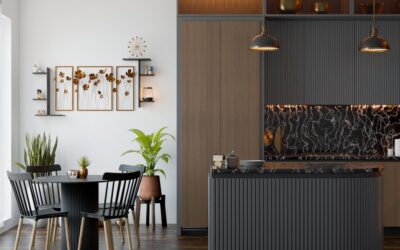
A minimalist rug is the quiet foundation of a calm, uncluttered room. Instead of competing for attention with bold patterns and busy borders, it anchors your furniture, softens hard floors, and lets the rest of the space breathe.
Choosing one is less about following a trend and more about restraint. The best minimalist rugs do a lot with a little: a single soothing color, a subtle texture, and clean lines that make a room feel intentional rather than empty. This guide covers how to pick the right color, material, size, and style so your rug supports the whole space instead of distracting from it.
What Makes a Rug Minimalist
Minimalism is about reducing visual noise, and a rug fits that philosophy when it keeps decoration to a minimum. Solid colors, gentle tonal variation, and simple geometry, such as a thin stripe or a single grid line, all read as minimalist. Heavy medallions, ornate florals, and high-contrast patterns generally do not.
Texture often does the work that pattern would in a busier design. A flatweave with a faint grid, a wool loop pile with a subtle ribbed surface, or a soft shag in one neutral tone all add interest without adding clutter. The goal is a rug you notice for how it feels and grounds the room, not for a loud design.
Choosing a Color Palette
Neutral tones are the backbone of minimalist design, so most minimalist rugs live in a restrained palette. Off-white, oatmeal, greige, soft gray, taupe, and warm sand all blend into a calm scheme and make a small room feel larger and brighter. Deeper choices like charcoal or muted black add grounding weight in a room with lots of light wood and white walls.
Think about the undertone, not just the shade. A cool gray rug can clash with warm honey floors, while a warm beige can fight cool blue-gray cabinetry. Bring home a sample or order a swatch and lay it on your actual floor in daylight before committing, since lighting changes color dramatically. A rug that looks crisp white in a showroom can read dingy under warm bulbs at home.
Picking the Right Material
Material affects how the rug feels underfoot, how it wears, and how easy it is to keep clean. Because minimalist rugs are usually solid or low-pattern, dirt and stains show more readily, so durability and cleanability matter even more than with a busy design.
- Wool: soft, naturally stain-resistant, and durable, making it a strong choice for living rooms and bedrooms.
- Cotton: lightweight, often washable, and budget-friendly, well suited to kitchens and casual spaces.
- Jute and sisal: natural fibers that add organic texture and a warm, earthy neutral, though they feel coarser underfoot.
- Synthetics such as polypropylene: affordable, easy to clean, and good for high-traffic or outdoor areas.
- Viscose blends: silky and luxurious looking, but more delicate and harder to clean, so best in low-traffic spots.
Getting the Size and Placement Right
Size is where many rugs go wrong, and a too-small rug undercuts even a beautiful minimalist look by leaving furniture stranded. As a general rule, the rug should be large enough that the front legs of your seating sit on it, and ideally all the legs in a larger living room.
In a living room, an 8-by-10-foot rug suits many seating arrangements, while large open layouts often call for 9-by-12 or bigger. Under a dining table, choose a rug wide enough that chairs stay on it when pulled out, usually adding about 24 inches beyond the table on every side. In a bedroom, a large rug under the lower two-thirds of the bed, or two runners flanking it, keeps the look clean. Leave a consistent border of bare floor, roughly 8 to 18 inches, around the rug to frame the space.
Styling a Minimalist Rug in Your Space
Restraint is the whole point, so resist the urge to layer in too much. A single well-chosen rug usually does more than several competing pieces. Let the rug set a quiet base, then keep the surrounding palette tight, with a couple of accent tones at most.
Texture layering is the exception that works. Pairing a low flatweave with a chunky knit throw, or a smooth wool rug with a linen sofa, adds depth while staying calm. Keep the floor around the rug clear of clutter so the negative space reads as intentional. In open-plan homes, using the same or closely related rugs in adjacent zones creates a cohesive, uninterrupted flow.
Caring for Your Rug
Because solid, light-colored rugs reveal wear, regular care keeps a minimalist rug looking sharp. Vacuum it regularly to lift dust and grit that grind down fibers, and rotate it every few months so it wears and fades evenly, especially near sunny windows.
Blot spills immediately rather than rubbing them, which pushes stains deeper, and use a cleaner appropriate to the fiber. A rug pad underneath is a small upgrade with big payoffs: it prevents slipping, cushions your steps, protects the floor, and extends the rug’s life. Follow the manufacturer’s cleaning guidance, and for wool or delicate fibers, consider professional cleaning every year or two to refresh the look without risking damage.
Budgeting for the Right Rug
Prices span a wide range, so it helps to set expectations before you shop. Synthetic and small cotton rugs can start around $50 to $150, mid-range wool and quality blends often fall in the $200 to $600 range, and large hand-knotted wool pieces can run well over $1,000 depending on size and craftsmanship.
A minimalist rug is one place where investing in quality pays off, because its simplicity means the material and construction carry the whole look. A durable wool rug in the right neutral will outlast and outperform a cheaper synthetic that mats and shows wear quickly. Buy the largest, best-made rug your budget allows in a color you genuinely love, and it will quietly tie your room together for years.
If you are working with a tighter budget, prioritize size and color over fiber, since a generously sized neutral rug in a synthetic still reads far more polished than a small premium one that floats in the middle of the floor. You can always replace it later once you are sure of the look. The most expensive rug is the one you buy twice because the first was too small or the wrong tone.