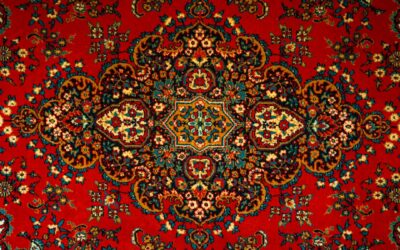
Carpet has evolved far beyond the shag and berber of decades past. Modern carpet embraces low-profile textures, sophisticated color palettes, sustainable materials, and modular formats that fit seamlessly into contemporary interiors. If you assumed carpet could not work in a modern home, the latest options will change your mind.
- Low Pile Textures: The Signature of Modern Carpet
- Color Trends in Modern Carpet
- Geometric Patterns and Textured Designs
- Sustainable and Natural Fibers
- Carpet Tiles: The Modern Modular Option
- Carpet as a Design Element in Modern Homes
- Bedroom Comfort
- Stairway Statement
- Bold Accent Rugs Over Hard Floors
- Basement and Media Rooms
- Minimalist Neutrals in Open Plans
- Choosing the Right Modern Carpet
This guide explores the most popular modern carpet trends, from fiber innovations to bold design choices, and explains how to incorporate carpet into a clean, current aesthetic.
Low Pile Textures: The Signature of Modern Carpet
The single biggest shift in modern carpet is the move toward low pile heights. Where older carpet styles featured tall, plush fibers that showed vacuum marks and wore unevenly, today’s designs prioritize tight, dense construction that looks clean and performs better over time.
Cut Pile with Tight Twist
Frieze (sometimes called trackless or twist) carpet features tightly twisted fibers that curl in different directions. This creates a textured surface that hides footprints and vacuum marks. The result is a casual, lived-in look that suits modern family homes. Frieze works especially well in bedrooms and living rooms where comfort matters but you still want a contemporary appearance.
Loop Pile and Berber Reimagined
Loop pile carpet has made a comeback, but in refined forms. Modern loop carpet features tight, level loops in neutral tones that create a flat, uniform surface. This is a departure from the chunky, flecked berber of the 1990s. Today’s loop pile looks more like a woven textile, adding texture without visual clutter.
Patterned loop pile takes this further with subtle geometric designs created by varying loop heights. The patterns are often tone-on-tone, keeping the look understated while adding visual interest.
Cut and Loop Combinations
Cut and loop carpet mixes sheared and unsheared fibers to create sculptured patterns. Modern versions use this technique for geometric designs, abstract textures, and organic patterns that add depth without relying on color contrast. The interplay of matte (loop) and slight sheen (cut) fibers creates a sophisticated surface.
Color Trends in Modern Carpet
Color choices have shifted dramatically. The beige-and-cream carpet that dominated homes for decades is giving way to a broader, more intentional palette.
Warm Neutrals and Earth Tones
Greige (gray-beige), warm taupe, soft clay, and mushroom tones are the most popular modern carpet colors. These shades complement the natural wood, stone, and warm metal finishes common in contemporary design. They are neutral enough to work with varied decor but more interesting than plain beige.
Cool Grays
Gray remains a strong choice, particularly in cooler-toned modern interiors. Light to mid-tone grays pair well with white walls, black accents, and the clean lines of modern furniture. Charcoal gray works in media rooms and bedrooms where a cozy, enveloping atmosphere is desired.
Bold and Dark Colors
Deep navy, forest green, and rich charcoal are increasingly popular in modern homes, especially in spaces like home offices, dens, and primary bedrooms. Dark carpet creates a grounding effect and makes furniture and artwork stand out. It also hides stains and wear better than light colors.
Muted Jewel Tones
Dusty rose, sage green, and muted blue offer a way to add personality without overwhelming a room. These colors appear in bedrooms and sitting rooms where a softer, more personal atmosphere is appropriate. They work best with simple furniture and minimal accessories to keep the look modern rather than traditional.
Geometric Patterns and Textured Designs
Patterned carpet is one of the strongest trends in modern flooring. Rather than the florals and medallions of traditional carpet, modern patterns are geometric, linear, and abstract.
Herringbone and Chevron
Herringbone and chevron patterns in carpet bring the same visual interest as herringbone hardwood but with the warmth and comfort of soft flooring. These patterns work particularly well on stairs and in hallways where the directional design draws the eye and adds movement.
Geometric and Linear Patterns
Squares, diamonds, hexagons, and linear stripe patterns are popular in modern carpet design. When executed in tone-on-tone colors (for example, a slightly darker and lighter shade of the same gray), these patterns add texture and sophistication without competing with other design elements in the room.
Abstract and Organic Textures
Some modern carpets feature organic, abstract patterns that mimic natural textures like sand ripples, weathered wood, or stone surfaces. These designs blur the line between carpet and other flooring types, creating a unique look that feels curated and intentional.
Sustainable and Natural Fibers
Sustainability is a major driver in modern carpet choices. Homeowners increasingly want materials that are environmentally responsible without sacrificing performance.
Wool Carpet
Wool is the original sustainable carpet fiber. It is renewable, biodegradable, naturally flame-resistant, and inherently stain-resistant thanks to its lanolin content. Modern wool carpet comes in beautifully textured weaves and a full range of colors. It is a premium choice at $5 to $15 per square foot, but its longevity (25 years or more) makes it a strong long-term value.
Recycled PET (Polyester)
Carpet made from recycled plastic bottles has become mainstream. Recycled PET carpet is soft, stain-resistant, and available in a wide range of styles and colors. It diverts plastic waste from landfills and typically costs $2 to $5 per square foot. It is less resilient than nylon (meaning it can mat in high traffic areas), but performs well in bedrooms and moderate-traffic rooms.
Sisal, Jute, and Seagrass
Natural plant fibers offer a distinctly modern, organic look. Sisal is the most durable of the group and works well in living rooms and offices. Jute is softer but less durable, best suited for low-traffic areas. Seagrass is naturally water-resistant and has a subtle sheen. These fibers work beautifully as area rugs layered over hard flooring, which is a quintessential modern design technique.
Solution-Dyed Nylon
While not a natural fiber, solution-dyed nylon is the most durable carpet fiber available and is produced with less water and dye waste than traditional methods. The color is embedded in the fiber during manufacturing rather than applied after, resulting in exceptional fade and stain resistance. Brands like Mohawk (with EverStrand) and Shaw (with Anso nylon) lead this category.
Carpet Tiles: The Modern Modular Option
Carpet tiles have moved beyond commercial offices and into residential design. Modern carpet tiles offer unique advantages that appeal to contemporary homeowners.
Why Carpet Tiles Fit Modern Design
- Customizable layouts: Mix colors and patterns to create unique floor designs, including checkerboard, striped, and random arrangements.
- Easy replacement: Stained or damaged tiles can be swapped out individually without replacing the entire floor.
- Simple installation: Peel-and-stick or loose-lay installation makes them accessible for DIY projects.
- Flexible coverage: Carpet specific zones within an open floor plan — like a seating area within a larger hard-floor space.
Popular Carpet Tile Brands
FLOR is the most recognized residential carpet tile brand, offering dozens of modern patterns and the ability to create custom area rugs. Interface, primarily a commercial brand, also offers residential-friendly options with a strong sustainability focus. Prices range from $10 to $20 per square foot for premium residential tiles.
Carpet as a Design Element in Modern Homes
Modern design does not avoid carpet — it uses carpet strategically. Here are the most effective ways to incorporate carpet into a contemporary space.
Bedroom Comfort
Bedrooms are the most natural fit for carpet in a modern home. A soft, neutral carpet creates warmth underfoot and sound insulation that hard flooring cannot match. Keep the color simple (warm gray, taupe, or soft white) and choose a low-pile texture for a clean look.
Stairway Statement
Carpet on stairs provides safety (grip) and noise reduction. A patterned runner on wood stairs is a classic modern design choice. Herringbone, geometric, and stripe patterns work especially well. The contrast of hard wood treads with soft carpet creates visual interest.
Bold Accent Rugs Over Hard Floors
Large area rugs are arguably the most popular way to use carpet in modern homes. A bold rug over hardwood, tile, or polished concrete defines a seating area, adds warmth, and introduces color or pattern. Choose rugs with modern patterns (abstract, geometric, color block) and low pile for a contemporary feel.
Basement and Media Rooms
Carpet excels in basements and media rooms where sound absorption and warmth are priorities. Dark, dense carpet in a media room minimizes light reflection and creates a theater-like atmosphere. In basements, carpet tiles are a smart choice because they can be lifted to check for moisture issues.
Minimalist Neutrals in Open Plans
In open floor plans, a seamless expanse of neutral carpet creates a calm, unified look. The key is choosing a color and texture that does not compete with the architecture or furnishings. Tight twist or low cut pile in greige or warm gray is ideal. This approach works especially well in contemporary apartments and lofts.
Choosing the Right Modern Carpet
Selecting carpet for a modern space comes down to a few key decisions.
- Pile height: Go low. Anything under half an inch keeps the look current.
- Fiber: Nylon for durability, wool for luxury, recycled PET for sustainability on a budget.
- Color: Warm neutrals are the safest choice. Bold colors work in smaller, defined spaces.
- Pattern: Geometric or textured, never floral or ornate.
- Format: Broadloom for bedrooms and large areas, tiles for creative layouts and easy maintenance, area rugs for layering over hard floors.
Modern carpet is not about wall-to-wall coverage in every room. It is about placing soft flooring where it adds the most comfort and design value while complementing hard surfaces elsewhere.
To explore carpet types, fibers, and installation options in more detail, visit our complete carpet flooring guide.