The modern farmhouse dining room has outlasted its trend-piece reputation and become a legitimate design style. It works because it balances the warmth of rustic materials with the clean lines of contemporary design, resulting in a space that feels inviting without being cluttered. The difference between a dining room that nails this style and one that looks like a barn sale comes down to restraint, material quality, and a few smart choices.
Defining the Modern Farmhouse Look
Traditional farmhouse style leans heavily on distressed finishes, mason jars, and reclaimed everything. Modern farmhouse pulls that warmth forward but strips away the excess. Think natural wood paired with black metal, clean white walls instead of wallpaper, and one statement light fixture instead of a dozen decorative items on every surface.
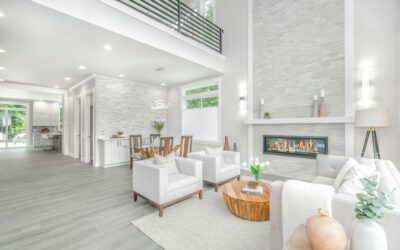
The color palette stays neutral: whites, creams, warm grays, and natural wood tones. Accent colors are muted, like sage green, dusty blue, or charcoal. Every piece in the room should look like it belongs there for a functional reason, not just for decoration.
Choosing the Right Dining Table
The table is the centerpiece. A solid wood farmhouse table with a simple trestle or turned-leg base sets the tone for the entire room. White oak, walnut, and reclaimed pine are the most popular wood species for this style. A 72-inch table seats six comfortably and fits rooms as small as 12 by 12 feet with 36 inches of clearance around each side.
Avoid overly distressed or heavily whitewashed tables if you want the “modern” part of modern farmhouse. A natural finish with visible grain and minimal distressing looks current. Tables with a matte or satin polyurethane finish resist stains better than raw or waxed surfaces and still feel natural to the touch.
Expect to pay $400 to $800 for a quality solid-wood table from retailers like Pottery Barn, World Market, or Article. Custom tables from local woodworkers run $1,200 to $3,000 depending on size and species.
Seating Options
Matching chair sets are fine, but mixing seating types adds visual interest. A popular combination is four upholstered side chairs with a wooden bench on one side. The bench tucks under the table to save space and seats three without the bulk of individual chairs.
Cross-back chairs (also called X-back or vineyard chairs) are the classic modern farmhouse choice. Black or natural wood versions cost $80 to $150 each. Windsor chairs offer a similar vibe with a slightly more refined silhouette. For upholstered options, look for linen or performance fabric in neutral tones with a simple parsons or slope-arm frame.
Lighting That Sets the Mood
A single oversized pendant or chandelier centered over the table anchors the room. Hang it 30 to 36 inches above the table surface so it illuminates without blocking sightlines across the table. For tables longer than 60 inches, two smaller pendants spaced evenly work better than one large fixture.
Black iron or aged brass fixtures define the modern farmhouse dining room. A wagon-wheel chandelier, a linear iron fixture with exposed Edison bulbs, or a simple drum shade in natural linen all work. Avoid anything too ornate or overly industrial. The fixture should feel handcrafted rather than factory-produced.
Add a dimmer switch. Dining rooms need bright light for homework and board games and low light for dinner parties. A dimmer costs $15 to $30 and installs in 10 minutes.
Wall Treatments and Paint
White or off-white walls are the modern farmhouse standard. Benjamin Moore White Dove (OC-17) and Sherwin-Williams Alabaster (SW 7008) are designer favorites because they are warm without looking yellow. Use a flat or matte finish on walls for a soft, organic feel.
A board-and-batten accent wall behind a sideboard or buffet adds architectural texture. Paint the batten wall the same color as the surrounding walls for a subtle effect, or go slightly darker with a warm gray like Revere Pewter for contrast. Shiplap is another option but has become overexposed, so use it sparingly if at all.
Sideboard and Storage
A sideboard or buffet along one wall provides storage for table linens, candles, serving platters, and overflow dinnerware. Look for a piece with a mix of open shelving and closed cabinets. Rattan-front doors add texture, while solid wood doors keep the look clean.
Size the sideboard to the wall. A 60-inch sideboard suits a 10- to 12-foot wall section, leaving room on each side for visual breathing space. Keep the top relatively clear: a table lamp, a small plant, and one decorative object is enough.
Flooring for a Farmhouse Dining Room
Wide-plank hardwood floors in white oak or hickory are the gold standard for this style. Planks 5 inches wide or wider with a matte or wire-brushed finish look authentic and hide scratches better than glossy narrow-strip flooring. If hardwood is outside the budget, luxury vinyl plank in a realistic wood-look finish costs half as much and handles spills better.
Add a rug under the table to define the dining zone and protect the floor from chair legs. A flat-weave jute or wool rug in a neutral tone is the modern farmhouse go-to. Size it at least 24 inches larger than the table on all sides so chairs stay on the rug when pulled out.
Finishing Touches
Greenery brings life to a neutral palette. A potted olive tree or fiddle-leaf fig in a woven basket fills an empty corner without adding clutter. On the table, a simple wooden dough bowl with dried eucalyptus or seasonal greenery makes a low-maintenance centerpiece that stays relevant year-round.
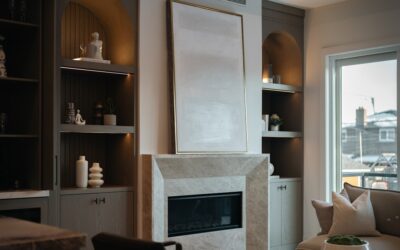
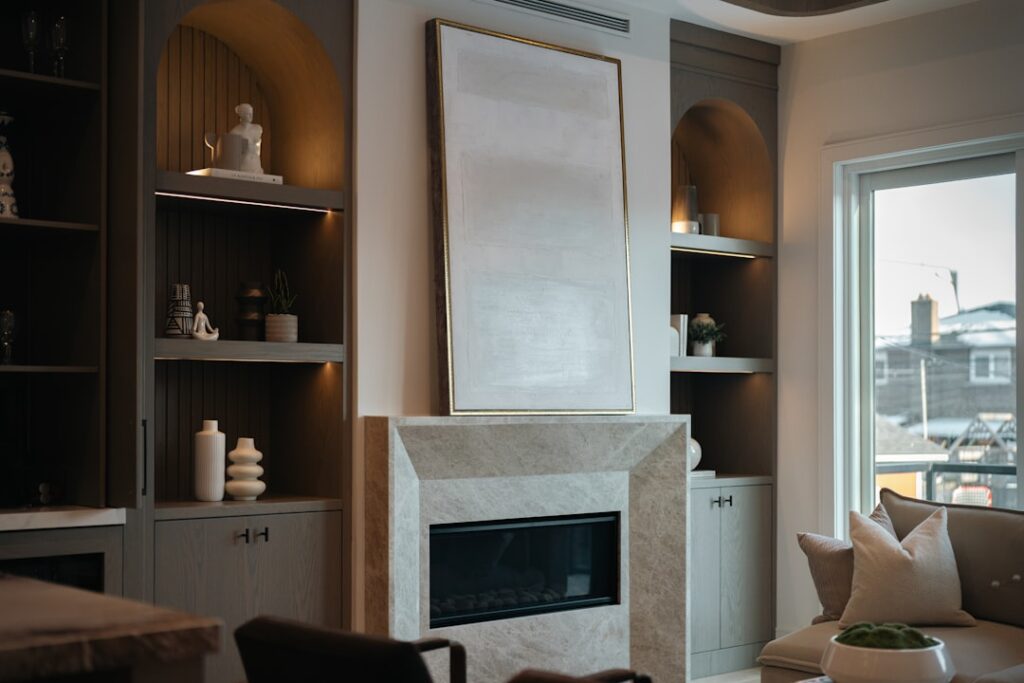
Keep wall art minimal. One large-scale piece or a pair of botanical prints in simple black or natural wood frames is enough. Gallery walls with ten frames and mixed media pull the eye in too many directions and fight the clean-lined ethos of the modern farmhouse dining room.