Pink bathrooms have shaken off the 1950s tile-on-tile reputation and emerged as one of the most photographed renovation looks of the past two years. The shift comes from designers treating pink as a neutral rather than a feminine accent — pairing dusty rose with brass, terra-cotta with travertine, and blush plaster with matte black hardware. These modern pink bathroom ideas work because they lean into warmth and tonal layering instead of the saccharine pink of the past, and they age beautifully in homes that previous pink trends turned into running jokes.
Choosing the Right Pink Tone
The single most important decision among modern pink bathroom ideas is the actual paint color. Not all pinks read modern. The shades that look intentional in 2026 are warm, low-saturation, and slightly grayed:
- Farrow & Ball Setting Plaster — soft mineral pink, the dominant designer choice
- Benjamin Moore First Light 2102-70 — was 2020 Color of the Year and still relevant
- Sherwin-Williams Quietude SW 6212 — pink-leaning gray for a quieter take
- Backdrop Hot Date — terra-cotta-leaning pink for warmer rooms
- Clare Wing It — barely-there blush perfect for ceilings
Always test a 12×12-inch sample on the actual wall in morning, midday, and evening light before committing. Pink shifts more dramatically with light temperature than any other color family.
Plaster Walls Over Painted Drywall
The fastest way to elevate a pink bathroom is using a textured plaster finish like Roman Clay (from Portola Paints) or American Clay over standard drywall. Plaster catches and reflects light unevenly, giving pink a depth flat paint cannot match. A skilled plasterer charges $7 to $12 per square foot, or DIYers can achieve a passable look with two-coat Roman Clay for about $4 per square foot.
Seal plaster in wet zones with a satin matte topcoat designed for the product — never a shiny polycrylic, which kills the natural look.
Tile Pairings That Work
Pink walls call for tile in tones that complement rather than compete. The most successful current pairings:
- Pink walls with terra-cotta floor tiles in warm rooms
- Pink walls with travertine slabs for a Mediterranean feel
- Pink walls with handmade zellige in white or soft greens
- Pink walls with checkerboard black-and-white floors for graphic contrast
- Pink walls with vertical white subway tile for a Parisian look
Avoid pairing pink with cool blue tile or pure gray. Both fight the warm undertone and make the pink read like a mistake.
Fixtures and Hardware
Hardware finish makes or breaks a pink bathroom. The current strong choices:
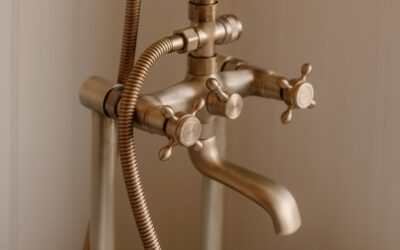
- Unlacquered brass — develops a living patina; pairs beautifully with all pink tones
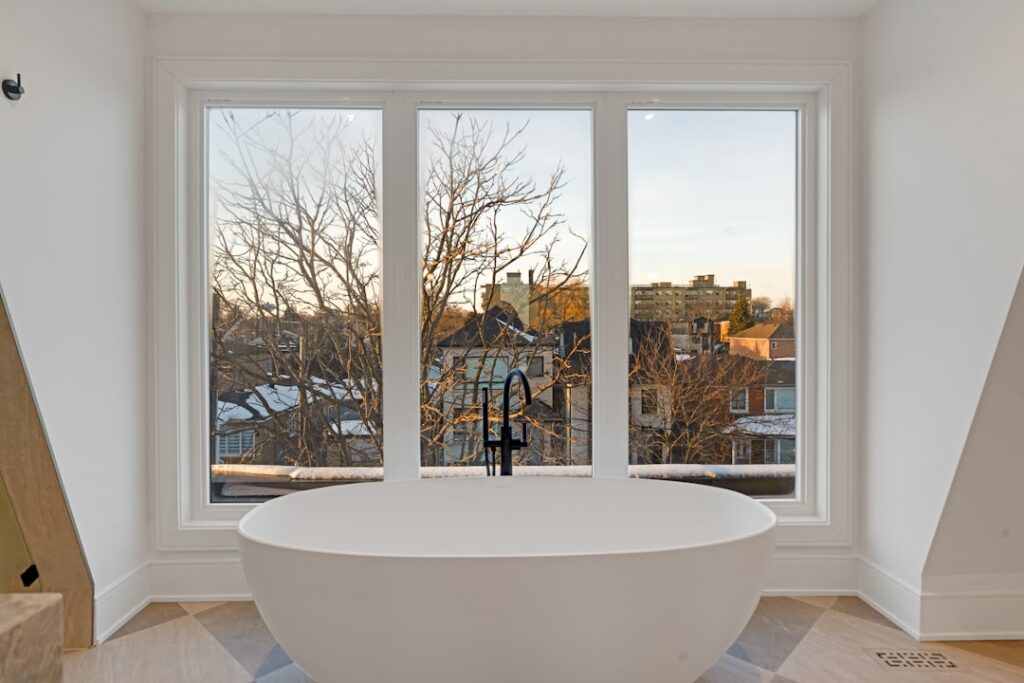
- Matte black — graphic contrast for a modern edge
- Brushed nickel — quietest option; lets the pink dominate
- Polished chrome — best for Hollywood Regency or vintage-glam takes
Avoid satin gold (reads dated) and oil-rubbed bronze (clashes with warm pink undertones).
Vanity and Cabinetry Choices
Pink walls give you freedom to push the vanity in unexpected directions. A few combinations that consistently photograph well:
- Walnut vanity with brass pulls against soft pink walls
- Painted forest green vanity with marble top against blush walls
- Floating concrete vanity with vessel sink for contrast against warm pink
- Vintage repurposed dresser with marble slab and undermount sink
Pink-on-pink (a pink vanity with pink walls) only works when the vanity tone is several shades darker or lighter than the wall — never the same value, which reads flat.
Lighting for Pink Rooms
Pink walls multiply lighting choices because they bounce warm light beautifully but absorb cool light. Use 2700K to 3000K LED bulbs throughout, never 4000K daylight. Layer three light sources:
- Overhead — flush mount or simple pendant centered over the floor
- Vanity — sconces flanking the mirror at 60 to 65 inches above the floor
- Accent — a small lamp on the vanity counter or a niche puck light
Install a 0 to 100% dimmer on every circuit. Pink looks dramatically different at full brightness versus 30%, and you’ll want both options at different times of day.
Small Bathroom Strategies
Pink can make a small bathroom feel bigger when used with strategy. Paint walls and ceiling the same shade to erase visual edges, and use floor tile that runs to the back wall without baseboards to enlarge the perceived footprint. A wall-mounted toilet ($600 more than standard but worth it in tight floorplans) frees up 10 to 12 inches of visible floor and makes any color scheme feel airier.
Use one large mirror rather than several small ones to bounce pink light back into the room.
Powder Room Versus Full Bath
Powder rooms are the safest place to experiment with bold pink because guests use the room briefly and the lighting can be moodier. Wallpaper in a saturated pink, like Schumacher’s Pyne Hollyhock or House of Hackney’s Artemis, reads decadent in a powder bath that would feel oppressive in a daily-use bathroom.
Reserve quieter pinks (First Light, Quietude) for full bathrooms where you spend 20+ minutes a day.
Accessories and Finishing Touches
Restrict accessories to natural materials and warm metals. Marble soap dishes, oak step stools, terra-cotta planters, and aged brass hooks all pull a pink room into “designer-styled” territory. Avoid plastic, neon-colored anything, and the pink-and-rose-gold combo that dated 2018 powder rooms.
One small live plant — a trailing pothos or a snake plant — adds the green note that anchors warm pink without competing with it. With the right shades, materials, and lighting, modern pink bathroom ideas read as permanent design statements rather than fads you’ll regret in 2030.