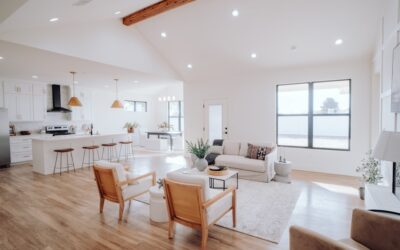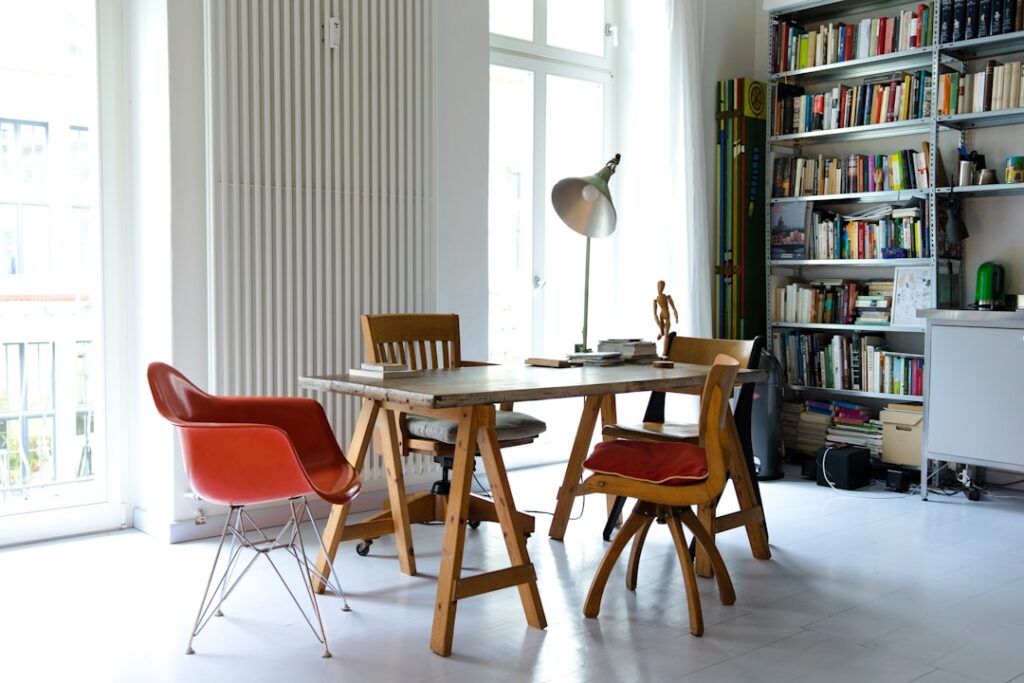
A modern sofa is the centerpiece of any contemporary living room. It sets the tone for your entire space, influences traffic flow, and determines how comfortable your home feels for both daily living and entertaining. With hundreds of styles, materials, and configurations available in 2026, finding the right modern sofa requires understanding your options. This guide covers everything from design styles and upholstery materials to sizing and flooring pairings.
Modern Sofa Styles
The modern sofa category encompasses several distinct design movements. Understanding the differences helps you narrow your search quickly:
| Style | Key Features | Best Room Aesthetic | Price Range |
|---|---|---|---|
| Mid-Century Modern | Tapered legs, clean lines, tufted cushions | Retro, Scandinavian | $800 – $3,000 |
| Contemporary Minimalist | Low profile, simple geometry, neutral tones | Modern, Japanese-inspired | $600 – $2,500 |
| Modular / Sectional | Configurable pieces, L-shape or U-shape | Open concept, family room | $1,200 – $5,000 |
| Scandinavian | Light wood legs, organic curves, muted colors | Nordic, hygge | $700 – $2,500 |
| Industrial Modern | Metal accents, leather, exposed frames | Loft, urban | $900 – $3,500 |
| Bouclé / Curved | Round shapes, textured fabric, cloud-like | Glam, Art Deco revival | $1,000 – $4,000 |
Mid-Century Modern
The perennially popular mid-century modern sofa features splayed or tapered wooden legs (typically walnut or oak), button-tufted back cushions, and a compact frame that sits 14 to 16 inches off the floor. The elevated design creates an airy, spacious feel even in smaller rooms. Iconic proportions include an overall width of 72 to 84 inches, a seat depth of 20 to 22 inches, and a back height of 30 to 34 inches.
Modular / Sectional
Modular sofas consist of individual pieces (typically 3 to 7 sections) that connect together in various configurations. The 2026 trend favors low-profile sectionals with seat heights of 15 to 17 inches and deep seats (24 to 28 inches) designed for lounging. Many modular systems let you add or rearrange pieces as your space evolves, making them a smart long-term investment.
Bouclé & Curved
The bouclé fabric trend continues to dominate in 2026. These sofas feature soft, looped-yarn upholstery and gently curved silhouettes inspired by 1970s and Art Deco designs. They work best as statement pieces in rooms with angular architecture, where the organic curves provide visual contrast.
Upholstery Materials Compared
| Material | Durability (Rubs) | Feel | Pet Friendly | Cleaning Ease | Price Impact |
|---|---|---|---|---|---|
| Performance Fabric | 50,000 – 100,000 | Soft, fabric-like | Excellent | Very Easy | Moderate |
| Top-Grain Leather | 50,000+ | Smooth, ages well | Good | Easy | High |
| Linen | 15,000 – 25,000 | Breathable, natural texture | Poor | Moderate | Moderate |
| Velvet | 20,000 – 50,000 | Luxurious, soft | Fair | Moderate | Moderate-High |
| Bouclé | 15,000 – 30,000 | Textured, cozy | Poor (snags) | Moderate | Moderate-High |
| Microfiber | 50,000+ | Suede-like | Excellent | Very Easy | Low-Moderate |
Durability is measured in Wyzenbeek double rubs. Residential sofas should score at least 15,000 rubs, while heavy-use family sofas need 30,000 or more. Performance fabrics (like Crypton or Sunbrella) are engineered to resist stains, moisture, and UV fading, making them the top choice for families with children or pets.
Top-grain leather develops a beautiful patina over 3 to 5 years that many homeowners consider an asset rather than wear. It is naturally resistant to pet hair (which wipes off easily) but susceptible to scratches from pet claws. Full-grain leather is the highest quality but costs 40% to 60% more than top-grain.
Frame & Cushion Construction
The frame and cushion system determines how long your sofa lasts and how it feels over time:
Frame materials:
- Kiln-dried hardwood (best): Oak, maple, or birch frames dried to 6% to 8% moisture content resist warping and cracking. A hardwood frame sofa lasts 15 to 25 years.
- Engineered hardwood (good): Plywood and particle board combinations are lighter and less expensive. They last 7 to 12 years with normal use.
- Softwood or metal (budget): Pine frames and welded steel frames are found in entry-level sofas. They last 3 to 7 years.
Cushion fills:
- High-resilience (HR) foam: Density of 2.0 to 2.5 lbs/cu ft. Retains shape for 7 to 10 years. The standard for mid-range and premium sofas.
- Down-wrapped foam: HR foam core surrounded by a down/feather envelope. Provides a plush, sink-in feel. Requires weekly fluffing.
- All-down or down-alternative: Ultra-plush but needs daily fluffing and loses shape fastest. Best for decorative or low-use sofas.
- Sinuous spring + foam: S-shaped wire springs topped with foam. Provides bounce and support. Standard in mid-range sofas.
- Eight-way hand-tied springs (premium): Each spring individually tied to the frame in 8 directions. Provides the most consistent, long-lasting support. Adds $200 to $500 to the price.
Sizing Guide
| Sofa Type | Width | Depth | Height | Seats |
|---|---|---|---|---|
| Apartment / Loveseat | 50″ – 64″ | 30″ – 36″ | 28″ – 34″ | 2 |
| Standard 3-Seat | 72″ – 88″ | 32″ – 40″ | 30″ – 36″ | 3 |
| Large 3-Seat | 88″ – 96″ | 36″ – 42″ | 30″ – 36″ | 3 – 4 |
| L-Shaped Sectional | 95″ – 130″ (each side) | 36″ – 42″ | 28″ – 34″ | 5 – 7 |
| U-Shaped Sectional | 110″ – 150″ (center) | 36″ – 42″ | 28″ – 34″ | 7 – 10 |
Measure your room carefully before shopping. Leave at least 18 inches of clearance between the sofa and coffee table for comfortable leg room, and 36 inches of walkway space behind or beside the sofa for traffic flow. Check that all doorways, hallways, and stairways along the delivery path are wide enough. Standard interior doors are 30 to 36 inches wide, so sofas wider than 34 inches may need to tilt or partially disassemble for delivery.
Best Flooring Pairings
The flooring beneath your modern sofa affects both aesthetics and practicality:
Hardwood floors: The classic pairing. Wide-plank hardwood in medium to dark tones creates warmth beneath sleek modern frames. Use felt furniture pads on all legs to prevent scratching, and rotate the sofa’s position every 6 to 12 months to prevent uneven sun fading on the floor.
Luxury vinyl plank: LVP offers the look of hardwood with superior scratch resistance. Ideal under sectionals and modular sofas that get rearranged frequently. The softer surface also absorbs sound better than hardwood.
Tile: Large-format porcelain tile in neutral tones pairs beautifully with industrial modern and contemporary minimalist sofas. Add a large area rug (at least 8 by 10 feet) to soften the space and anchor the seating area.
Carpet: Plush carpet is the coziest option and eliminates the need for felt pads. Choose low-pile carpet under heavy sectionals to prevent the legs from sinking and creating uneven seating. A canopy bed frame in the adjacent bedroom and a modern sofa in the living room create a cohesive design narrative through the home.
Cost Breakdown
| Tier | Price Range (3-Seat) | What You Get | Expected Lifespan |
|---|---|---|---|
| Budget | $300 – $800 | Softwood/metal frame, polyester fabric, basic foam | 3 – 5 years |
| Mid-Range | $800 – $2,000 | Engineered hardwood frame, performance fabric, HR foam | 7 – 12 years |
| Premium | $2,000 – $4,000 | Kiln-dried hardwood, top-grain leather, down-wrapped foam | 12 – 20 years |
| Luxury | $4,000 – $10,000+ | Handcrafted frame, full-grain leather, eight-way hand-tied springs | 20+ years |
The cost-per-year metric reveals the true value. A $1,500 mid-range sofa lasting 10 years costs $150 per year. A $500 budget sofa lasting 3 years costs $167 per year. Investing in quality typically saves money over time while providing a better daily experience.
Care & Maintenance
- Vacuum weekly: Use an upholstery attachment to remove crumbs, dust, and pet hair. This prevents particles from grinding into the fabric and accelerating wear.
- Rotate cushions monthly: Flip and rotate seat and back cushions to distribute wear evenly. This extends cushion life by 30% to 50%.
- Protect from sun: UV rays fade fabric and dry out leather within 6 to 12 months of direct exposure. Use window treatments or UV-filtering film on nearby windows.
- Clean spills immediately: Blot (never rub) liquid spills with a clean white cloth. For performance fabrics, most stains clean with water and mild soap. For leather, use a dedicated leather cleaner.
- Professional cleaning annually: Schedule professional upholstery cleaning once per year ($100 to $250) for fabric sofas. Leather sofas benefit from conditioning every 6 months ($15 to $30 for a quality conditioner).
- Protect your floors too: Keep the area around your sofa clean with regular dust mopping to prevent grit from scratching hardwood or vinyl under the legs.
Where to Buy in 2026
The sofa buying landscape has shifted significantly toward online and hybrid models:
- Direct-to-consumer online brands: Offer mid-range to premium quality at 30% to 40% less than traditional retail by cutting out middlemen. Most offer free shipping, in-home delivery, and 100-day trial periods.
- Traditional furniture stores: Allow you to sit-test before buying, which matters for comfort assessment. Negotiate, as most stores have 20% to 30% markup built into list prices.
- Custom manufacturers: 6 to 12 week lead times but allow you to choose exact dimensions, fabrics, and configurations. Expect 20% to 40% premium over stock items.
- Secondhand & vintage: High-quality mid-century modern sofas hold their value exceptionally well. A professionally reupholstered vintage Scandinavian sofa can cost less than a new premium equivalent while offering superior craftsmanship.
Frequently Asked Questions
What is the most durable modern sofa fabric?
Performance fabrics like Crypton and Revolution rated at 50,000+ double rubs are the most durable options for modern sofas. They resist stains, moisture, and fading while maintaining a soft, natural feel. Top-grain leather is equally durable but requires conditioning every 6 months to prevent cracking.
How long should a modern sofa last?
A quality modern sofa with a hardwood frame and HR foam cushions should last 10 to 15 years with normal use. Premium sofas with eight-way hand-tied springs and down-wrapped cushions can last 20 years or more. Budget sofas with softwood frames typically need replacement within 3 to 5 years.
What size sofa do I need for my living room?
For rooms under 200 square feet, choose a loveseat (50 to 64 inches wide). For 200 to 350 square foot rooms, a standard 3-seat sofa (72 to 88 inches) works well. For rooms over 350 square feet or open-concept spaces, an L-shaped sectional helps define the seating zone and fill the space proportionally.
Are modern sofas comfortable?
Yes, though comfort varies significantly by construction. Modern sofas with seat depths of 22 to 24 inches and HR foam cushions (2.0+ lb density) provide excellent comfort for sitting upright. Deep-seat models (26 to 30 inches) with down-wrapped cushions offer a more relaxed, lounge-style experience. Always sit-test a sofa for at least 10 minutes before committing if possible.
How do I protect my floors from a heavy sofa?
Use felt furniture pads on all legs for hardwood and laminate floors. For vinyl floors, use wide, flat furniture coasters that distribute weight over a larger area. On carpet, no protection is typically needed, but rubber cups prevent the legs from sinking into plush pile. Replace pads every 6 to 12 months as they compress and lose effectiveness.
What color modern sofa is most versatile?
Medium gray is the most versatile modern sofa color in 2026. It works with virtually any wall color, rug, and accessory palette. Warm taupes and charcoals are close seconds. If you want a bolder look, deep navy or forest green are trending colors that still pair well with most decor styles.
Last updated: March 2026