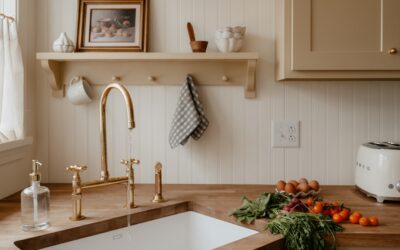
Fresh modern wainscoting ideas take a traditional architectural detail and reinvent it with clean lines, bold geometry, and contemporary materials that fit today’s homes. Instead of ornate raised panels, modern wainscoting leans into flat panels, vertical slats, oversized grids, and painted trim that adds texture and depth without feeling fussy. Whether you want to elevate a dining room, add warmth to a bedroom, or make an entryway memorable, these ideas show how to bring wall paneling into a modern aesthetic. This guide covers the most popular styles, height and proportion rules, materials, colors, and how to install it yourself.
- What Makes Wainscoting "Modern"
- Slat Wall Wainscoting
- Flat Panel (Shaker-Inspired) Wainscoting
- Geometric and Grid Patterns
- Height and Proportion Rules
- Best Materials for Modern Wainscoting
- Color Ideas That Feel Current
- Where to Use It Room by Room
- DIY Installation Basics
- Common Mistakes to Avoid
- Mixing Wainscoting With Other Wall Treatments
- Budget and Cost Expectations
What Makes Wainscoting “Modern”
Traditional wainscoting features detailed raised panels, heavy chair rails, and intricate molding profiles. Modern wainscoting strips that back to essentials: simple flat surfaces, crisp geometric shapes, minimal or square-edged trim, and often a monochromatic paint scheme where the paneling and wall are the same color. The effect is architectural texture rather than ornamentation, letting the play of light and shadow across clean shapes do the work. This restraint is what makes it feel current rather than old-fashioned.
Slat Wall Wainscoting
Vertical slat walls are one of the hottest modern paneling looks. Thin wood strips (often 1 to 2 inches wide) run vertically with even gaps between them, creating a rhythmic, warm, texture-rich surface. Ideas to use it:
- Run slats to a chair-rail height as lower wainscoting, or full-height behind a bed or media wall.
- Use natural wood tones like white oak or walnut for warmth against neutral walls.
- Paint slats a single moody color for a dramatic, tonal effect.
- Use pre-made slat panels (like acoustic slat panels with felt backing) for faster installation and sound absorption.
Slat walls suit modern, Scandinavian, and Japandi interiors especially well.
Flat Panel (Shaker-Inspired) Wainscoting
Flat panel wainscoting uses simple square or rectangular frames made of thin, flat trim applied to the wall, with no raised center. It reads as clean and tailored. Modern takes on it:
- Use square-edge or pencil-thin trim rather than ornate molding for the crispest look.
- Keep panel proportions consistent and slightly taller than wide for a contemporary feel.
- Paint the entire installation, wall, panels, and trim, one uniform color for a seamless, architectural result.
- Extend it two-thirds up the wall or full height for a bolder statement than traditional chair-rail height.
Geometric and Grid Patterns
For a truly modern look, break from rows of identical rectangles and use geometric arrangements:
- Oversized grid: Large square panels in a clean grid, minimal and gallery-like.
- Vertical board and batten: Evenly spaced vertical battens for height and simplicity.
- Asymmetric or mixed-size panels: A deliberate, art-like composition of different rectangle sizes.
- Diagonal or herringbone accents: Angled trim for a bold focal wall.
These patterns turn a plain wall into a design feature and photograph beautifully in dining rooms, offices, and entryways.
Height and Proportion Rules
Getting the height right is what separates a polished look from an awkward one. Guidelines:
- Classic lower wainscoting: About one-third of the wall height, roughly 32 to 36 inches on an 8-foot wall.
- Two-thirds height: A modern, dramatic proportion that makes rooms feel considered.
- Full height: Slat and grid treatments often run floor to ceiling for maximum impact.
- Avoid the exact midpoint: A panel line at half the wall height looks static; go one-third or two-thirds.
Relate the top line to existing elements like window sills and door heights so the room feels cohesive.
Best Materials for Modern Wainscoting
Material choice affects cost, durability, and look:
- MDF trim and panels: Affordable, smooth, and paint-ready, the go-to for painted flat-panel and grid designs. Avoid in wet areas.
- Solid wood and plywood slats: For natural wood-tone slat walls; white oak and walnut are popular.
- PVC and moisture-resistant panels: For bathrooms and other damp spaces.
- Peel-and-stick or pre-made panel kits: Fast, renter-friendly options for a modern grid without custom carpentry.
For most painted modern wainscoting, MDF or primed trim over drywall is the practical, budget-friendly choice.
Color Ideas That Feel Current
Color is where modern wainscoting really lands. Trending approaches:
- Tonal monochrome: Paint the wall and paneling the same rich color (deep green, navy, charcoal, or warm greige) so shadows define the panels. This is the signature modern look.
- Warm naturals: Unpainted wood slats against off-white walls for organic warmth.
- Soft muted tones: Sage, clay, mushroom, and putty for a calm, contemporary feel.
- High contrast: Black paneling against white walls for a graphic, architectural statement.
Use eggshell or satin sheen on the paneling so it wipes clean and highlights the dimensional shapes.
Where to Use It Room by Room
- Dining room: Two-thirds-height flat panels or a grid for a refined focal wall.
- Bedroom: Full-height slats or panels behind the bed as a headboard wall.
- Entryway and hallway: Lower wainscoting that hides scuffs and adds welcome.
- Home office: A moody tonal grid behind the desk for video-call backdrops.
- Bathroom: Moisture-resistant flat panels or beadboard-alternative slats.
- Stairway: Panels that step with the stairs for architectural flow.
DIY Installation Basics
Most modern wainscoting is well within DIY reach with basic tools:
- Plan the layout on paper, calculating panel sizes and spacing so they are even across the wall.
- Mark a level top line and locate studs.
- Cut trim or slats with a miter saw for clean joints.
- Attach with construction adhesive and a brad nailer into studs where possible.
- Fill nail holes with wood filler, caulk all edges and seams for a seamless painted look, and sand smooth.
- Prime bare MDF or wood, then paint with two coats in your chosen color and sheen.
Caulking every seam and filling every nail hole is the step that makes DIY wainscoting look professionally built.
Common Mistakes to Avoid
- Uneven panel spacing: Plan the layout so panels are symmetric; eyeballing it shows.
- Panel line at the wall midpoint: Choose one-third or two-thirds height instead.
- Skipping caulk and filler: Gaps and holes make it look like a DIY afterthought.
- Overly ornate trim: Heavy molding reads traditional, not modern; keep it flat and simple.
- Wrong material in wet areas: MDF swells in bathrooms; use PVC or moisture-resistant panels.
- Ignoring existing sightlines: Relate the top line to windows and doors.
Mixing Wainscoting With Other Wall Treatments
Modern designs often layer wainscoting with complementary treatments for depth and personality:
- Wainscoting plus wallpaper: A paneled lower wall with a bold patterned wallpaper above adds pattern without overwhelming the room.
- Slats plus integrated lighting: LED strip lighting behind or above a slat wall creates a dramatic, contemporary glow, ideal for media walls and headboards.
- Panels plus floating shelves or art ledges: Mounting shelves over flat-panel wainscoting turns it into a functional display wall.
- Two-tone paint: Painting the wainscoting a different shade than the wall above adds contrast, though tonal monochrome remains the most modern approach.
The key to keeping combinations feeling modern rather than busy is restraint: pair one bold element with quieter surroundings so the eye has somewhere to rest.
Budget and Cost Expectations
Modern wainscoting is refreshingly affordable for the impact it delivers, especially as a DIY project. Rough costs for a single accent or feature wall:
- MDF or primed trim for flat-panel and grid designs: roughly $1.50 to $4 per square foot in materials.
- Wood slat walls: roughly $3 to $8 per square foot depending on species, with pre-made slat panels at the higher end.
- Peel-and-stick or panel kits: roughly $2 to $6 per square foot, with fast installation.
A typical accent wall runs $100 to $500 in materials for DIY, plus paint. Hiring a carpenter and painter adds labor but still lands well below the cost of most renovations, making wainscoting one of the highest-impact, lowest-cost ways to add architectural character to a room.
These modern wainscoting ideas prove that a classic detail can feel fresh and current with the right lines, proportions, and color. Whether you choose warm vertical slats, crisp flat panels, or a bold geometric grid, keep the trim simple, mind the height rules, and consider a tonal monochrome paint scheme, and you will add architectural character that makes any room look custom and thoughtfully designed.