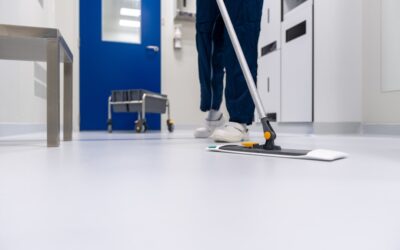
Mopping hardwood floors requires a different approach than mopping tile or vinyl. Too much water causes warping and finish damage. The wrong mop can scratch the surface. And the wrong cleaning solution can leave residue that dulls your floor over time. Choosing the right mop is the foundation of proper hardwood floor care.
- Why Hardwood Floors Need Special Mops
- Best Mop Types for Hardwood Floors
- What to Avoid on Hardwood Floors
- Proper Mopping Technique for Hardwood
- Step 1: Remove Loose Debris First
- Step 2: Apply Minimal Moisture
- Step 3: Mop With the Grain
- Step 4: Work in Sections
- Step 5: Dry Immediately If Needed
- Step 6: Clean Your Mop Pad
- How Often Should You Mop Hardwood Floors?
- Budget Mopping Setup for Hardwood
- Final Thoughts
This guide covers the best mop types for hardwood floors, specific product recommendations, what to avoid at all costs, and the proper mopping technique that keeps your floors looking their best. For broader hardwood care information, visit our hardwood flooring guide.
Why Hardwood Floors Need Special Mops
Hardwood floors have a protective finish — usually polyurethane — that shields the wood from moisture, stains, and wear. This finish is durable but not invincible. Excess water can seep through seams between boards, penetrate micro-scratches in the finish, and reach the raw wood underneath. Once moisture reaches unfinished wood, it causes swelling, cupping, and potential mold growth.
The ideal mop for hardwood delivers just enough moisture to dissolve dirt and grime, picks it up effectively, and leaves the floor nearly dry within minutes. This rules out many mop types that work fine on waterproof surfaces like tile and vinyl but can damage hardwood.
Best Mop Types for Hardwood Floors
Spray Mops
Spray mops are the top recommendation for hardwood floors. They feature a built-in reservoir and trigger mechanism that sprays a controlled mist of cleaning solution directly onto the floor. A microfiber pad on the mop head then cleans the dampened surface.
The key advantage of spray mops is moisture control. You apply exactly the amount of liquid needed — a light mist — rather than dunking a mop in a bucket and hoping you wrung it out enough. This precise application minimizes moisture exposure, which is exactly what hardwood floors need.
Top Spray Mop Picks
Bona Premium Spray Mop: The benchmark spray mop for hardwood. It comes with Bona’s pH-neutral hardwood floor cleaner in a refillable cartridge and includes a washable microfiber pad. The 16.5-inch mop head swivels for easy maneuvering, and the trigger provides a fine, even mist. The refillable cartridge and washable pad make it economical over time. Price: $30 to $40.
Swiffer PowerMop: Swiffer’s more advanced mopping system uses a built-in spray mechanism and absorbent pads. The PowerMop delivers more cleaning power than the standard Swiffer WetJet, with a textured pad that scrubs light grime. However, the pads are disposable and the solution bottles are not refillable, increasing ongoing costs. Swiffer’s Wood-specific solution is available but not as universally trusted as Bona’s formula for hardwood. Price: $25 to $35 for the starter kit.
O-Cedar ProMist MAX: A versatile spray mop with a reusable bottle that you fill with any cleaning solution you choose. Its dual-sided microfiber pad can be flipped for extended use between washes. The mop head is slightly wider than the Bona, covering more area per pass. An excellent choice if you want flexibility in cleaning solution selection. Price: $25 to $35.
Microfiber Flat Mops
Microfiber flat mops are the second-best option for hardwood floors and serve as an excellent companion to a spray mop. These mops use a flat, rectangular head with a removable microfiber pad. For hardwood, you lightly dampen the pad (or spray cleaner on the floor) and mop in straight lines along the wood grain.
Microfiber is an excellent material for hardwood because the fine fibers trap and hold dirt particles rather than pushing them around. This reduces the scratching risk that comes from dragging grit across a finished surface. The flat mop head distributes pressure evenly, preventing the concentrated wear that round mop heads can cause.
Top Microfiber Flat Mop Picks
O-Cedar EasyWring Spin Mop (microfiber version): While technically a spin mop, the O-Cedar EasyWring deserves mention because its foot-pedal wringing mechanism allows you to control moisture levels precisely. Spin it more for a nearly dry mop, spin it less for more moisture. The triangular microfiber head reaches into corners well. For hardwood, always spin aggressively to ensure the mop is barely damp. Price: $30 to $40.
Turbo Microfiber Mop: A simple, affordable flat mop with washable microfiber pads. No frills — just a sturdy handle, a 18-inch flat head, and effective microfiber pads. Works well for daily dry dusting and weekly damp mopping. Price: $25 to $35 with multiple pads.
Bona Microfiber Floor Mop: Bona’s non-spray flat mop uses the same microfiber pad technology as their spray mop. Pair it with a spray bottle of Bona cleaner for a budget-friendly alternative to the full spray mop system. Price: $20 to $30.
What to Avoid on Hardwood Floors
Steam Mops
Steam mops are the number one enemy of hardwood floors. Despite marketing claims from some manufacturers, steam mops force hot moisture into wood grain and finish seams. The high temperature causes the finish to cloud, soften, and eventually peel. Moisture penetrates between boards and causes swelling.
Nearly every major hardwood flooring manufacturer — including Bruce, Shaw, Mohawk, and Bona — explicitly warns against steam mop use on hardwood floors. Using a steam mop will void most hardwood floor warranties. No matter how convenient they seem, steam mops and hardwood floors do not mix.
Traditional String Mops
The classic string mop (also called a strand mop or cotton mop) is a poor choice for hardwood for several reasons. String mops hold too much water, even after wringing. They cannot be wrung dry enough to be safe for hardwood surfaces. The excess water pools on the floor, seeps into seams, and takes too long to dry.
String mops also push dirt around rather than trapping it. On hardwood floors, this means grit gets dragged across the finish, creating micro-scratches that dull the surface over time. String mops are designed for tile, concrete, and other waterproof surfaces — not wood.
Sponge Mops
Sponge mops share the same problems as string mops: excessive water retention and poor dirt trapping. The rectangular sponge head holds more water than hardwood can safely tolerate, even after wringing. Sponge mops can also trap grit in the sponge pores and drag it across the floor, causing scratches. Avoid these for hardwood.
Excess Water (Any Method)
The common thread is water volume. Any mopping method that leaves visible standing water on your hardwood floor — even briefly — risks damage. The floor should appear slightly damp after mopping, not wet. If water pools or beads on the surface, you are using too much moisture.
Proper Mopping Technique for Hardwood
Even with the right mop, technique matters. Follow these steps for safe, effective hardwood mopping.
Step 1: Remove Loose Debris First
Always sweep or vacuum before mopping. Loose dirt, sand, and grit are abrasive. If you mop over these particles, you grind them into the finish, creating scratches. A quick sweep or vacuum pass takes two minutes and prevents a lot of long-term damage.
When vacuuming before mopping, use a hard-floor attachment or turn off the brush roll. Spinning brush rolls on a vacuum can scratch hardwood finishes.
Step 2: Apply Minimal Moisture
If using a spray mop, spray a light mist — not a puddle. One or two trigger squeezes per 4-foot section is sufficient. If using a microfiber flat mop with a separate spray bottle, spray the cleaner directly onto the floor (not the mop) in a light, even mist.
If using a bucket-dampened microfiber mop, wring the mop until it is barely damp. A good test: press the mop pad firmly against the floor. If water appears around the edges, the mop is too wet. Wring it more.
Step 3: Mop With the Grain
Always mop in the direction of the wood grain (the long direction of the planks). Mopping across the grain pushes dirt and moisture into the seams between boards. Mopping with the grain keeps moisture on the surface and allows the mop to travel along the smooth surface of each plank.
Step 4: Work in Sections
Clean the floor in manageable sections — roughly 4 x 6 feet at a time. Spray, mop, and move on. Do not spray the entire room and then try to mop it all at once. Working in sections ensures the cleaner does not sit on the floor too long before being mopped up.
Step 5: Dry Immediately If Needed
After mopping a section, glance back. If you see any remaining moisture or streaks, run a dry microfiber cloth or the dry side of your mop pad over the area. The floor should look dry within one to two minutes of mopping.
Step 6: Clean Your Mop Pad
A dirty mop pad redistributes dirt rather than removing it. Flip the pad halfway through cleaning a room, and wash it after every one to two cleaning sessions. Use warm water without fabric softener, which coats microfiber strands and reduces their dirt-trapping ability.
How Often Should You Mop Hardwood Floors?
Mopping frequency depends on household traffic and activity.
Kitchens and entryways: Once a week. These areas accumulate cooking splatter, tracked-in dirt, and foot traffic residue quickly. Weekly mopping prevents buildup.
Living rooms and hallways: Every one to two weeks. These areas see regular traffic but less mess than kitchens. Bi-weekly mopping keeps them looking fresh.
Bedrooms and offices: Once or twice a month. Lower traffic means less grime. Regular dry sweeping or vacuuming between moppings is sufficient to maintain cleanliness.
Guest rooms and low-traffic areas: Monthly. A monthly damp mop prevents dust buildup from creating a dingy appearance.
Remember that daily or every-other-day dry sweeping or dust mopping is more important than frequent wet mopping. Removing grit before it gets ground into the finish is the single most effective maintenance practice for hardwood floors.
Budget Mopping Setup for Hardwood
If you do not want to invest in a spray mop system, here is a budget-friendly approach that works well for hardwood floors.
Equipment: A basic microfiber flat mop ($15 to $25), a spray bottle ($3), and Bona Hardwood Floor Cleaner refill ($18 to $22 for 128 ounces).
Method: Fill the spray bottle with Bona cleaner. Spray a light mist on a 4 x 6 foot section of floor. Mop with the microfiber pad. Repeat. Total setup cost: approximately $36 to $50, with the cleaner refill lasting months.
This approach gives you the same cleaning results as a spray mop system at a lower upfront cost. The only trade-off is the slight inconvenience of carrying a separate spray bottle instead of having it built into the mop handle.
Final Thoughts
The best mop for hardwood floors is one that applies minimal moisture, traps dirt effectively, and leaves your floor dry within minutes. Spray mops and microfiber flat mops meet these requirements. String mops, sponge mops, and steam mops do not. Invest in the right tool, follow proper technique, and your hardwood floors will reward you with years of beautiful, damage-free performance.
Prefer to explore on your own?
See how new flooring looks in your actual room in seconds — free, no signup.
Try the free Floor Studio →