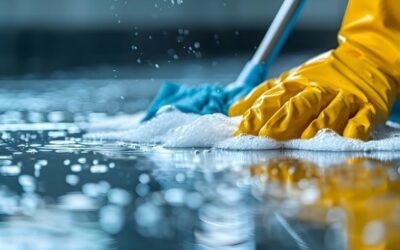
Mopping is the chore most people put off the longest, which is exactly why a professional mop service has become a popular add-on with house cleaning companies. Whether you have 2,000 square feet of hardwood, a tile-heavy kitchen, or you simply lack the time and energy, hiring out your floor cleaning can be money well spent, provided you understand what you are paying for and how to protect your floors in the process.
This guide explains what a mop service actually covers, what it costs, and how to choose one that will not damage your specific flooring.
What a Professional Mop Service Includes
A standalone mop service or the mopping portion of a general cleaning typically includes sweeping or vacuuming first to remove grit, then wet-mopping all hard-surface floors with an appropriate cleaner. Good crews work in sections, change their mop water frequently, and use a flat microfiber mop rather than a sopping string mop that just pushes dirty water around.
Many services also spot-clean baseboards, get into corners by hand, and dry high-traffic walkways to prevent slips. Always confirm whether they bring their own equipment and solutions or expect you to supply them.
Typical Costs and Pricing Models
Pricing varies by region and home size, but here are realistic ranges:
- Add-on to a regular cleaning: often included, or $15 to $40 extra for large floor areas
- Standalone floor mopping visit: $50 to $120 for an average home
- Hourly rate: $25 to $50 per cleaner per hour
- Deep floor cleaning (tile and grout): $0.50 to $1.50 per square foot
Recurring service usually earns a discount versus one-time visits. A biweekly mop service for a typical 1,500-square-foot home often lands around $60 to $90 per visit.
Matching the Method to Your Floor Type
This is where an inexperienced cleaner can do real damage. Different floors demand different approaches, and the wrong method voids warranties or warps materials:
- Hardwood: Damp mop only, never wet. Standing water swells wood and dulls the finish. Use a pH-neutral wood cleaner.
- Laminate: Barely damp microfiber. Water seeping into seams causes the core to swell and the edges to peel.
- Luxury vinyl and tile: The most forgiving. These handle wet mopping and most neutral cleaners well.
- Natural stone (marble, travertine): Never use vinegar or acidic cleaners, which etch the surface. Stone-specific pH-neutral cleaner only.
Tell the cleaning crew exactly what flooring you have in each room and confirm they will adjust their products accordingly.
Questions to Ask Before You Hire
Vet a service before letting them loose on your floors. Ask whether they are insured and bonded in case of damage, what cleaning products they use, and whether they will use a separate mop for bathrooms versus kitchens to avoid cross-contamination.
Also ask how often they change mop water or mop pads. A crew that uses one bucket for the whole house is just relocating dirt. Reputable services swap to fresh water every couple of rooms and use disposable or freshly laundered microfiber pads.
DIY vs. Hiring: Is It Worth It?
If you enjoy a clean floor but hate the task, the math often favors hiring help. A quality flat mop system like the Bona Premium Spray Mop costs $40 to $50 and lets you do hardwood yourself in 20 minutes. For tile and large open floors, though, professionals with the right pads and pace simply do it faster and more thoroughly.
The strongest case for a paid mop service is deep cleaning grout lines and large tile areas, which is brutal on the knees and time-consuming by hand. For that job specifically, the per-square-foot pricing usually pays for itself in saved effort.
Getting the Best Results
To get your money’s worth, clear small items and rugs off the floor before the crew arrives so they spend their time mopping, not tidying. Point out problem spots like pet accidents or sticky kitchen zones, and mention any floors that must stay dry.
A good mop service, matched correctly to your flooring and used on a regular schedule, keeps your floors looking new and frees you from one of the least enjoyable household chores. Just protect your investment by confirming products and methods up front, especially if you have hardwood, laminate, or natural stone.
One-Time vs. Recurring Service
How often you book changes the value equation. A one-time deep mop is ideal before hosting a party, after a renovation, or when moving in or out of a home. These visits cost more per session, often $80 to $150, because they include heavy scrubbing and detail work that a maintenance visit skips.
Recurring service, weekly, biweekly, or monthly, costs less per visit and keeps grime from ever building up, which actually protects your floor finish over the long run. Most companies require a minimum commitment for the discounted recurring rate, so ask whether you can cancel or pause without penalty if your schedule changes.
Beyond routine mopping, many companies offer specialty treatments worth knowing about. Tile and grout deep cleaning uses high-pressure equipment and alkaline cleaners to lift years of buildup from grout lines, often followed by a sealer application to keep them clean longer. This typically runs $0.75 to $2 per square foot.
Hardwood floors can be professionally deep-cleaned and re-coated with a maintenance finish, a service sometimes called screen-and-recoat, that restores shine without a full sanding. Stone floors may need periodic honing or polishing. If your floors need more than surface dirt removed, ask whether the company has the equipment and training for these specialized jobs or whether you need a dedicated floor-care contractor.
Protecting Floors Between Visits
The work a professional crew does lasts longer when you maintain it. Place walk-off mats at every exterior door to trap grit before it scratches the floor, and adopt a no-shoes policy to cut tracked-in dirt dramatically. Felt pads under furniture legs prevent the scuffs that no amount of mopping can buff out.
Wipe spills promptly, especially on wood and laminate, and do a quick dry sweep or vacuum a couple of times a week to keep abrasive debris off the surface. These small habits stretch the time between professional cleanings and keep your floors looking their best year-round.