Here is a fact that surprises most homeowners: the bamboo under your feet is technically a grass, yet the right product can be harder than oak, maple, or even hickory. Nearly all quality bamboo floors are made from a single species, and moso bamboo flooring (Phyllostachys edulis) is the gold standard because moso grows fast, dense, and tall enough to mill into durable planks. This guide covers how hard it really is, the difference between strand-woven and solid construction, its sustainability story, and what it costs in 2026.
- What Makes Moso Bamboo Special
- Strand-Woven vs. Solid Bamboo
- How Hard Is Moso Bamboo? The Janka Numbers
- Real Pricing for Moso Bamboo
- Installation and Acclimation
- Pros of Moso Bamboo Flooring
- The Drawbacks to Weigh
- Natural vs. Carbonized: Color and Strength
- Caring for a Bamboo Floor
- Is Bamboo Right for Your Home?
- How Bamboo Compares to Hardwood and Laminate
- Final Take
What Makes Moso Bamboo Special
Moso bamboo is the species behind the vast majority of bamboo flooring worldwide. It reaches harvest maturity in just five to seven years, compared to the 40 to 60 years a hardwood tree needs, and it regrows from the same root system without replanting. That fast, renewable growth is what gives bamboo its green reputation. Dense moso culms also mill into planks that rival or exceed traditional hardwoods in hardness when processed correctly.
Strand-Woven vs. Solid Bamboo
Construction is the single biggest quality factor. There are two main types:
- Strand-woven bamboo: shredded fibers compressed under extreme heat and pressure with resin, producing an exceptionally hard, dense plank.
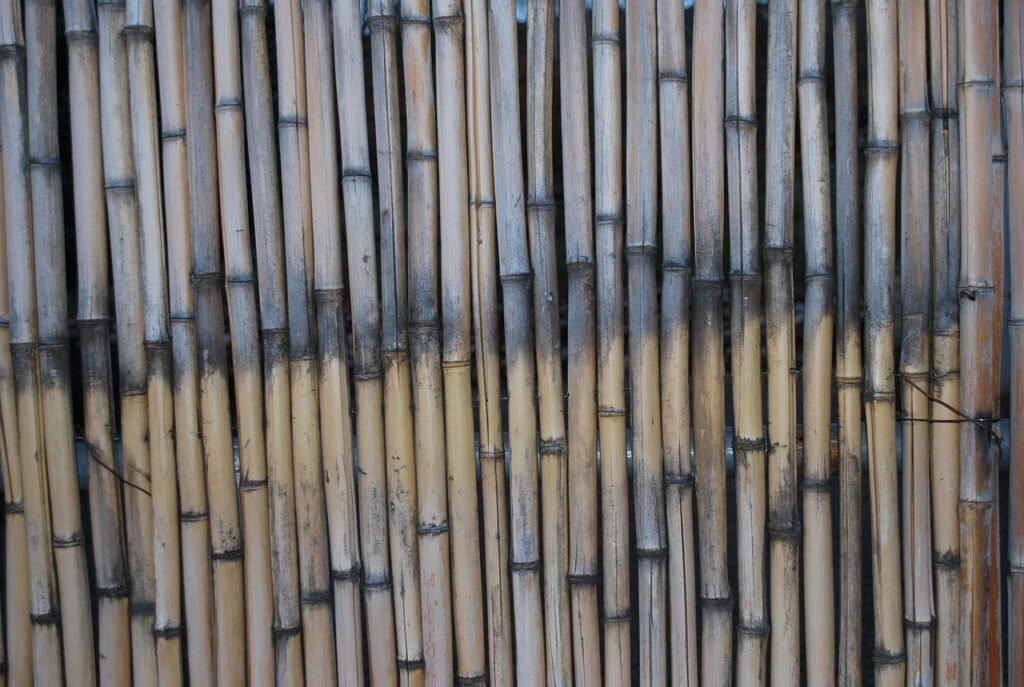
- Solid (horizontal or vertical) bamboo: bamboo strips glued flat or on edge, softer and showing the classic node pattern.
For durability, strand-woven wins by a wide margin. Solid bamboo offers the traditional knuckle look but dents more easily, so most buyers prioritizing toughness choose strand-woven.
How Hard Is Moso Bamboo? The Janka Numbers
Hardness is where strand-woven moso shines. On the Janka scale:
- Solid horizontal bamboo: roughly 1,380, similar to white oak.
- Strand-woven bamboo: 3,000 to 5,000 depending on the product.
For comparison, red oak is 1,290 and hickory is 1,820. A quality strand-woven moso floor can be more than twice as hard as oak, making it genuinely dent-resistant for high-traffic homes with pets and kids.
Real Pricing for Moso Bamboo
Bamboo competes well on price. Expect these 2026 ranges:
- Solid bamboo: $3 to $5 per sq ft
- Strand-woven bamboo: $4 to $7 per sq ft
- Engineered bamboo (over plywood core): $4 to $8 per sq ft
- Installation: $3 to $6 per sq ft
A 400-square-foot room in strand-woven moso runs roughly $2,800 to $5,200 installed, often cheaper than comparable solid hardwood. Order 7 to 10 percent extra for waste.
Installation and Acclimation
Bamboo installs much like hardwood, with nail-down, glue-down, or floating click-lock options depending on the product. Like wood, it is sensitive to humidity, so acclimate the planks in the room for 48 to 72 hours and keep indoor humidity between 35 and 55 percent. Engineered bamboo over a plywood core is the most stable choice for basements and slabs, while solid bamboo belongs on or above grade.
Pros of Moso Bamboo Flooring
Bamboo earns its growing popularity for solid reasons.
- Strand-woven moso is harder than most hardwoods, resisting dents and scratches.
- Rapidly renewable, with a genuinely strong sustainability story.
- Often cheaper than comparable solid hardwood.
- Can be sanded and refinished, unlike laminate or vinyl, depending on thickness.
- Distinctive, clean modern look.
The Drawbacks to Weigh
Bamboo is not flawless. Quality varies enormously between manufacturers, and cheap products can use formaldehyde-heavy adhesives, so look for low-VOC, FloorScore-certified planks. Like all wood-based floors, it reacts to humidity swings and can gap or cup if conditions are not controlled. Color choices are more limited than hardwood, and carbonized (darker) bamboo is softer than natural because the heat treatment that darkens it also weakens the fibers.
Natural vs. Carbonized: Color and Strength
Bamboo comes in two base colors that affect both look and durability. Natural bamboo keeps its pale, blond tone and retains full hardness. Carbonized bamboo is steam-heated to a richer caramel brown, but that heat treatment softens the fibers, lowering the Janka rating noticeably compared to natural of the same construction. If you want a darker floor, you can stain natural strand-woven bamboo to get the color without the strength penalty, or accept that carbonized will dent more easily. For high-traffic homes, natural strand-woven is the most durable choice.
Caring for a Bamboo Floor
Bamboo maintenance mirrors hardwood. Sweep or vacuum regularly to clear grit, and damp-mop with a cleaner formulated for bamboo or hardwood, never a wet mop or steam, both of which drive moisture into the seams. Use felt pads under furniture and avoid dragging heavy items across the surface. Keep indoor humidity stable between 35 and 55 percent to prevent gapping or cupping. Depending on wear-layer thickness, many solid and strand-woven bamboo floors can be sanded and refinished once or twice, extending their life well beyond laminate or vinyl.
Is Bamboo Right for Your Home?
Bamboo suits homeowners who want hardwood-like warmth, strong durability, and a genuine sustainability story at a competitive price. It works in living rooms, bedrooms, hallways, and offices. It is less ideal for bathrooms, laundry rooms, or anywhere water pools, since like all wood-based floors it is not waterproof. If your priority is a green, hard, refinishable floor for dry living areas, bamboo is an excellent fit; if you need waterproof performance, LVP or tile is the better match.
How Bamboo Compares to Hardwood and Laminate
Cross-shopping helps put bamboo in context. Against solid hardwood, strand-woven bamboo is often harder and cheaper, with a comparable refinishable lifespan, though hardwood offers a wider range of traditional looks. Against laminate, bamboo is real, refinishable, and more eco-friendly, while laminate is cheaper and offers more printed styles but cannot be sanded. Against luxury vinyl, bamboo wins on authenticity and sustainability but loses on waterproofing. For dry living areas where you want genuine material and hardness, bamboo competes well with hardwood at a lower price; for wet rooms, the vinyl and tile alternatives are safer.
Final Take
For homeowners who want a hard, sustainable, affordable floor, moso bamboo flooring is a genuinely strong option, especially in strand-woven form. Choose strand-woven for maximum hardness, verify low-VOC certification, acclimate properly, and budget $4 to $7 per square foot installed. Match the construction to your space and you will get a floor that outperforms oak on hardness while telling a much greener story.
Prefer to explore on your own?
See how new flooring looks in your actual room in seconds — free, no signup.
Try the free Floor Studio →