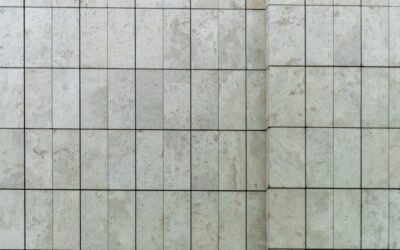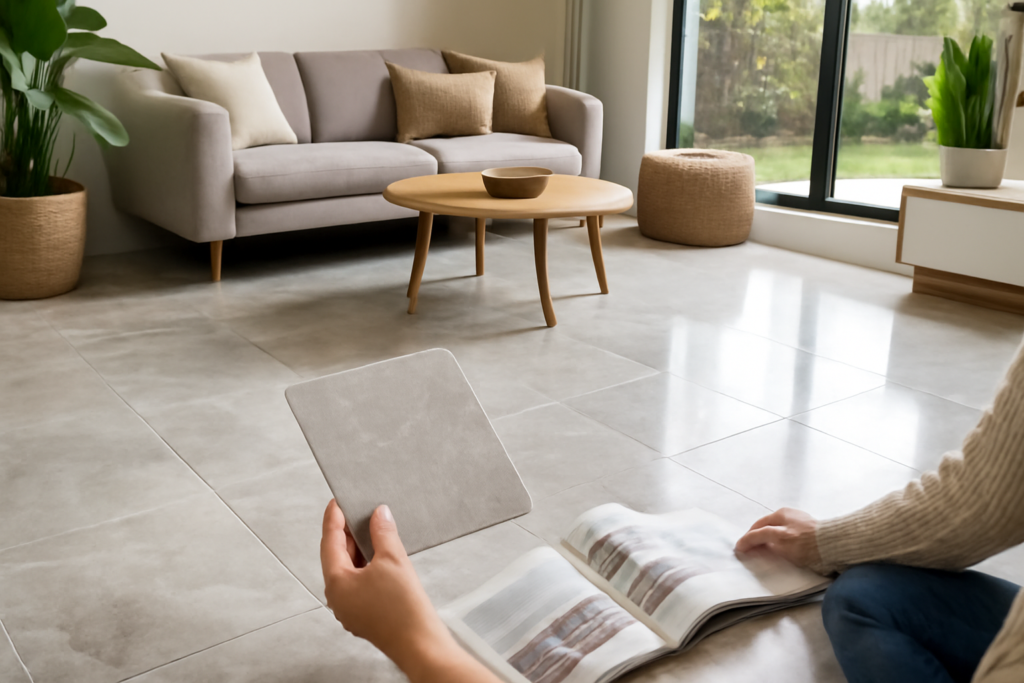
If you are shopping for natural stone at a big-box store or a local tile showroom, MSI marble tile is almost certainly on the sample board in front of you. MSI (originally Marble Systems Inc., now MS International) is one of the largest importers and distributors of natural stone, porcelain, and quartz in North America, and its marble collections show up in kitchens, bathrooms, and entryways across the country.
- Who MSI Is and Why the Brand Matters
- Popular MSI Marble Tile Collections
- Finishes: Polished, Honed, and Tumbled
- MSI Marble Tile Pricing and Sizes
- Sealing and Maintaining Your MSI Marble Tile
- Where MSI Marble Tile Works Best
- MSI Marble Tile vs. Marble-Look Porcelain
- Installation Tips That Prevent Costly Mistakes
- Final Thoughts on MSI Marble Tile
This guide breaks down what MSI actually sells, how the popular lines differ, what you should budget, and the practical steps that keep a marble floor or wall looking sharp for decades. Marble is a beautiful but demanding material, so knowing the details before you buy saves you money and regret.
Who MSI Is and Why the Brand Matters
MSI does not quarry stone itself. It sources marble from Italy, Turkey, Greece, and other regions, then processes, grades, and distributes it through roughly 40 U.S. distribution centers plus retail partners like The Home Depot and Floor & Decor. Because MSI buys at massive volume, its pricing tends to run 10 to 25 percent below boutique stone yards for comparable material.
The trade-off is that you are buying a graded commodity rather than hand-selecting a specific block. For most homeowners that is fine, but it means lot-to-lot color variation is real. Always buy your full quantity from a single lot number, and add 10 to 15 percent overage for cuts and future repairs. Reordering months later can produce a noticeably different shade.
Popular MSI Marble Tile Collections
MSI groups its marble under recognizable names, most tied to the classic quarries the stone imitates or comes from. Knowing the marquee lines helps you compare showroom samples quickly.
Carrara and Calacatta
Carrara (marketed as “Carrara White”) is the gray-veined workhorse: soft white-to-gray background with fine, feathery gray veining. It is the most affordable MSI marble, commonly stocked in 12×12, 12×24, and mosaic sheets. Calacatta runs brighter white with bolder, more dramatic gray-to-gold veins and costs meaningfully more because true Calacatta is rarer.
Greecian White and Arabescato
Greecian White is MSI’s popular Greek marble, similar in look to Carrara but often a touch whiter. Arabescato features sweeping, high-contrast veining that reads more luxurious and is a frequent pick for statement shower walls and fireplace surrounds.
Emperador and Crema Marfil
For warmer palettes, Emperador (brown) and Crema Marfil (creamy beige) give you earth tones that hide foot traffic and dust better than the cool whites. These pair well with bronze fixtures and wood cabinetry.
Finishes: Polished, Honed, and Tumbled
The same MSI marble looks and behaves very differently depending on its surface finish, so this choice matters as much as the color.
- Polished — glossy, reflective, and the most stain-resistant of the three because the tight surface slows absorption. It also shows etch marks and water spots most clearly, and it gets slippery when wet.
- Honed — a smooth matte finish that hides etching far better and offers more slip resistance. It is the smart choice for bathroom and kitchen floors, but the open surface absorbs stains faster and needs diligent sealing.
- Tumbled — softened, rounded edges with a rustic, textured face. Great for backsplashes and old-world looks, but the porous surface demands frequent sealing.
MSI Marble Tile Pricing and Sizes
Expect MSI marble tile to land roughly in these ranges, before installation:
- Carrara / Greecian White field tile: about $5 to $9 per square foot
- Calacatta and Arabescato: about $9 to $18 per square foot
- Marble mosaics (hexagon, herringbone, basketweave): $10 to $25 per square foot
- Emperador and Crema Marfil: about $6 to $12 per square foot
Common formats include 12×12, 12×24, 18×18, 4×12 subway, and pre-set mosaic sheets on 12×12 mesh. Professional installation typically adds $8 to $15 per square foot because natural stone requires careful layout, back-buttering, and often a wet saw with a diamond blade to avoid chipping.
Sealing and Maintaining Your MSI Marble Tile
Marble is calcium carbonate, which means acids etch it. A splash of lemon juice, wine, coffee, or an acidic cleaner will leave a dull spot even on sealed stone, because sealer prevents staining, not etching. Set expectations accordingly.
Seal every MSI marble installation before grouting and again after, using a quality penetrating sealer such as Miracle Sealants 511 Impregnator or MAPEI’s stone sealers. Test absorption by dripping water on the surface: if it darkens within a few minutes, it needs another coat. Reseal floors annually and lighter-use areas every 2 to 3 years.
For daily cleaning, use only pH-neutral stone cleaners or a few drops of dish soap in warm water. Never use vinegar, bleach, or generic bathroom sprays. Wipe spills immediately, use mats at entries, and place felt pads under furniture to prevent scratches on floor tile.
Where MSI Marble Tile Works Best
Marble rewards you in the right spots and punishes you in the wrong ones. Bathroom floors and walls, shower surrounds, fireplace facings, and backsplashes are excellent uses because they see less abuse and no cooking acids. A honed marble bathroom floor with radiant heat underneath is a genuine luxury.
Kitchen countertops in marble demand a homeowner who accepts a lived-in patina, since etching from citrus and tomatoes is inevitable. High-traffic entry floors and busy kitchen floors are better served by a marble-look porcelain, which MSI also sells, if you want the aesthetic without the upkeep.
MSI Marble Tile vs. Marble-Look Porcelain
Before you commit, weigh real stone against MSI’s porcelain lines that mimic Carrara and Calacatta. Porcelain is nearly impervious, never needs sealing, resists etching and scratching, and often costs less installed. What it gives up is the cool touch, depth, and genuine veining of real stone.
Choose natural MSI marble tile when authenticity and that unmistakable stone feel matter most and you are willing to maintain it. Choose porcelain when you want the look in a demanding space with kids, pets, and no patience for resealing. Many homeowners split the difference: real marble on a shower wall, porcelain on the floor.
Installation Tips That Prevent Costly Mistakes
Marble is unforgiving of a bad substrate, so start with a flat, rigid base. For floors, that means a properly deflection-rated subfloor and a cement backer board or an uncoupling membrane like Schluter DITRA to absorb movement and prevent cracked tile. Skipping this step is the most common cause of failed stone floors.
Use white thinset mortar, not gray, because gray can shadow through lighter marbles like Carrara and Calacatta and muddy the color. Back-butter each tile to achieve full coverage and eliminate hollow spots that lead to cracks. Choose an unsanded grout for polished marble, since sanded grout can scratch the surface, and pick a grout color that flatters the veining rather than fighting it. Finally, dry-lay a section first to blend the natural variation across tiles so no single dark or light piece stands out.
Final Thoughts on MSI Marble Tile
MSI marble tile gives you access to classic Italian, Greek, and Turkish stone at competitive, widely available pricing, which is why it dominates so many U.S. showrooms. The key to a happy outcome is matching the collection, finish, and location to how you actually live, then committing to consistent sealing and pH-neutral cleaning. Get those decisions right, buy from a single lot with proper overage, and your marble will read as timeless rather than high-maintenance. Take a sample home, set it in your own light, and drip a little water on it before you buy so there are no surprises after installation.
Prefer to explore on your own?
See how new flooring looks in your actual room in seconds — free, no signup.
Try the free Floor Studio →