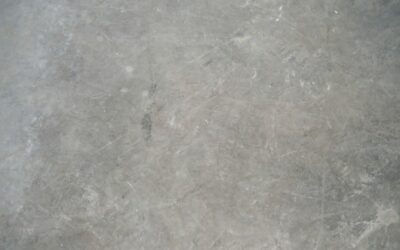
Long before vinyl planks and engineered hardwood, the most common floor in human history was packed earth. Mud flooring is making a quiet comeback in the US through earthen-floor specialists, off-grid builds, and the natural-building movement. The aesthetic reads as warm terracotta, the carbon footprint is essentially zero, and the cost can be under $2 per sq ft if you do the work yourself. The trade-offs are real, and not everyone should sign up for one, but the floor is far more capable than its image suggests.
This guide covers what modern mud flooring actually is, how it performs, and what to budget if you want to specify one for a real project.
What Mud Flooring Means in 2026
Modern earthen floors are not raw dirt. They are an engineered mix of clay, sand, fine straw, and sometimes manure or fiber, applied in 2-4 layers over a stabilized subfloor and finished with several coats of penetrating linseed oil. Once cured, the surface is hard enough to walk on with shoes, sweepable, mop-able, and visually similar to polished concrete or terracotta tile.
Builders sometimes call them “adobe floors,” “tadelakt floors” (when lime-based), or “poured earth floors.” The technology is ancient; the application is modern.
Pros of Mud Flooring
- Extremely low cost. Raw materials run $0.50-$2.00 per sq ft if you source local clay.
- Zero embodied carbon. No firing, no synthetic chemicals, no plastic.
- Thermal mass. Stores and releases heat slowly. Ideal for passive solar homes.
- Soft underfoot. Slightly more give than concrete.
- Naturally beautiful. Warm terracotta to charcoal tones depending on clay color.
- Repairable. Damaged areas patch with the same mix and disappear.
- Pairs with radiant heat. The thermal mass is perfect for hydronic systems.
Cons You Need to Plan For
- Long cure time. 4-8 weeks before sealing, weeks more for the oil to fully harden.
- Labor-intensive. Each layer is hand-troweled. Not a weekend project.
- Sensitive to standing water. Sealed floors handle spills, but not flooded bathrooms.
- Specialist install. Few US contractors have experience. DIY is the norm.
- Code complexity. Not approved in most municipal residential codes without engineer sign-off.
- Resale skepticism. Mainstream buyers see “mud” and discount the home.
- Hardness varies. Even sealed, the surface is softer than tile or concrete.
How a Mud Floor Is Built
The process is straightforward but slow. The standard buildup:
- Subfloor: Compacted gravel base, 4 inches minimum, with vapor barrier.
- Insulation layer: Rigid foam or strawclay base course, 2 inches.
- Base coat: Coarse mix of clay, sand, and chopped straw, 1-2 inches thick.
- Middle coat: Finer mix, 3/4 inch thick. Smooths out imperfections.
- Finish coat: Very fine clay-sand mix, 3/8 inch thick. Sometimes pigmented.
- Drying: 4-8 weeks, depending on climate and ventilation.
- Sealing: 4-6 coats of boiled linseed oil cut with citrus solvent, brushed in over several days.
- Wax (optional): Beeswax or carnauba wax topcoat for added water resistance.
Cost Breakdown
The cost varies wildly based on labor and material sourcing:
- DIY with local clay: $0.50-$2.00 per sq ft total materials.
- DIY with commercial earth-floor kits (American Clay, ClayCoat): $3-$5 per sq ft.
- Professional install: $8-$18 per sq ft, including subfloor prep.
- Designer earthen floor with custom pigments and patterns: $20-$40 per sq ft.
Linseed oil sealing alone runs $0.50-$1.00 per sq ft regardless of approach. Plan for 1-2 gallons per 100 sq ft.
Where Mud Flooring Works
Best applications:
- Passive solar homes: Thermal mass directly serves heating strategy.
- Earthbag, cob, and straw bale construction: Material vocabulary matches.
- Off-grid cabins: Low embodied energy aligns with the lifestyle.
- Studios, workshops, sunrooms: Lower stakes for code and resale.
- Yoga and meditation spaces: Warm aesthetic, soft acoustics.
Where to Avoid It
Skip mud flooring in suburban tract homes (resale hit), full bathrooms (water exposure), basements with any moisture risk, rentals (tenant abuse), and any project where you need to be living in the space within 30 days. The cure time alone disqualifies most renovations.
Sealing and Finishing Options
The seal makes the floor functional. Three approaches:
- Boiled linseed oil (most common): 4-6 coats, applied over 7-10 days. Penetrates and hardens. Smells strong during application.
- Tung oil with citrus solvent: Lower odor, similar performance, slightly more expensive.
- Linseed oil + beeswax topcoat: Best water resistance, rich satin sheen.
- Casein (milk paint) base + oil: Adds color depth, used on premium designer floors.
Maintenance
Routine care is simple. Sweep or vacuum (no beater bar) daily. Damp mop weekly with plain water; avoid soap. Re-oil every 1-2 years in high-traffic areas. Spot-repair scratches by lightly sanding and re-oiling. Major damage requires patching with the same clay mix, which dries to match within a few weeks.
Color and Pattern Options
The clay color drives the base palette. Local sources range from warm terracotta to deep charcoal. Pigments can shift the tone toward ochre, sienna, or umber. For pattern, troweled finishes can be smooth, lightly textured, or burnished to a polish. Inlays of stone, wood, or brass strips elevate the floor into custom designer territory.
Building Codes and Insurance
Most US municipal codes do not specifically address earthen floors. Expect to provide engineering documentation, fire ratings (earth is non-combustible), and sometimes seismic anchoring details. Some jurisdictions accept earthen floors under the alternative-materials-and-methods provision; others do not. Talk to your building department before you commit. Insurance carriers may require a structural engineer’s letter as well.
Final Verdict
Mud flooring is genuinely beautiful, almost free in materials, and sustainable in a way no other floor can match. It also requires patience, skill, and a forgiving project timeline. For natural-building enthusiasts, off-grid homes, and design-driven projects with the right architecture, an earthen floor is the answer. For mainstream renovations where you need code compliance, fast install, and broad resale appeal, choose another category. Within its niche, mud flooring is unbeatable; outside it, it is a hard sell.
Prefer to explore on your own?
See how new flooring looks in your actual room in seconds — free, no signup.
Try the free Floor Studio →