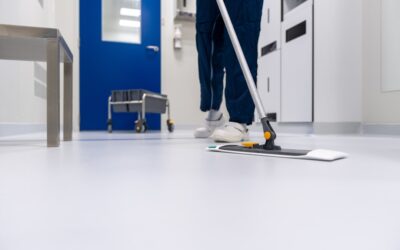
Walk into a high school gym, a vintage bowling alley, or a 1920s bungalow and you are likely standing on the same species. Natural maple flooring has been the workhorse of American sports floors and Midwest homes for over a century because hard maple is one of the densest domestic species you can buy and its pale, even color photographs as clean and modern. Designers chasing the Scandinavian look in 2020s remodels rediscovered it after decades of red oak dominance — but maple has quirks that catch first-time buyers off guard.
Hard Maple vs Soft Maple
The category splits cleanly. Hard maple (Acer saccharum, sugar maple) sits at 1,450 on the Janka scale. Soft maple (red, silver, or bigleaf maple) ranges from 700 to 950. Almost all flooring sold as “maple” is hard maple — the soft species are mostly used for furniture cores. If a price seems too good to be true at $3 per sq ft, check the species name in the spec sheet. Quality natural maple flooring should specify Acer saccharum or “Northern hard maple.”
The Look: Light, Tight, Modern
Maple’s grain is famously subtle. Annular rings are tight, color variation is minimal, and the surface reads as nearly seamless from across a room. Heartwood runs a creamy white to light tan; sapwood is almost white. That uniformity is why architects spec it for galleries and showrooms — nothing competes with the art on the walls. The downside is that maple shows everything: dust, hair, footprints, and any glue smear from installation.
Grades affect appearance more than other species. First-grade (“clear”) maple is virtually knot-free with minimal mineral streaking and runs $7 to $11 per sq ft. Select grade adds light streaking and small pin knots at $5 to $8. Cabin or character grade includes pronounced streaks and knots at $3 to $5 — a rustic look that some homeowners now prefer.
Why It Holds Up to Abuse
The 1,450 Janka rating is 7% harder than red oak. Combined with maple’s tight, closed grain, the surface resists denting from chair legs, stiletto heels, and dropped utensils better than most domestic species. NBA courts, dance studios, and roller rinks all use it because the surface withstands sliding loads that would shred softer wood.
Hard maple also takes a finish exceptionally well. Aluminum oxide UV-cured factory finishes bond tight, and a single coat of waterborne polyurethane during a refinish builds film thickness fast. Many maple floors go 30 years between full sandings.
The Real Cons
Maple is harder to stain than oak. Its closed grain rejects penetrating stains unevenly, leaving blotchy results. If you want dark walnut or ebony, choose a different species or use a conditioner first — and accept that even then, maple often comes out streaky. Most pros recommend leaving natural maple flooring natural, hence the name.
The wood is also notoriously moisture-reactive. Maple expands and contracts more across the grain than oak, so installation in homes with seasonal humidity swings (under 30% in winter, over 60% in summer) produces visible gapping. Run a humidifier during heating season or expect 1/16-inch winter gaps.
Photo-yellowing is the third surprise. Maple ambers noticeably under sunlight in the first 6 to 12 months, especially with oil-modified finishes. Waterborne finishes minimize this but cannot eliminate it.
Solid vs Engineered
Solid 3/4-inch tongue-and-groove maple is the historical standard, available in 2 1/4-inch strip, 3 1/4-inch plank, and wider widths. It nail-installs over plywood subfloor and refinishes 4 to 6 times over its life. Pricing runs $5 to $11 per sq ft material.
Engineered maple uses a 2 to 6 mm wear layer over a hardwood ply core. It floats, glues, or nails over slab and basement subfloors where solid would cup. Wear layers under 3 mm cannot be sanded; 4 mm and up can be sanded once carefully. Engineered maple runs $4 to $10 per sq ft.
Pricing the Full Job
Realistic 1,000 sq ft installed costs:
- Cabin-grade solid, nail-down: $8,000 to $11,000
- Select-grade solid, nail-down: $10,000 to $14,000
- Clear-grade solid, nail-down: $13,000 to $18,000
- Mid-grade engineered, glue-down: $9,000 to $13,000
Add $0.50 to $1 per sq ft for trim, transitions, and underlayment.
Best Rooms for Maple
Living rooms, bedrooms, hallways, dining rooms, and home offices are the natural fits. Maple’s hardness makes it strong for entryways and stairs as long as you keep humidity stable. Avoid bathrooms, laundry rooms, and three-season porches — moisture cycling will kill solid maple within 5 years.
Kitchens are a judgment call. With a quality engineered product, sealed perimeter, and quick spill cleanup, maple in a kitchen is fine. With solid maple and a busy household, expect cupping near the dishwasher within 3 to 5 years.
Installation Notes That Save Money
Acclimate boxes for 7 to 14 days in the install room. Maple needs longer than oak because of its moisture sensitivity. Subfloor flatness should be 3/16 inch over 10 feet. Use a pneumatic flooring nailer with 16-gauge cleats every 6 to 8 inches. Cleats grip maple’s tight grain better than staples.
If staining, sand to 100 grit max, apply a water-based pre-stain conditioner, wait 15 minutes, then stain. Test on three or four scrap boards before committing the whole floor — maple is unforgiving and shop samples rarely match site conditions.
Who Should Buy Maple
Natural maple flooring suits homeowners chasing a clean, light, modern look who do not need dark or stained finishes. It rewards stable HVAC and punishes neglected humidity control. Sports facility owners, dance studio operators, and showroom designers will find no better domestic option. If your priority is dark color, deep grain, or rustic character with knots and color variation, walnut, hickory, or character-grade white oak will serve you better.
Prefer to explore on your own?
See how new flooring looks in your actual room in seconds — free, no signup.
Try the free Floor Studio →