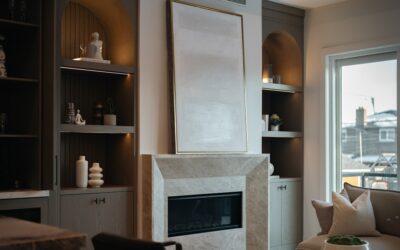
Painted white cabinets dominated for two decades, but 2024 marked a sharp turn back toward natural wood, with NKBA reporting a 41% increase in stained wood cabinet specifications year over year. A natural wood cabinets kitchen brings warmth, character, and timelessness that painted finishes can’t match, especially as design trends shift toward warmer palettes and biophilic interiors. This guide covers the top wood species, current finish trends, costs in 2026, and how to make the look work without veering into dated territory.
- Why Natural Wood Is Back
- Top Wood Species for Kitchen Cabinets
- Finish Choices That Define the Look
- Pros of Natural Wood Cabinets
- Cons and Honest Trade-offs
- Design Styles That Work With Natural Wood
- Hardware That Complements Natural Wood
- Care and Maintenance Tips
- What Natural Wood Cabinets Cost in 2026
- Frequently Asked Questions
Why Natural Wood Is Back
Three trends drove the shift. Designers got tired of all-white kitchens reading sterile and identical across thousands of social media posts. Buyers started asking for warmth and texture as a counterbalance to minimalist trends. And lighter, refined wood treatments (rift-cut white oak, washed walnut, natural maple with white grain filler) gave designers ways to use wood without recreating 1990s honey oak nightmares.
The result is a category that ranges from light Scandinavian minimalism to rich English-inspired traditional, all sharing one thing: real wood grain visible through clear or tinted finishes rather than buried under paint.
Top Wood Species for Kitchen Cabinets
Six species cover most current natural wood cabinet specifications. Each delivers different grain, color, and price points.
- White oak (rift or quarter-sawn) — $250-$500 per linear foot, the dominant choice in 2026, straight grain reads contemporary.
- Walnut — $400-$750 per linear foot, rich brown tones, premium feel.
- Hard maple — $200-$400 per linear foot, light cream color, takes stain well.
- Cherry — $300-$550 per linear foot, deepens to red over time, traditional warmth.
- Knotty alder — $250-$450 per linear foot, rustic character, popular in modern farmhouse.
- Hickory — $300-$500 per linear foot, dramatic grain variation, distinctive look.
Finish Choices That Define the Look
The finish matters as much as the species. Five treatments lead the category right now.
- Clear matte conversion varnish — protects without changing color, the modern standard.
- Light wash (limed or pickled) — softens grain without painting over it, popular on white oak.
- Cerused (with white grain filler) — emphasizes grain pattern, adds texture and contrast.
- Light to medium stain (golden or honey) — warmth without darkness, works on maple and oak.
- Fumed (using ammonia darkening) — natural-looking richness on white oak.
Avoid orange-toned and red-toned stains that read distinctly 1990s. The current palette favors cool to neutral wood tones that pair with both warm and cool surrounding colors.
Pros of Natural Wood Cabinets
Durability beats painted finishes by a wide margin. Stained or clear-finished wood cabinets show wear gradually and develop patina rather than chipping or yellowing. Touch-ups are easier (a small scratch sands and re-finishes blendably), while painted cabinet damage requires precise color matching that almost always shows.
Resale appeal is currently strong. NKBA and Houzz buyer surveys for 2024-2026 consistently rank natural wood among the top three most-requested cabinet finishes, especially in the $400,000-$1.5M home market. Painted white is still popular but no longer dominates.
Design flexibility runs both ways. Natural wood cabinets pair with white walls, dark walls, contrasting islands, marble or quartz counters, and almost any backsplash material. Painted cabinets can lock you into more limited palette choices.
Cons and Honest Trade-offs
Cost runs 10-25% higher than painted equivalents. Quality stain-grade lumber costs more than paint-grade material, and cabinet shops charge more for the careful sanding and finishing required to make stained wood look right. Budget $250-$750 per linear foot for semi-custom natural wood versus $200-$550 for painted equivalents.
Color variation is real. Natural wood cabinets show grain variation door-to-door, especially in oak and walnut. Some buyers love this organic quality. Others want perfect uniformity, in which case painted finishes deliver better consistency.
Sun fading affects exposed cabinets. South and west-facing kitchens with direct sunlight see noticeable color shift over 2-5 years, especially in cherry and walnut. UV-resistant finishes slow but don’t eliminate fading.
Design Styles That Work With Natural Wood
Five design directions consistently succeed in stained-wood kitchen layouts. Modern Scandinavian (light oak shaker doors, white walls, minimal hardware) reads clean and bright. Modern organic (rift-sawn white oak, brass hardware, natural stone counters) feels current and warm.
English country (walnut or stained oak, traditional inset doors, mixed metals) brings depth and character. Modern rustic (knotty alder or hickory, hammered hardware, butcher block accents) works in mountain and lake homes. Two-tone (painted island with stained perimeter cabinets) balances classic and contemporary.
Hardware That Complements Natural Wood
Hardware selection makes or breaks the look. Three approaches work consistently.
- Aged brass or unlacquered brass — $15-$45 per pull, warms the wood and ages beautifully.
- Matte black — $8-$30 per pull, clean modern contrast.
- Oil-rubbed bronze — $10-$35 per pull, traditional and rustic-friendly.
Avoid polished chrome and brushed nickel with most natural wood. They read too cool against warm wood tones and lock the design into a more dated era.
Care and Maintenance Tips
Natural wood cabinets need different care than painted finishes. Clean with a damp microfiber cloth and mild dish soap diluted in water. Avoid ammonia-based cleaners, citrus oil products, and silicone-based polishes (which leave buildup that causes future finish problems).
Apply Method Wood Cleaner or Howard Feed-N-Wax 2-3 times per year to maintain finish luster and add a thin protective layer. Inspect for finish wear annually around heavy-use areas (around the sink, near the range, and on the lower drawer fronts that take the most foot traffic).
Recoat or refinish every 10-20 years depending on use. Cabinet refinishing runs $1,500-$4,500 for a typical kitchen versus $20,000-$50,000 for full cabinet replacement, making periodic refinishing the best long-term investment.
What Natural Wood Cabinets Cost in 2026
Budget honestly by tier. Stock natural wood cabinets from Home Depot or Lowe’s run $200-$400 per linear foot for white oak or hickory shaker doors. Semi-custom natural wood cabinets from regional cabinet shops or Diamond, KraftMaid, and Decora run $300-$600 per linear foot. Full custom natural wood from local cabinetmakers runs $500-$1,200 per linear foot.
A typical 200 sq ft kitchen with 25 linear feet of cabinetry runs $7,500-$15,000 for stock-grade natural wood cabinets installed, $9,000-$22,000 for semi-custom, and $15,000-$35,000 for full custom builds.
Frequently Asked Questions
Are natural wood cabinets kitchen designs in style for 2026?
Yes. NKBA and Houzz both report natural wood, especially rift-sawn white oak and walnut, as one of the top three most-requested cabinet finishes for 2024-2026. The trend shows no signs of slowing as designers move away from all-white kitchens.
What’s the most popular wood species for natural wood cabinets?
Rift-sawn or quarter-sawn white oak dominates current specifications, valued for its straight grain pattern and ability to take both light wash and natural clear finishes. Walnut leads the premium category, while hickory and knotty alder lead in rustic and modern farmhouse styles.
How do I keep natural wood cabinets from looking dated?
Choose cool-toned or neutral finishes rather than orange or red stains. Pair with current hardware (matte black or aged brass), light counters or contrasting dark counters, and avoid heavy crown molding and ornate door profiles. Modern shaker or simple slab doors keep the look current.
Are natural wood cabinets durable in kitchens?
Yes, often more durable than painted finishes. Solid wood cabinets with quality conversion varnish or lacquer finishes last 25-40 years before refinishing, develop patina rather than chipping, and accept touch-ups more easily than paint when scratched or dented.