
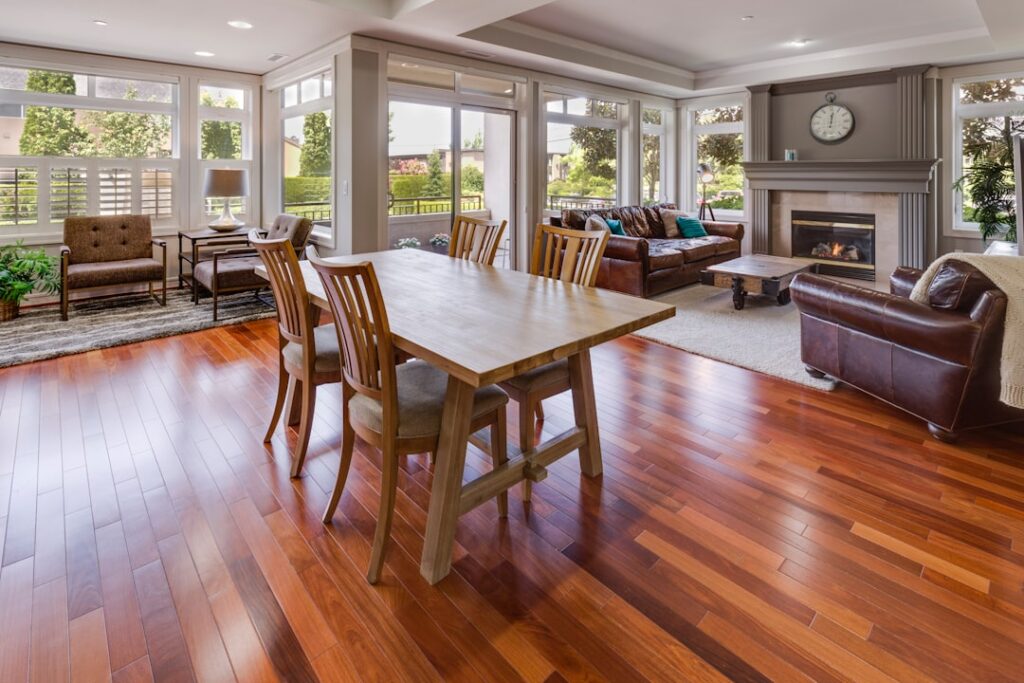
Walk into a flooring showroom and you’ll find “Noble Oak” stamped on samples from several different brands, because it’s a popular décor name rather than a single product. Noble Oak flooring generally describes a warm, medium-brown oak look with rich grain and a refined, slightly traditional character. Since the name is shared across manufacturers, the smart move is to treat it as a style and color family, then verify the exact construction and specs with your dealer before you buy.
What “Noble Oak” Usually Means
The name evokes the dignified, classic appearance of mature oak. In practice, a Noble Oak décor tends to feature a balanced mid-brown tone, visible cathedral and straight grain, and subtle color variation board to board. It’s the kind of warm, grounded oak look that suits both traditional and transitional interiors. Because different makers apply the name to laminate, engineered wood, and luxury vinyl, the visual is consistent even when the material underneath is not.
Always ask your retailer which collection a given Noble Oak sample belongs to, since that determines durability, warranty, and price far more than the décor name does.
Materials It Comes In
The same oak look appears across several flooring types, each with different strengths.
- Engineered oak: A real oak veneer over a plywood core, offering authentic grain with better stability than solid wood.
- Solid oak: Top-to-bottom hardwood, sandable many times, best in stable indoor climates.
- Laminate: A printed oak image under a tough wear layer, the budget-friendly route to the look.
- Luxury vinyl plank: A waterproof oak visual ideal for kitchens, baths, and basements.
The Appeal of the Warm Oak Look
Mid-brown oak earns its lasting popularity by being genuinely versatile. It’s warm enough to feel inviting yet neutral enough to work with grey, navy, cream, or natural wood furniture. Unlike trend-driven greys and bleached whites, a classic oak tone rarely looks dated, which protects resale appeal. The visible grain also hides everyday dust, crumbs, and minor scuffs better than flat, uniform colors.
For homeowners who want a floor that quietly works with whatever decor comes next, a Noble Oak shade is a safe, enduring choice.
Pros and Cons
Because the look spans several materials, weigh the construction as well as the color.
- Pro: Timeless mid-brown oak that pairs with almost any palette.
- Pro: Available across price points from laminate to solid hardwood.
- Pro: Grain pattern disguises dirt and light wear.
- Con: The shared name causes confusion; specs vary widely between brands.
- Con: Real oak versions need humidity control and cost more.
- Con: Matching the exact shade later for repairs can be tricky if a line is discontinued.
Finishes and Texture
The finish changes how a Noble Oak floor reads and wears. Matte and natural-oil finishes look organic and hide footprints, while a satin lacquer adds a gentle sheen and a bit more spill protection. Brushed or wire-brushed textures pull out the grain for a tactile, lived-in feel, whereas a smooth surface looks cleaner and more formal. If you’re choosing engineered or solid oak, a hardwax oil offers easy spot repairs, while polyurethane gives tougher, lower-maintenance protection in busy rooms.
Cost Expectations
Price tracks the material, not the name. Laminate in a Noble Oak décor typically runs $2 to $5 per square foot. Luxury vinyl plank lands around $3 to $7. Engineered oak ranges from $5 to $12 depending on veneer thickness and brand, and solid oak can reach $8 to $15 or more before installation. Get a written quote that names the specific collection so you’re comparing equivalent products rather than a label.
Decorating Around a Noble Oak Floor
A warm mid-brown oak is one of the easiest floors to build a room around, which is part of its enduring appeal. The tone bridges warm and cool palettes, so it sits comfortably with both crisp whites and greys and with earthy, natural color schemes. For a contemporary feel, pair it with white or pale grey walls, black metal accents, and minimal furnishings to let the grain stand out. For a more traditional or cozy look, combine it with cream, sage, navy, or deep terracotta and natural textures like linen and wool.
Because the floor reads as a neutral, you have freedom to change wall colors and furniture over the years without the floor fighting you. That flexibility is exactly why so many homeowners default to a classic oak shade when they expect to redecorate down the line. Just be mindful of undertone: some Noble Oak décors lean slightly golden while others lean cooler and browner, so match your accent colors to the specific sample rather than to oak in general.
Where It Works Best in the Home
The right material decides which rooms a Noble Oak look suits. Solid and engineered oak shine in living rooms, dining rooms, bedrooms, and hallways where the authentic grain adds warmth and value, though they want stable indoor humidity. Laminate in the same décor is ideal for bedrooms, offices, and living areas on a budget. Luxury vinyl plank carrying the Noble Oak look is the one to choose for kitchens, bathrooms, basements, and laundry rooms, since it shrugs off the moisture that would damage real wood. Picking the construction by room, while keeping the same warm oak color throughout, lets you run a consistent look across the whole house.
How to Buy Confidently
Order a physical sample and view it in your own room under both daylight and evening light, since oak tones shift dramatically with lighting. Confirm the wear-layer thickness on vinyl, the AC rating on laminate, and the veneer depth on engineered wood. Ask whether the line is currently stocked so future repairs stay possible. Most importantly, verify with the dealer exactly which product carries the Noble Oak name, because two floors with the same décor can perform very differently.
The Bottom Line
Noble Oak is best understood as a warm, classic oak color and style rather than one specific floor. The look is a reliable, resale-friendly choice that suits most interiors, but the value depends entirely on the construction beneath that décor. Decide first how much moisture resistance, refinishing capability, and budget you need, then pick the material, whether laminate, vinyl, engineered, or solid oak, that carries the Noble Oak look in a quality your dealer can confirm.
Prefer to explore on your own?
See how new flooring looks in your actual room in seconds — free, no signup.
Try the free Floor Studio →

