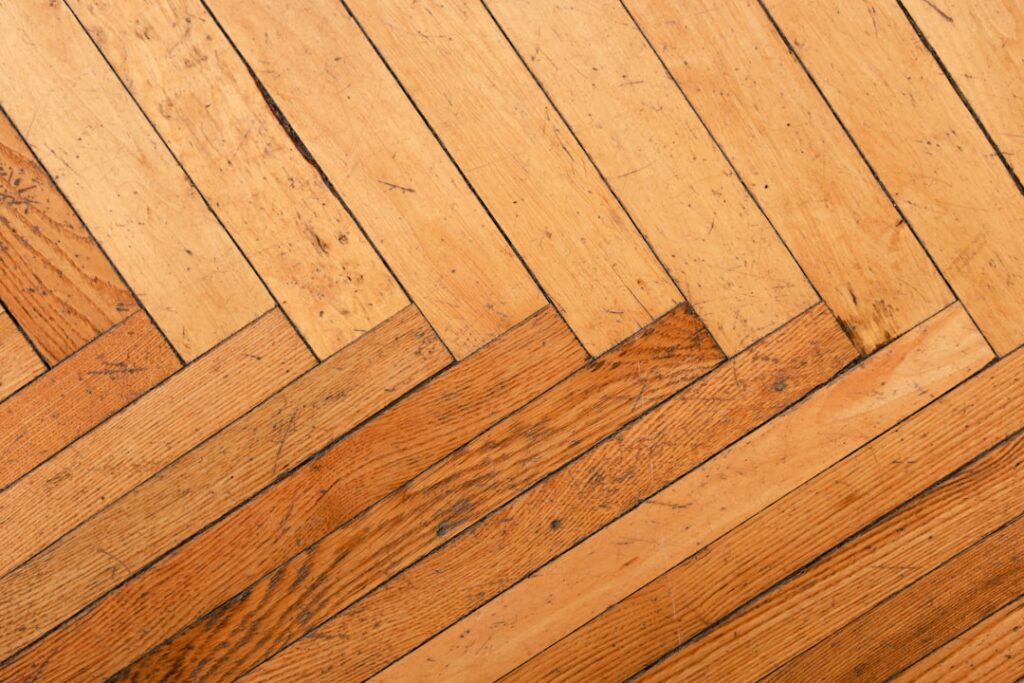
There is something undeniably luxurious about warm oak underfoot on a cold morning, and pairing oak parquet flooring underfloor heating systems delivers exactly that comfort. The geometric charm of parquet, whether classic herringbone, chevron, or a basket weave block pattern, combined with the gentle, even warmth of a radiant heating system, makes for one of the most inviting floors you can install. But wood and heat have a complicated relationship, and getting this combination right requires understanding how oak responds to temperature and moisture changes. Done properly, it is a beautiful, stable, comfortable floor; done carelessly, it can gap, cup, or crack.
Drawing on real installation experience, this guide covers why engineered oak usually beats solid over heating, the temperature limits that protect the wood, how to manage moisture and gaps, and the installation practices that keep a heated parquet floor looking flawless for decades.
Why Underfloor Heating and Wood Need Care
Wood is a natural, hygroscopic material, meaning it constantly gains and loses moisture in response to the surrounding air, and it expands and contracts as it does. Underfloor heating adds a variable that ordinary floors do not face: repeated heating and cooling cycles that draw moisture out of the wood and change its dimensions. If those cycles are too aggressive, the oak can shrink and open gaps between blocks, or in bad cases cup and crack.
This does not mean you cannot have oak parquet over radiant heat; countless homes do, successfully. It means the system has to be designed and operated within the limits wood tolerates, and the flooring has to be chosen and installed with heat in mind. The whole game is keeping the wood’s moisture content stable by keeping temperature changes gentle and controlled. Understanding that principle guides every decision that follows.
Engineered Versus Solid Oak Parquet
For underfloor heating, engineered oak parquet is almost always the smarter choice over solid. Engineered boards are built from a real oak wear layer bonded over a cross-laminated plywood or multi-ply core, and that layered construction is far more dimensionally stable than solid wood. The cross-grain layers resist the expansion and contraction that heat cycles drive, so engineered parquet stays flatter and gaps less over a heated slab.
Solid oak parquet can be used over underfloor heating in some cases, but it is riskier because solid wood moves more with moisture and temperature swings, raising the odds of gapping and cupping. Many manufacturers specifically warranty engineered products for underfloor heating while restricting or voiding warranties on solid wood over heat. If you love the parquet look and want radiant warmth, engineered oak gives you the authentic real-wood surface with the stability the application demands. Always confirm the specific product is rated by its maker for underfloor heating.
Temperature Limits That Protect the Wood
The single most important rule is capping the floor surface temperature. Wood floors over radiant heat should generally not exceed about 27 degrees Celsius, roughly 80 degrees Fahrenheit, at the surface, and staying at or below that limit is what keeps the oak from drying out and moving excessively. Exceeding it repeatedly is the fast path to gaps and damage, so the system must be controlled to respect this ceiling.
A floor-sensing thermostat is essential, not optional, because it monitors and limits the actual floor temperature rather than just the air. I strongly recommend a system with a floor sensor and a set maximum so the heat can never overshoot the wood’s tolerance. Equally important is avoiding rapid temperature changes: bring the system up and down gradually, ideally no more than a few degrees per day, so the oak acclimates without shock. Gentle, gradual, capped heat is the recipe for a stable floor.
Managing Moisture and Seasonal Gaps
Even with a well-run system, expect some seasonal movement, and understanding it prevents needless worry. During the heating season, as the system dries the air and the wood, thin gaps may appear between parquet blocks, and in the humid off-season those gaps typically close again as the wood takes moisture back up. Minor seasonal gapping is normal for any wood floor and more pronounced with heat, not a defect.
You can minimize it by keeping indoor relative humidity in a stable, moderate range, often cited around 40 to 60 percent, using a humidifier in dry winter months if needed. Before installation, the oak must acclimate in the room where it will live so its moisture content balances with the home’s conditions. A proper moisture barrier over a concrete slab is critical to stop ground moisture from reaching the wood. Controlling humidity year-round is the best defense against distracting gaps.
Installation Best Practices
Installation method matters over heating. Fully bonding engineered parquet to the screed or subfloor with a flexible, heat-suitable adhesive is the preferred approach for most heated installations, because full contact transfers heat efficiently and holds the blocks stable. The adhesive must be one rated for use with underfloor heating, since not all glues tolerate the temperature cycling.
Before laying a single block, the heating system in a new screed must be commissioned and run through a proper start-up and drying cycle, then set to a moderate temperature during installation per the flooring manufacturer’s instructions. The subfloor must be flat, sound, dry, and within the specified moisture limits, verified by testing, not by eye. Rushing the screed drying or skipping the commissioning cycle traps moisture that will later damage the floor. Patience during these preparatory steps protects the entire investment.
Electric Versus Water-Based Heating Under Parquet
Two main underfloor heating types sit under wood floors, and both work with engineered oak parquet when controlled properly. Water-based, or hydronic, systems circulate warm water through pipes embedded in the screed and are common in whole-house heating; they deliver gentle, even warmth that suits wood well and are efficient over large areas. Because the screed holds heat, hydronic systems respond slowly, which actually helps protect wood by avoiding sharp temperature spikes.
Electric mat systems use heating cables or mats laid under the flooring and heat up and cool down faster, making them popular for retrofits and single rooms. That quicker response means the thermostat and floor sensor become even more important to prevent overshooting the wood’s temperature limit. Whichever system you have, the same rules govern success: cap the surface temperature, ramp gradually, and confirm the specific parquet product is rated for that heating type before you buy.
Living With a Heated Parquet Floor
Once installed and dialed in, an oak parquet floor over underfloor heating is a joy to live with and easy to maintain. Keep the room humidity stable across the seasons, avoid sudden large jumps in the thermostat setting, and let the floor-sensing control do its job of holding the surface within the safe range. Rugs can be used but choose breathable ones and avoid thick insulating rugs over large areas, since they can trap heat and create hot spots the wood does not like. Be cautious placing large pieces of furniture with solid bases directly on a heated floor for the same reason, as they can block airflow and concentrate heat beneath them; furniture on legs that lets air circulate is the safer choice over a radiant floor.
Routine care is the same as any oak floor: sweep or vacuum grit, clean with products made for wood floors, and wipe spills promptly rather than letting water sit. Use a barely damp mop rather than a wet one, since standing water is the enemy of any wood floor and doubly so over a system that already cycles moisture out of the boards. Felt pads under furniture legs and a walk-off mat at entries keep grit from scratching the finish. With sensible operation and normal maintenance, oak parquet flooring underfloor heating combines the timeless beauty of patterned wood with the modern comfort of radiant warmth, giving you a floor that is as pleasant to stand on as it is to look at, season after season.
Prefer to explore on your own?
See how new flooring looks in your actual room in seconds — free, no signup.
Try the free Floor Studio →