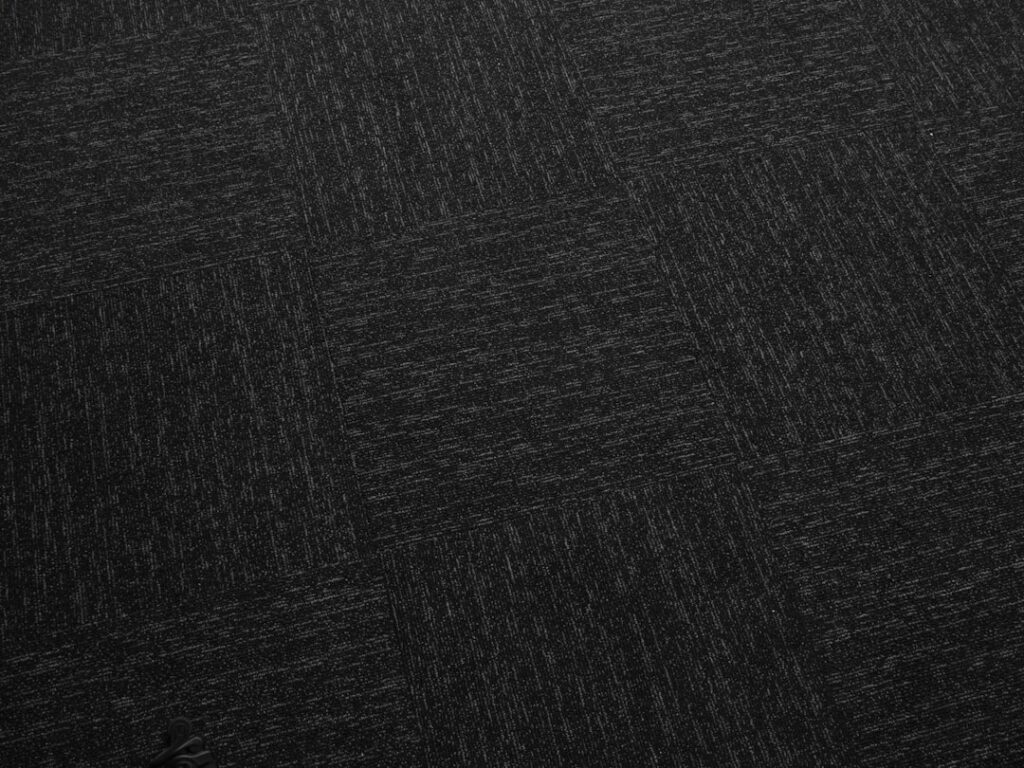
Hard patios and weathered decks are practical, but they are not exactly inviting underfoot. Outdoor carpet squares solve that, delivering soft, comfortable, weather-resistant flooring you can install yourself in an afternoon. These modular carpet tiles snap or stick together to cover patios, decks, balconies, sunrooms, and play areas, and a single damaged tile can be swapped without redoing the whole floor.
This guide covers what makes outdoor carpet squares different from indoor tiles, the materials and drainage features that matter, how to install them, and how to keep them looking good through the seasons. For renters and homeowners alike, they are one of the easiest ways to upgrade an outdoor space.
What Are Outdoor Carpet Squares?
Outdoor carpet squares are modular sections of carpet, commonly around 12 by 12 inches up to 24 by 24 inches, engineered specifically for exterior use. Unlike indoor carpet tiles, they are made from weather-resistant synthetic fibers and built with backing that handles moisture, sunlight, and temperature swings.
The modular design is the headline feature. Instead of one large piece, you lay individual tiles that interlock, adhere, or simply rest in place. That makes installation a DIY-friendly puzzle, lets you cut tiles to fit edges easily, and means you replace only the squares that get stained or worn rather than the entire floor.
Once your patio flooring is in place, think about how you’ll use the space. A gazebo adds shade and structure, while a good outdoor furniture set turns it into a spot you’ll actually want to hang out in. A deck box is also worth considering if you need somewhere to stash cushions and outdoor gear.
We may earn a commission when you purchase through our links.
Materials and Key Features
Choosing the right tile starts with understanding what they are made of and the features that matter outdoors:
- Solution-dyed polypropylene (olefin): The most common outdoor fiber, prized for fade resistance, moisture tolerance, and easy cleaning.
- Drainage backing: Many quality tiles have perforated or raised-grid backing that lets water pass through and air circulate, preventing pooling, mildew, and that trapped-wet feeling.
- UV stabilization: Look for tiles rated to resist fading from sun exposure, essential for any spot in direct sunlight.
- Mold and mildew resistance: Important in shaded or humid areas where moisture lingers.
- Interlocking or peel-and-stick edges: Determine how the tiles join and how easy installation will be.
Drainage is the feature homeowners most often overlook. Without it, water sits between the carpet and the surface below, breeding mildew and odor. Tiles with proper drainage backing dry quickly and stay healthier outdoors.
Where to Use Them
These tiles suit a wide range of outdoor and transitional spaces. Patios and decks are the obvious candidates, gaining warmth and slip resistance underfoot. Balconies and small apartment terraces benefit from the easy, no-glue installation that renters can remove when they move.
Sunrooms, screened porches, and covered outdoor kitchens are excellent fits since they get some protection from the elements. Outdoor play areas and pool surrounds can use them too, provided you choose tiles rated for constant moisture and quick drainage. For fully exposed, rain-soaked locations, prioritize the best drainage and UV ratings you can find.
How to Install Outdoor Carpet Squares
Installation is genuinely beginner friendly. The general process is straightforward:
- Clean and dry the surface thoroughly, sweeping away all dirt and debris so tiles sit flat and adhesives bond if used.
- Plan your layout, starting from a straight edge or the center of the space, and dry-lay a row to check the fit.
- Connect the tiles using their interlocking tabs, adhesive backing, or connectors, working row by row.
- Measure and cut border tiles to fit edges and around obstacles using a sharp utility knife and a straightedge.
- Press everything firmly into place and confirm the surface is even with no lifted corners.
For loose-lay or interlocking systems, no permanent adhesive is needed, which is perfect for renters and seasonal use. On windy balconies or large areas, some homeowners add a bit of outdoor-rated tape or adhesive at the perimeter to keep edges from lifting. Always follow the manufacturer’s instructions for the specific product.
Cleaning and Maintenance
One of the biggest advantages of outdoor carpet squares is easy upkeep. Routine care keeps them fresh:
- Sweep or shake out tiles regularly to remove dirt, leaves, and grit.
- Hose them down periodically; tiles with drainage backing dry quickly afterward.
- Spot-clean spills with mild soap and water, and scrub stubborn stains with a soft brush.
- Lift tiles occasionally to clean and dry the surface underneath, especially in shaded, humid spots.
When a single tile becomes badly stained, worn, or damaged, simply pop it out and replace it, no need to redo the whole floor. This modular repairability is a major cost and convenience advantage over wall-to-wall outdoor carpet.
Pros, Cons, and What to Expect
The benefits are clear: comfort underfoot, easy DIY installation, modular repair, slip resistance, and a softer, more finished look for hard outdoor surfaces. They also help hide a stained or cracked patio without a major renovation.
Be realistic about the tradeoffs too. Outdoor carpet does not last as long as the patio beneath it, and constant sun and weather will eventually fade or wear even quality tiles. Areas with poor drainage or heavy shade can develop mildew if you skip maintenance. And very cheap tiles may fade fast or feel thin. Buying UV-stable tiles with good drainage backing, and lifting them to dry the base periodically, addresses most of these concerns.
How Many Tiles You Need and What to Budget
Estimating quantity is simple math. Measure the length and width of your space in feet, multiply for the square footage, and divide by the area each tile covers, a 24-by-24-inch tile covers 4 square feet, so a 10-by-12-foot patio of 120 square feet needs roughly 30 tiles. Always add about 10 percent extra for edge cuts and future replacements.
Pricing varies widely by quality. Basic outdoor carpet tiles can run a few dollars per square foot, while heavier-duty, UV-stable tiles with quality drainage backing cost more. Compared to wall-to-wall outdoor carpet or a full hardscape redo, modular tiles are budget friendly, and because you replace only damaged squares rather than the whole floor, the long-term cost stays reasonable. Treat any figure as general guidance and confirm current pricing for the specific tile you choose.
The Bottom Line
Outdoor carpet squares are an affordable, DIY-friendly way to make patios, decks, balconies, and porches more comfortable and inviting. The modular design makes installation simple and repairs painless, while weather-resistant fibers and drainage backing keep them performing through the seasons. Choose UV-stable tiles with good drainage, prep the surface, follow the install instructions, and keep up with basic cleaning. Do that, and you will turn a hard, plain outdoor surface into a soft, finished space you actually want to spend time on.