Standing in a garden center surrounded by hundreds of green leaves, most homeowners can’t name a single one beyond “the pretty purple one.” Learning common outdoor plants with names turns that overwhelm into confidence, helping you choose varieties that actually thrive in your light, soil, and USDA hardiness zone. A plant that flourishes in Phoenix may rot in Seattle, so matching the right species to your conditions matters as much as liking how it looks. This guide walks through the most popular and reliable outdoor plants, grouped by type, with the care details you need to keep them alive.
- Hardy Perennials That Return Every Year
- Flowering Shrubs for Structure
- Annuals for Instant Color
- Ornamental Grasses and Ground Covers
- Climbing Vines for Vertical Space
- Drought-Tolerant and Native Options
- Plants That Attract Pollinators
- Container Plants for Patios and Decks
- Matching Plants to Your Conditions
- The Bottom Line
Hardy Perennials That Return Every Year
Perennials are the backbone of a low-maintenance garden because they come back season after season. A few standouts:
- Hostas — shade-loving foliage plants with broad leaves; thrive in zones 3 to 9 with little sun
- Daylilies (Hemerocallis) — nearly indestructible bloomers tolerant of poor soil, full sun to partial shade
- Coneflowers (Echinacea) — drought-tolerant native that attracts butterflies, full sun, zones 3 to 9
- Black-Eyed Susan (Rudbeckia) — cheerful golden blooms from midsummer through fall
- Hydrangeas — showy shrubs with blue or pink blooms; soil pH controls the color
Plant perennials in spring or fall, water deeply for the first season while roots establish, and most will reward you for years.
Flowering Shrubs for Structure
Shrubs give a yard year-round bones and seasonal color. The azalea bursts with spring blooms and prefers acidic soil and partial shade. Boxwood is the classic evergreen for hedges and topiary, holding its shape with two trimmings a year. Rose of Sharon (Hibiscus syriacus) flowers heavily from summer into fall and tolerates a wide range of conditions. For fragrance, lilac delivers an unmistakable spring scent in colder zones 3 to 7.
Annuals for Instant Color
Annuals complete their life cycle in one season, so you replant each year, but they deliver nonstop color that perennials can’t match. They’re perfect for containers, borders, and filling gaps.
- Petunias — trailing or mounding blooms in nearly every color; full sun
- Marigolds — bright orange and yellow flowers that also help repel some garden pests
- Impatiens — the go-to for shady spots where little else blooms
- Geraniums — classic container plants tolerant of heat and some neglect
- Begonias — versatile for sun or shade depending on variety
Ornamental Grasses and Ground Covers
For movement and texture, ornamental grasses are unbeatable. Fountain grass (Pennisetum) forms graceful arching mounds with feathery plumes, and Feather Reed Grass (Karl Foerster) stands tall and upright for vertical interest. Where you want to suppress weeds and cover bare soil, ground covers like creeping phlox, vinca minor, and sedum spread quickly and need almost no care once established.
Climbing Vines for Vertical Space
Don’t ignore the vertical plane. Vines dress up fences, trellises, and pergolas while taking up minimal ground. Clematis produces large dramatic flowers and likes its roots shaded but its top in sun. Climbing roses add romance to an arbor. Wisteria is stunning but aggressive, so give it strong support and prune it hard. For fast privacy, trumpet vine and morning glory cover a structure in a single season.
Drought-Tolerant and Native Options
In hot, dry regions or for water-wise gardens, choose plants built for those conditions. Lavender thrives in poor, well-drained soil and full sun while perfuming the whole yard. Russian sage offers airy silver-blue spikes and shrugs off drought. Yarrow (Achillea) and salvia handle heat with ease. Native plants in your region are always the smartest low-maintenance choice because they’re adapted to your local rainfall and soil, and they support native pollinators.
Plants That Attract Pollinators
If you want a yard buzzing with life, choose plants that feed bees, butterflies, and hummingbirds. Bee balm (Monarda) is a hummingbird and bee magnet with shaggy red, pink, or purple blooms. Butterfly bush (Buddleia) earns its name, drawing clouds of butterflies all summer, though it should be deadheaded to prevent reseeding. Milkweed (Asclepias) is essential if you want to support monarch butterflies, which lay their eggs exclusively on it. Salvia, lavender, and coneflowers all pull double duty as both beautiful and pollinator-friendly. Planting a mix that blooms across spring, summer, and fall keeps food available throughout the growing season.
Container Plants for Patios and Decks
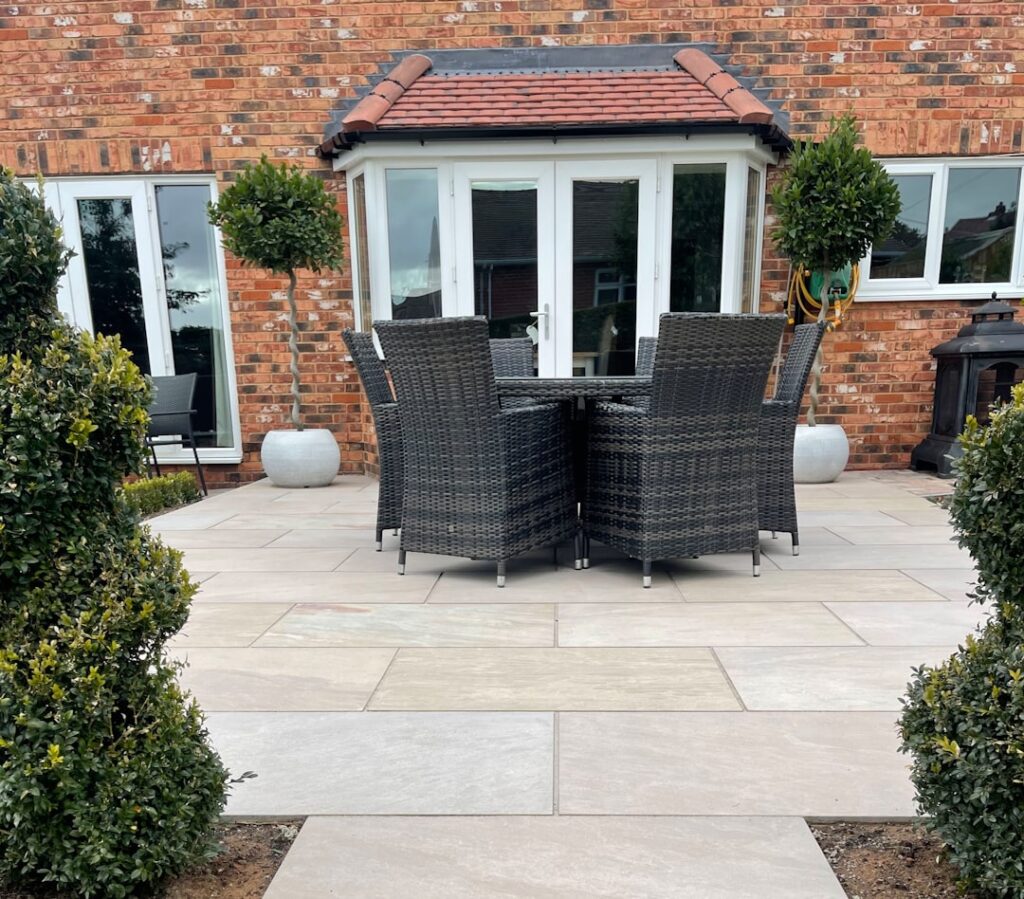
Not every outdoor plant needs a garden bed. Containers let you garden on a patio, balcony, or deck, and they make it easy to move plants to chase the sun or shelter them from frost. Good choices for pots include trailing petunias and sweet potato vine for spilling color, upright geraniums and ornamental grasses for height, and compact boxwood for evergreen structure. The classic “thriller, filler, spiller” formula, one tall focal plant, a few mounding fillers, and a trailing edge plant, creates a balanced container that looks full all season. Just remember that pots dry out faster than the ground and need more frequent watering, sometimes daily in peak summer heat.
Matching Plants to Your Conditions
Before you buy anything, assess three things: how much direct sun the spot gets (full sun is 6-plus hours, partial is 3 to 6, shade is under 3), your soil drainage, and your USDA hardiness zone, which you can look up by ZIP code. A sun-loving lavender planted in shade will sulk and rot, while a hosta in blazing afternoon sun will scorch. Read the plant tag, which lists light needs, mature size, and zone range, and trust it. Spacing matters too; crowding invites disease and stunts growth.
The Bottom Line
Knowing your outdoor plants with names transforms gardening from guesswork into a plan. Build a foundation with returning perennials and structural shrubs, layer in annuals for nonstop color, add grasses and vines for texture and height, and choose drought-tolerant natives where water is scarce. Match each plant to your sun, soil, and zone, follow the tag, and your yard will reward you with seasons of healthy growth.