Walk into a tile showroom or browse a regional flooring catalog and you will eventually run across Palermo flooring, a name used for a warm, Mediterranean-inspired plank and tile aesthetic rather than a single national brand. The confusion is real: several manufacturers and regional dealers use “Palermo” for different product lines, from porcelain tile that mimics travertine to wood-look vinyl planks. Before you fall in love with a sample, it pays to understand what the Palermo style actually delivers and how to pin down which specific product you are buying.
- What “Palermo” Flooring Usually Refers To
- The Palermo Aesthetic and Where It Works
- Pros of Palermo-Style Flooring
- Cons and Things to Watch For
- How to Verify the Exact Product Before Buying
- What Palermo Flooring Typically Costs
- Buying Guide: Matching the Material to the Room
- Design Tips for Living With the Palermo Look
What “Palermo” Flooring Usually Refers To
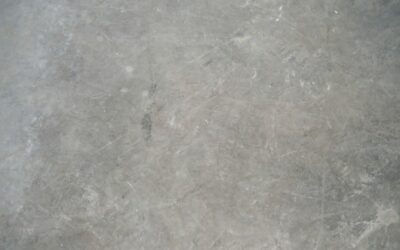
Named after the sun-soaked Sicilian city, Palermo flooring leans into earthy, Old-World tones: honeyed beiges, soft grays, warm browns, and the gentle veining of natural stone or weathered wood. You will find the name attached to porcelain and ceramic tile, luxury vinyl plank, and occasionally engineered wood collections. Because the word describes a look more than a trademarked product, the same name can sit on very different materials depending on the maker.
That is the most important thing to grasp up front. When a salesperson says “Palermo,” ask whether you are looking at porcelain tile, vinyl, or engineered wood, because the installation method, durability, and price diverge sharply. The aesthetic is the throughline; the construction is not.
The Palermo Aesthetic and Where It Works
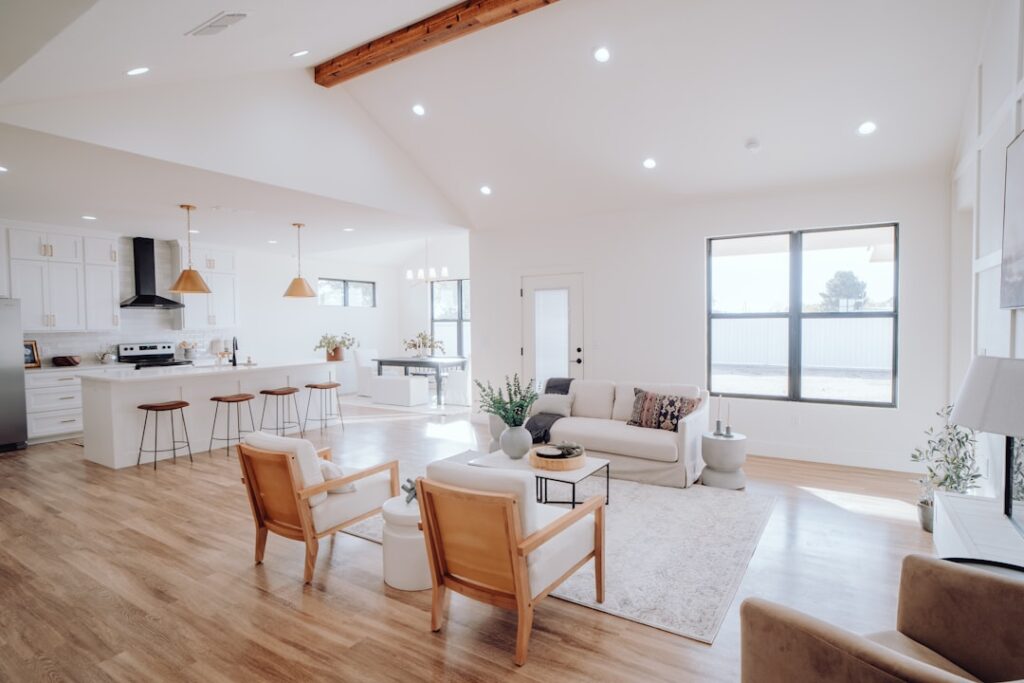
The Palermo design family suits homes going for a transitional, Tuscan, coastal, or rustic-modern feel. The muted, warm palette hides dust and minor scuffs better than stark white or jet-black floors, which makes it forgiving in busy households. It pairs naturally with cream cabinetry, wrought-iron fixtures, and natural-wood furniture.
If your product is the porcelain-tile version, it shines in kitchens, entryways, bathrooms, and outdoor-adjacent patios where you want a stone look without sealing real travertine. The vinyl-plank version brings the same warmth to living rooms and bedrooms with softer underfoot comfort and easier installation.
Pros of Palermo-Style Flooring
- Timeless, warm look: The Mediterranean palette ages gracefully and rarely feels dated the way trend-driven grays can.
- Forgiving in daily use: Mottled, multi-tone surfaces hide crumbs, pet hair, and light wear.
- Stone look without stone maintenance: Porcelain Palermo tile gives you the travertine aesthetic without annual sealing.
- Versatile across rooms: Works in wet areas, high-traffic zones, and open-concept living spaces.
- Range of price points: Available as budget vinyl or higher-end porcelain, so it can fit different budgets.
Cons and Things to Watch For
The biggest drawback is not the floor itself but the ambiguity around the name. Because multiple companies use “Palermo,” warranties, wear ratings, and quality vary widely from one product to another. A premium porcelain Palermo tile from an established maker is a very different purchase from a thin import that shares only the name.
If the product is porcelain or ceramic tile, expect a hard, cold, unforgiving surface; dropped glassware shatters and standing for long stretches is tiring without rugs. Tile also requires skilled installation with proper substrate prep, the right thinset, and movement joints. If the product is vinyl, watch the wear-layer thickness and confirm it is rated for your traffic. In all cases, dye-lot variation means you should buy from a single batch and order 10% extra for cuts and future repairs.
How to Verify the Exact Product Before Buying
Treat “Palermo” as a starting point, not a guarantee. Do this homework before you commit:
- Identify the manufacturer or private-label brand printed on the box or spec sheet, not just the collection name.
- Pull the official spec sheet and confirm the material type, thickness, PEI rating (for tile), or wear layer in mils (for vinyl).
- Ask for the written warranty and read what it actually covers and for how long.
- Confirm the specific dye lot and order enough for waste plus attic stock.
- Check independent reviews tied to that exact product line, since two “Palermo” floors can perform very differently.
Pro tip: photograph the full label and any model or SKU number. That single number lets you confirm specs, find matching transition pieces, and reorder later if a plank or tile gets damaged.
What Palermo Flooring Typically Costs
Prices vary by material and maker, so treat these as general market estimates rather than official quotes. Porcelain or ceramic Palermo-style tile commonly runs about $2.50 to $7.00 per square foot for the material, with premium large-format or imported lines reaching higher. Palermo-style luxury vinyl plank generally lands around $2.00 to $5.00 per square foot. Engineered-wood versions tend to start near $4.00 and climb past $8.00 per square foot depending on species and veneer thickness.
Installation adds meaningfully to the budget. Professional tile setting often runs $5.00 to $12.00 per square foot once you include substrate prep, thinset, grout, and labor, while floating-vinyl installation typically adds $1.50 to $4.00 per square foot. These figures are approximate and shift with region, subfloor condition, and demand, so always get a written, itemized quote.
Buying Guide: Matching the Material to the Room
Choose the construction based on where the floor lives. For a wet, high-traffic kitchen or a bathroom, the porcelain Palermo tile is the durable, water-immune pick; look for a PEI 4 or 5 rating and a slip-resistant finish. For bedrooms, living rooms, and basements where comfort and easy DIY install matter more, the vinyl-plank version with at least a 12-mil wear layer is the smarter buy.
Acclimate tile and plank in the room for 48 hours, keep the space between roughly 65°F and 85°F during installation, and start your layout from the room’s center or most visible sightline so cut pieces fall along walls. For tile, use the right thinset and trowel notch for the tile size, maintain consistent grout-joint spacing with tile spacers, and seal the grout after it cures to keep it from staining. For the vinyl version, leave a 1/4-inch expansion gap around the perimeter and hide it under baseboard.
Most importantly, verify the manufacturer and spec sheet before you pay. When you confirm exactly what you are buying, Palermo flooring delivers a warm, durable, design-forward floor that holds up for years.
Design Tips for Living With the Palermo Look
The warm, multi-tone palette is forgiving, but it still rewards thoughtful pairing. Keep wall colors in the cream, warm white, or soft sage family to let the floor’s honeyed undertones read as intentional rather than muddy. Natural light flatters this aesthetic, so where possible avoid heavy cool-toned LED bulbs that can wash the warmth out; bulbs in the 2700K to 3000K range keep the floor looking rich.
Layer in texture to complete the Mediterranean feel. Wrought-iron hardware, woven jute or wool rugs, terracotta accents, and natural wood furniture all complement Palermo-style flooring. If you run the same product through adjacent rooms, the continuous warm tone makes a small home feel larger and more cohesive, which is one quiet advantage of committing to a single floor across an open plan.
Prefer to explore on your own?
See how new flooring looks in your actual room in seconds — free, no signup.
Try the free Floor Studio →