Watch where people cluster at any backyard party and it is never the seating area — it is wherever the drinks are. A patio bar formalizes that gravity, turning a drink cooler on a side table into an actual destination with counter space, stools, and storage. The category runs from a $150 folding tiki bar to a $15,000 masonry outdoor kitchen wing, and the right answer depends on how you entertain, what your climate does to furniture, and whether you want something movable or something permanent. Here is the full landscape, with real dimensions and costs.
Bar Sets: The Fast, Movable Option
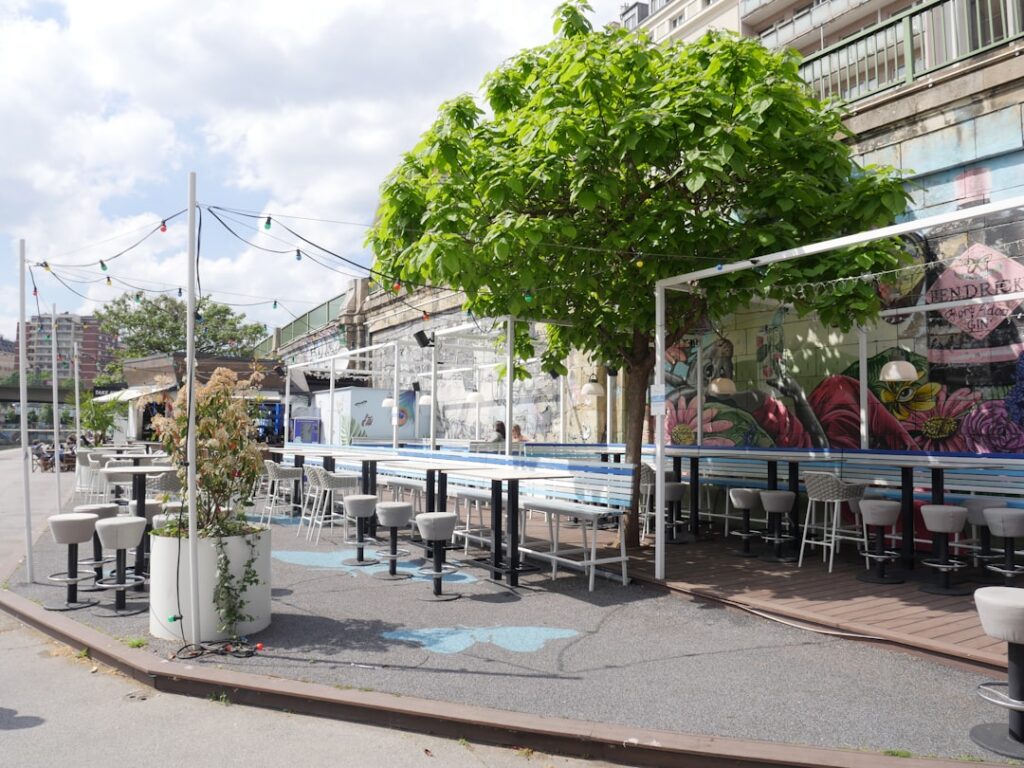
A patio bar set — a bar-height table or console with matching stools — is the entry point, deliverable this week and rearrangeable forever. Three formats dominate. Bar table sets pair a 40-to-42-inch-high table (round or square) with two to four 28-to-30-inch stools, from $200 for steel-and-glass to $800-plus in wicker or aluminum. Console-style bars add function: a counter with shelving behind, often a footrest rail, sometimes a sink cutout for an ice bucket — Keter’s resin bar sets ($250–$450) own the value tier here, with genuinely weatherproof HDPE and built-in ice storage. Serving bars with canopies (the classic tiki or thatch-top bar, $300–$900) give the bartender shade and the party a focal point. On materials, the outdoor rules apply double at a bar, where spilled margaritas meet sun: HDPE resin and powder-coated aluminum shrug everything off, eucalyptus and acacia need annual oiling, and any woven wicker should be resin, not natural. Check stool weight ratings (250-pound minimum) and favor stools with footrests — bar-height seating without one gets abandoned within an hour.
Bar Carts and Convertible Pieces
Small patios entertain too. A rolling outdoor bar cart ($100–$400) parks against the wall as a plant stand all week and becomes the drink station on Saturday; look for locking casters, a bottom shelf rated for a full cooler, and marine-grade stainless or resin construction. Cooler-bar hybrids — a bar-height table with an insulated well in the center, or the classic party cooler on a stand — run $150–$500 and solve the ice problem elegantly. Fold-down wall bars (a hinged counter mounted to a fence or exterior wall, $80–$250 or a satisfying DIY with a piece of sealed butcher block and heavy shelf brackets) give balconies a real bar footprint of zero square feet when closed. These pieces make more sense than a full set anywhere space is the binding constraint.
Built-In Bars: Dimensions That Work
Permanent bars transform a patio, and they live or die on ergonomics settled decades ago by indoor bars. The numbers to build to: bar top at 42 inches high, 16 to 20 inches deep for a drink rail or 24-plus if food gets served; a working counter behind at 36 inches high with at least 24 inches of aisle (36 is better) for the bartender; a 10-to-12-inch overhang on the guest side so knees fit under; and 24 inches of width per seated guest — so a three-stool bar wants a 6-foot top. An L-shaped bar of 6 and 4 feet comfortably serves five or six and defines the corner of a patio beautifully.
Construction options scale with budget:
- Timber-framed bar with a sealed wood or poured-concrete top: the classic DIY, $500–$1,500 in materials over a weekend or three.
- Concrete block core with stone or stucco veneer and granite top: the contractor standard, $3,000–$8,000 built.
- Outdoor-kitchen integration: bar top as the raised counter behind a grill island, $8,000–$20,000-plus with appliances.
Whatever the shell, spec outdoor-rated everything: granite, concrete, porcelain, or tile tops (butcher block only if you enjoy refinishing), stainless or marine-polymer cabinet doors, and slip-resistant flooring in the service aisle.
Plumbing, Power, and the Stuff That Makes It a Real Bar
Utilities separate a counter from a bar. A small bar sink with a cold line and a proper drain (or a code-legal dry well where allowed) changes cleanup entirely — budget $500–$1,500 plumbed during construction, far more retrofitted. Power matters even more: a GFCI-protected circuit runs the blender, string lights, and the single most beloved outdoor bar appliance, the outdoor-rated refrigerator ($400–$1,500 for UL outdoor-listed units from brands like Blaze and Bull — indoor mini-fridges die quickly and void warranties outside). Ice merits planning too; a dedicated drop-in ice bin with a drain costs $200–$600 and beats hauling bags all night. And shade is not optional in most of the country — a pergola, cantilever umbrella, or roof extension over the bar doubles its usable hours and protects every finish under it.
Layout: Where the Bar Should Go
Bars work hardest at edges and transitions. Put a built-in bar where it faces the action — bartender looking at the pool or seating area, not a fence — and within 30 feet of the kitchen door, or restocking becomes a chore that kills the host’s evening. Keep it out of the grill’s smoke line, and off the primary walkway so a cluster of standing guests does not block circulation. On raised decks, a bar-height counter along the railing with stools facing the view is the highest-value few feet of deck there is, often built for a few hundred dollars in materials. For movable sets, the same logic applies loosely: anchor the bar near power and shade, and let the seating orbit it.
A Weekend DIY Bar That Actually Holds Up
The most-built patio bar in America is the pallet-and-plywood weekender, and most of them sag by August. Building one that lasts costs barely more. Frame with pressure-treated 2x4s (not pallets, which are inconsistent and often chemically treated for shipping), sheath with exterior-grade plywood or cedar fence pickets, and top it with either a 2-inch laminated cedar slab sealed with spar urethane or — the durable upgrade — a poured-in-place concrete top using a melamine form, about $60 in materials for a 6-foot top. Set the finished height at 42 inches, add a 4-inch toe kick, and bolt a 2×6 drink rail ledge to the guest side. Two weekends, $350–$600 in materials, and it outlives most bought sets. The two mistakes to design out from the start: no roof drip line running onto the bar top (position it or flash it), and no untreated wood touching the slab — set posts on composite shims or galvanized standoffs so the frame’s feet are not wicking water off the patio all year.
What to Spend, Honestly
Match investment to entertaining reality. Hosting a few times a summer: a $250–$500 resin bar set or cart covers it, stores easily, and owes you nothing in three years. Weekly outdoor dinners and a covered patio: an $800–$1,500 quality set or a DIY built-in with a concrete top earns daily use. A pool, a crowd, and a long season: the $5,000-plus masonry bar with power, refrigeration, and shade is the piece that reorganizes how the whole yard gets used — and among permanent outdoor features, bars and outdoor kitchens consistently return value at resale in warm-climate markets. The one universal mistake is buying bar-height anything without trying the stools; comfort at 42 inches is entirely about footrests and seat depth, and no amount of granite fixes wobbly seating.
Bottom Line
A patio bar succeeds when it matches your hosting rhythm: carts and fold-downs for small spaces, resin or aluminum sets for flexible entertaining, and built-ins at 42 inches with real power, shade, and 24 inches per stool when the backyard is the venue. Start with where the drinks already end up — then build that spot the counter it deserves. And whichever tier you land in, buy or build the shade and the footrests first; every abandoned patio bar in America failed on one of those two details, not on the countertop.