A pergola filters sun; a gazebo stops weather. That solid roof is the whole reason to buy a patio gazebo — rain, UV, even snow in the right models — and it’s why prices span from $800 aluminum hardtops to $12,000 cedar pavilions. The category is crowded with lookalike listings that differ enormously in frame gauge and roof rating, so this guide sorts the styles, the sizes that actually fit furniture, and the specs that separate a ten-year structure from a two-season one.
- Gazebo vs. Pergola vs. Canopy: Terms First
- Hardtop Metal Gazebos: The Volume Category
- Wood Gazebos and Pavilions
- Sizing: Match the Roof to the Furniture
- Snow and Wind Ratings: Read Before You Buy
- Anchoring and Site Prep
- Features Worth Paying For
- Placement: Where the Gazebo Should Sit
- Maintenance by Season
- Buying Recommendations by Budget
Gazebo vs. Pergola vs. Canopy: Terms First
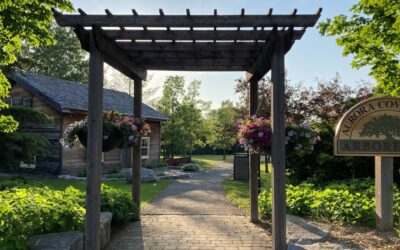
Retailers blur these words, so here’s the working distinction. A gazebo has a solid, permanent roof — polycarbonate, steel, aluminum, or shingles — on a rigid frame. A pergola has an open slatted top (our pergola ideas guide covers that category). A canopy is fabric on a light frame, portable and seasonal — genuinely different animals, compared in our patio canopy guide. Beware “soft-top gazebos” in listings: those are canopies wearing a gazebo price tag. If year-round rain protection is the goal, hard roof or nothing.
Hardtop Metal Gazebos: The Volume Category
Most patio gazebos sold today are aluminum-framed hardtops with polycarbonate or galvanized steel roof panels. A 10×12 from brands like Sojag, Sunjoy, or Yardistry’s metal-roof line runs $1,300 to $3,500; budget 10×10 units start around $800. Nearly all include mosquito netting tracks, and many add curtain rails — a real livability upgrade on humid evenings.
Spec differences that matter: frame extrusions of 2.5 inches or more resist racking, powder-coated aluminum shrugs off rust where cheap painted steel doesn’t, and a double-tier “vented” roof bleeds wind gusts and hot air. Polycarbonate panels brighten the space but drum in rain and can yellow after 8 to 10 years; steel panel roofs are darker, quieter, and typically carry the better snow numbers.
Wood Gazebos and Pavilions
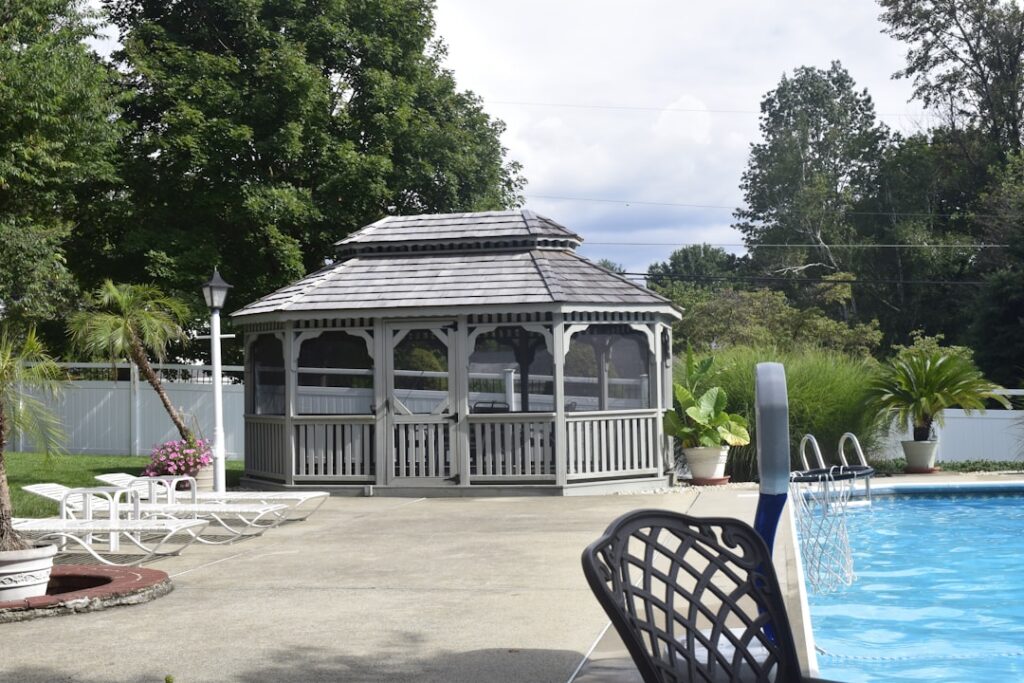
Cedar and redwood structures bring the premium look: a 10×12 cedar gazebo kit with an aluminum or shingle-ready roof runs $3,000 to $6,000 (Yardistry’s cedar line dominates the warehouse-club channel around $2,500 to $4,000), while custom-built octagonal gazebos or open-sided pavilions land at $6,000 to $15,000 installed. Wood handles snow loads well, accepts ceiling fans and wiring gracefully, and can be shingled to match the house. The cost is maintenance — plan on stain or sealer every two to three years, same as any outdoor structure. Choose wood when the gazebo is a permanent architectural feature; choose aluminum when it’s an appliance.
The pavilion variant deserves a specific mention: same solid roof, no railings or lattice walls, posts only. Over a dining zone or outdoor kitchen, pavilions beat classic gazebos on furniture flexibility and traffic flow, and most “gazebo” searches for patios are really pavilion needs. Vinyl-clad wood pavilions split the difference on maintenance — white vinyl over treated framing, hose-clean, $4,000 to $10,000 in kit form.
Sizing: Match the Roof to the Furniture
Measure your furniture footprint before the slab, because gazebo dimensions are roof dimensions — usable floor space is 6 to 12 inches smaller each way once legs and netting tracks intrude.
- 10×10: a 4-piece conversation set or a 42-inch bistro table — cozy, and the most common regret size
- 10×12: the sweet spot; seats a 6-person dining set or a full sofa group
- 12×14 to 12×16: dining plus a lounge corner, or an outdoor kitchen run
- 11 to 13 feet round/octagonal: classic garden look; less efficient for rectangular furniture
Check peak and eave heights too: you want 6 feet 6 inches minimum at the eave so tall guests clear the frame, and 10 feet or more at the peak if a ceiling fan is in the plan — blades need 7 feet of clearance to the floor.
Snow and Wind Ratings: Read Before You Buy
This is where cheap and good units truly diverge. Quality hardtops publish roof snow load ratings — look for 20 to 35 pounds per square foot if you live anywhere that accumulates; unrated bargain units routinely collapse under one wet storm. Wind ratings of 35 to 50 mph assume proper anchoring, and netting or curtains closed in a gust act as sails, so open them when weather threatens. In heavy-snow country, either buy a steep-pitch steel roof rated 35+ psf or commit to clearing the roof with a broom after big storms.
Anchoring and Site Prep
Every manufacturer requires anchoring, and every flipped gazebo I’ve seen skipped it. On a concrete slab, use 3/8-inch wedge anchors or Tapcon screws through the factory base plates — 15 minutes of work. On pavers, remove units at each leg and pour 12-inch anchor blocks, or drive 30-inch ground screws just outside the field; never rely on paver weight alone. On decks, lag into joists, not decking boards. If you’re building the surface and structure together, plan footprint and anchor points at the design stage — our patio design guide covers integrating structures into the layout, and a gazebo full of furniture concentrates 200-plus pounds per leg, so the base underneath matters as much as the bolts.
Features Worth Paying For
Ranked by real-world value: a vented double roof (wind survival and summer comfort), included netting with smooth-running tracks, integrated gutter channels that dump rain at the corners instead of sheeting off every edge, pre-wired or hook-ready ceiling points for a damp-rated fan ($100 to $250), and curtain tracks for wind screening. Skip paying extra for flimsy built-in shelves and low-gauge “decorative” side panels — aftermarket versions are better and cheaper. Lighting deserves early planning too: run a buried exterior circuit or plan a solar-plus-battery setup before the slab and anchors go in, because a gazebo with light and a fan gets evening use a dark one simply doesn’t.
Placement: Where the Gazebo Should Sit
Placement decides whether the structure gets used daily or becomes yard sculpture. Close to the kitchen door wins for dining gazebos — every 10 extra feet of carry distance measurably cuts how often meals migrate outside. Destination placement at the yard’s far corner suits lounge and hot-tub gazebos, where the point is separation. Check the sun path before anchoring: a roof stops overhead sun, but 4 p.m. light comes in sideways, so orient a solid wall, curtain side, or planting screen to the west. Leave 3 feet of clearance around the perimeter for mowing and maintenance, and confirm setback rules — most codes treat a gazebo like any accessory structure, 5 feet off property lines, with permits commonly triggered above 120 to 200 square feet depending on jurisdiction.
Maintenance by Season
Aluminum hardtops ask for almost nothing: hose the roof panels each spring (a soft brush on polycarbonate, never abrasives), clear leaves from gutter channels in fall, and check anchor bolts annually. Steel-roofed units want a yearly look at panel screws and gaskets, retightened where washers have relaxed. Wood gazebos follow deck logic — wash and inspect each spring, restain every two to three years, and re-caulk shingle-roof flashing as needed. Everywhere it snows, either verify your roof rating covers your zone’s ground snow load or broom off accumulations past 6 to 8 inches; and everywhere it blows, open the netting and curtains before storms so the structure sheds wind instead of catching it.
Buying Recommendations by Budget
Under $1,200: a 10×10 aluminum hardtop from Sunjoy or similar — fine in mild climates, anchor it well. $1,500 to $3,500: the value tier; a 10×12 or 12×14 Sojag or Yardistry hardtop with vented roof and netting covers most families for a decade. $3,000 to $6,000: cedar kits for permanent, house-matched structures. Above $6,000: custom pavilions, at which point compare quotes against a roofed pergola build. Assembly runs 6 to 12 hours for two people on kits, or $300 to $800 hired out — and whatever you buy, put anchoring on the same day’s to-do list, not next weekend’s.