For the look of vintage encaustic cement tile or a bold geometric floor without the weight, cost, or upkeep of real tile, pattern vinyl tile is the answer more and more homeowners reach for. These printed, waterproof tiles deliver Moroccan, Victorian, hexagon, and geometric designs that used to require expensive imported stone, and they install in a fraction of the time. Whether you want a statement kitchen floor or a colorful entryway, patterned LVT puts high design within reach of a weekend DIY budget. This guide covers the design options, the genuine pros and cons, costs, and how to install it cleanly.
What Pattern Vinyl Tile Is
Pattern vinyl tile is luxury vinyl tile (LVT) printed with decorative designs rather than plain stone or wood looks. A high-resolution image layer carries the pattern, protected by a clear wear layer, over a rigid or flexible core. The result is a waterproof, resilient tile that mimics encaustic cement, terrazzo, mosaic, or geometric patterns convincingly.
Because the design is printed, you get the intricate, colorful looks of artisan tile without the porous, high-maintenance reality of real cement tile, which needs sealing and can stain. Patterned LVT comes in click-lock and glue-down formats, in both tile and plank shapes.
Popular Pattern Styles
The design range is one of the biggest draws. A few directions dominate, each setting a distinct mood.
- Encaustic and Moroccan: Intricate, colorful repeating motifs that evoke handmade cement tile, perfect for kitchens and entries.
- Geometric and graphic: Hexagons, diamonds, and bold shapes for a modern, energetic floor.
- Terrazzo and speckled: Subtle multi-color flecks that hide dirt and feel contemporary.
- Classic checkerboard and mosaic: Timeless black-and-white or detailed mosaic looks for traditional spaces.
The Pros
Style at a low cost and effort tops the list. Patterned LVT delivers designer looks for a fraction of real cement or encaustic tile, and it installs far faster because there is no thinset, grout, or wet saw. A click-lock version lets a DIYer finish a bold floor in a weekend.
Practical performance backs up the looks. The tiles are fully waterproof, so they suit kitchens, baths, laundry rooms, and entries; they feel warmer and softer underfoot than real tile; and unlike porous cement tile, they never need sealing and resist stains. Individual tiles can also be replaced if one is damaged.
The Cons
Patterned LVT has trade-offs. The pattern lives in a printed layer, so a thin wear layer (under 12 mil) can scratch or scuff and eventually wear through the design under heavy traffic. Pattern matching at seams takes care; mismatched tiles ruin the effect, and busy patterns can be harder to lay straight than plain planks.
Bold patterns also commit you to a strong look that can feel dated or overwhelming if used across large open areas, so many designers reserve them for defined spaces. And like all vinyl, it is petroleum-based, which some eco-minded buyers prefer to avoid. None of these are dealbreakers with good product and careful installation.
Where to Use It
Pattern vinyl tile shines as a focal point rather than wall-to-wall everywhere. Match the boldness of the design to the size and role of the room.
- Entryways and mudrooms: A patterned floor makes a strong first impression and hides tracked-in dirt.
- Kitchens: Encaustic or geometric patterns add character and stand up to spills.
- Bathrooms and powder rooms: Small spaces are ideal for bold patterns that would overwhelm a large room.
- Laundry rooms: A fun pattern brightens a utilitarian space, and the waterproof surface handles leaks.
How to Choose and Install It
Quality and prep determine whether the pattern looks crisp for years. Check the wear layer first: aim for at least 12 mil, and 20 mil for busy kitchens and entries. Confirm the tile size and pattern repeat so you can plan a balanced layout.
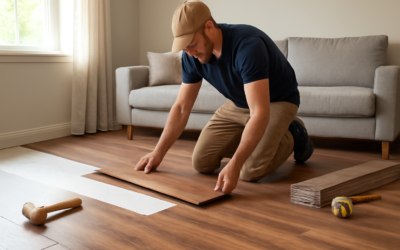
For installation, acclimate the boxes flat for 48 hours and start the layout from the center of the room so cut tiles land symmetrically at the edges, which matters far more with patterns than with plain planks. Dry-lay several rows first to confirm the pattern aligns, leave an expansion gap for floating tiles, and roll glue-down tiles for full adhesion. Keep spare tiles from the same batch for repairs.
What It Costs
Materials typically run $2.50 to $6 per square foot, with designer patterns at the higher end, still far below the $7 to $15-plus per square foot of real encaustic cement tile. Professional installation adds roughly $2 to $4 per square foot, less than the $5 to $12 for setting real tile, and many patterned LVT floors are DIY-friendly.
For a 100-square-foot entry in mid-grade patterned LVT, plan on $450 to $1,000 installed. Order 10 percent extra for cuts and future repairs, and buy from a single lot so the colors match.
Caring for Patterned LVT
Maintenance keeps the design crisp for years. Sweep or vacuum regularly so grit does not abrade the printed pattern, and damp-mop with a manufacturer-approved cleaner. Avoid wax, polish, and abrasive pads, which can dull the surface and prematurely wear through the design layer in busy spots.
Use felt pads under furniture and protectors under rolling chairs to prevent scratches and dents, and place mats at entries to trap abrasive dirt. Wipe spills promptly even though the floor is waterproof. With these simple habits, the pattern stays sharp and colorful well past a decade of normal use.
Design Tips for a Balanced Look
Bold patterns reward a thoughtful layout. Keep wall and cabinet colors relatively neutral so the floor stays the star rather than fighting busy surroundings. In small rooms, a strong pattern fills the space with character; in larger ones, consider framing a patterned center with a plain border to keep it from overwhelming the room.
Coordinate the pattern’s dominant color with at least one element in the room, a vanity, an island, or trim, so the floor feels intentional rather than random. Restraint elsewhere lets the patterned floor do its job.
Final Takeaway
Pattern vinyl tile brings the bold look of encaustic, geometric, and mosaic floors to waterproof, low-maintenance LVT that installs in a fraction of the time and cost of real tile. Use it as a statement in entries, kitchens, baths, and laundry rooms, choose at least a 12-mil wear layer, center your layout, and dry-lay to confirm the pattern. Get those right, and you will have a standout floor that handles real life for years.
Prefer to explore on your own?
See how new flooring looks in your actual room in seconds — free, no signup.
Try the free Floor Studio →