After thirty-plus tile jobs where a homeowner couldn’t decide between bright white and charcoal, I usually reach for a sample of pewter grout color and watch the tension leave the room. Pewter is a medium-to-light warm gray that sits right in the sweet spot between stark white and moody black, and that middle ground is exactly why it has become one of the most requested grout shades in kitchens and bathrooms. It reads as neutral, hides everyday grime far better than white, and lets your tile stay the star of the show instead of the grout lines.
- What Pewter Grout Color Actually Looks Like
- Why Homeowners Choose Pewter Over White or Charcoal
- Best Tile Pairings for Pewter Grout Color
- White and off-white tile
- Gray and greige porcelain
- Marble and natural stone
- Warm wood-look and terracotta
- Pewter Grout Color by Brand
- Sanded vs. Unsanded and What It Means for Color
- Sealing and Keeping Pewter Looking Right
- Cost and What to Budget
- Common Mistakes to Avoid
- The Bottom Line on Pewter Grout Color
If you’re weighing your options for a backsplash, shower, or floor, this guide walks through what pewter actually looks like once it cures, how it behaves in real rooms, which brand-specific colors to ask for, and how to keep it looking clean for years. I’ll give you the same advice I give clients standing in my truck with a fan deck in their hands.
What Pewter Grout Color Actually Looks Like
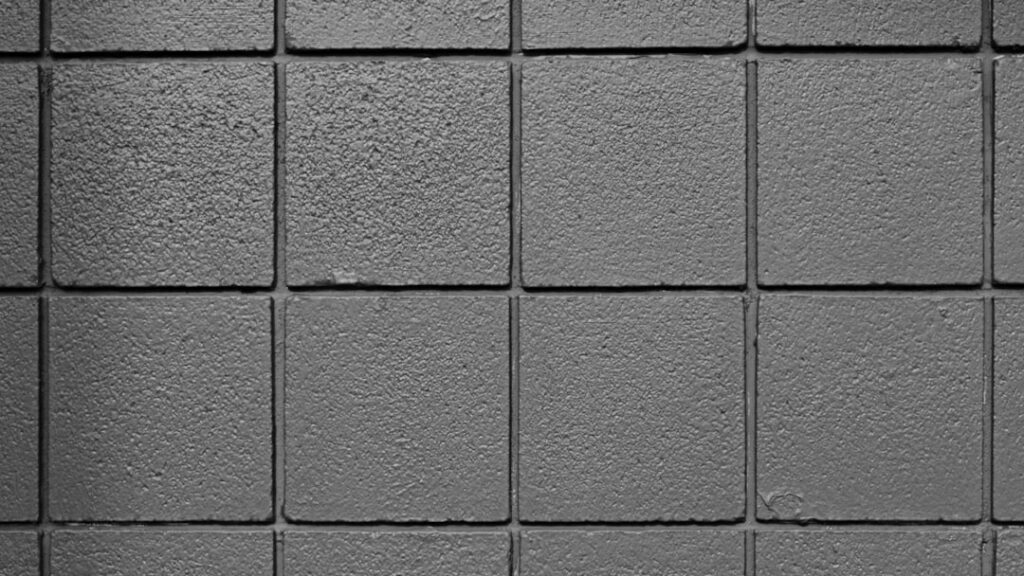
Pewter is a soft, slightly warm gray. Think of the finish on an old pewter mug: not silver, not slate, but a muted middle gray with a faint brownish undertone in most manufacturer versions. In a well-lit room it can look almost greige, and in shadow it deepens to a comfortable dove gray. That warmth is what separates it from cooler grays like “platinum” or “silverado,” which lean blue.
One thing every homeowner should know: sanded grout dries roughly two to three shades lighter than it looks when wet in the bucket. The color on the bag lid or the paper chip is your cured reference, not the wet mix. If pewter looks perfect wet, it will cure lighter and chalkier, so always judge from a cured sample board, not the trowel.
Why Homeowners Choose Pewter Over White or Charcoal
White grout looks crisp for about six months, then every splash of coffee, every mildew spore, and every scuff starts to show. Charcoal and black hide grime beautifully but can feel heavy and, on some tile, draw a hard grid across the wall. Pewter threads the needle. It’s the “forgiving neutral” that most designers default to when they want low maintenance without commitment.
- Hides dirt: A mid-gray masks foot traffic, cooking splatter, and soap film far longer than white.
- Universally compatible: It flatters white subway, gray porcelain, wood-look plank, marble, and most natural stone.
- Timeless: Pewter doesn’t chase a trend the way high-contrast black grout did in 2018, so it ages gracefully.
- Softens the grid: With white or light tile it gives gentle definition without the harsh outline that dark grout creates.
Best Tile Pairings for Pewter Grout Color
The beauty of a versatile neutral is that it rarely fights the tile. Still, some pairings sing louder than others. Here’s where I’ve seen pewter grout color perform best in real installs.
White and off-white tile
Classic white subway tile with pewter grout is the workhorse combination for a reason. You get gentle, low-contrast definition that outlines each tile without shouting. It’s the look you see in transitional kitchens everywhere, and it hides splatter above a range far better than white grout ever could.
Gray and greige porcelain
On gray wood-look plank or a large-format greige porcelain, pewter nearly disappears into the field for a seamless, monolithic floor. That’s ideal when you want the eye to read the tile as a continuous surface rather than a grid of squares.
Marble and natural stone
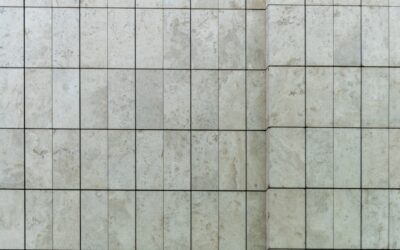
With Carrara or a soft-veined marble, pewter picks up the natural gray veining and ties the whole installation together. It’s a safer bet than white, which can make marble look flat, or black, which can overpower delicate veins.
Warm wood-look and terracotta
Because most pewter formulas carry a warm undertone, they play nicely with wood-look tile and warm earth tones where a cool gray would clash.
Pewter Grout Color by Brand
Grout color names are not standardized, so “pewter” from one manufacturer won’t perfectly match another. Bring home actual chips before you commit. These are the equivalents I reach for most:
- Custom Building Products (Polyblend): Color #545 Bombay and #386 Oyster Gray both land in the warm pewter range; true “Pewter” appears in their sanded lineup as a mid-warm gray.
- Mapei: Look at #02 Pewter and #107 Iron for a slightly cooler take; Pewter is one of their most popular Ultracolor Plus FA shades.
- Laticrete: #24 Natural Gray and #88 Silver Shadow sit in the pewter neighborhood, with SpectraLOCK epoxy offering the most colorfast version.
- TEC: Their “Pewter” and “Silverado” run a touch cooler, so cross-check against the tile in your own light.
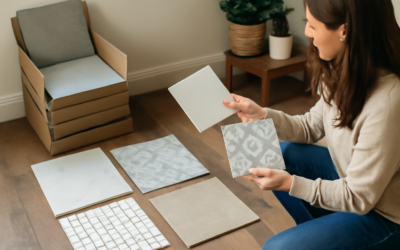
My standing advice: buy one small bag or a color sample of your top two candidates, mix a tablespoon each, and let them cure on scrap tile for 24 hours in the actual room. Overhead lighting, north-facing windows, and warm LED bulbs all shift how pewter reads.
Sanded vs. Unsanded and What It Means for Color
The same pewter can look slightly different depending on the grout type, because sand affects light reflection and texture.
- Sanded grout: Used for joints 1/8 inch and wider. The sand gives a matte, slightly speckled finish that can make pewter read a hair lighter.
- Unsanded grout: For joints under 1/8 inch, common with polished tile and glass. It cures smoother and can look marginally deeper.
- Epoxy grout: Products like SpectraLOCK or Mapei Kerapoxy hold color more uniformly and resist staining, so your pewter stays true instead of blotching over time.
Sealing and Keeping Pewter Looking Right
Standard cement-based pewter grout is porous and will absorb spills if you skip sealing. Even though a mid-gray hides more than white, sealing protects the color from darkening unevenly where water sits.
- Let new grout cure fully before sealing, typically 48 to 72 hours.
- Apply a quality penetrating sealer such as Aqua Mix Sealer’s Choice Gold or Miracle 511.
- Wipe on with a foam brush or applicator bottle, let it dwell 5 to 10 minutes, then buff off the haze.
- Apply a second coat on floors and shower walls for extra protection.
- Reseal every 1 to 2 years on walls and yearly on high-traffic floors.
If you choose an epoxy grout, you can skip sealing entirely, which is why I recommend it for showers and busy kitchen floors even though it costs more and installs slower.
Cost and What to Budget
Grout is one of the cheapest parts of any tile job, so never let price alone drive the color choice. A 10-pound bag of cement-based sanded grout runs about $15 to $22 and covers roughly 100 to 200 square feet depending on tile size and joint width. Epoxy grout jumps to $60 to $90 per unit but buys you stain resistance and no sealing. For a standard backsplash you’ll typically use one bag; a full bathroom floor and shower might need two to three. Budget another $20 to $30 for a good sealer if you go the cement route.
Common Mistakes to Avoid
The errors I see most with pewter are the same ones that trip people up with any gray grout:
- Judging color when wet. Always wait for a cured sample.
- Inconsistent mixing. Adding too much water or varying the ratio bag to bag causes blotchy light and dark patches. Measure your water.
- Skipping the sealer. Unsealed cement grout absorbs stains that make pewter look dirty prematurely.
- Not buying enough at once. Dye lots vary slightly, so purchase all your grout in one trip.
- Wrong grout type for the joint. Using unsanded in a wide joint leads to cracking and shrinkage.
The Bottom Line on Pewter Grout Color
If you want a grout that looks intentional, hides everyday life, and won’t fight your tile choice, pewter grout color is about as safe and stylish a bet as you can make. It carries enough gray to disguise dirt, enough warmth to flatter both cool and warm tile, and enough neutrality to outlast passing trends. Buy a cured sample, match the brand shade to your own lighting, seal it properly or step up to epoxy, and you’ll have grout lines that still look sharp long after white would have gone dingy. In two decades of tile work, pewter is the color I recommend most often to homeowners who want to make one confident decision and never think about it again.
Prefer to explore on your own?
See how new flooring looks in your actual room in seconds — free, no signup.
Try the free Floor Studio →