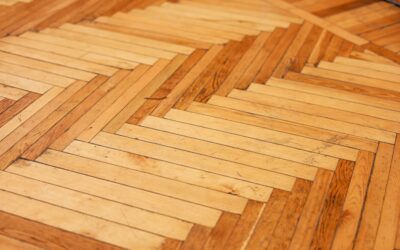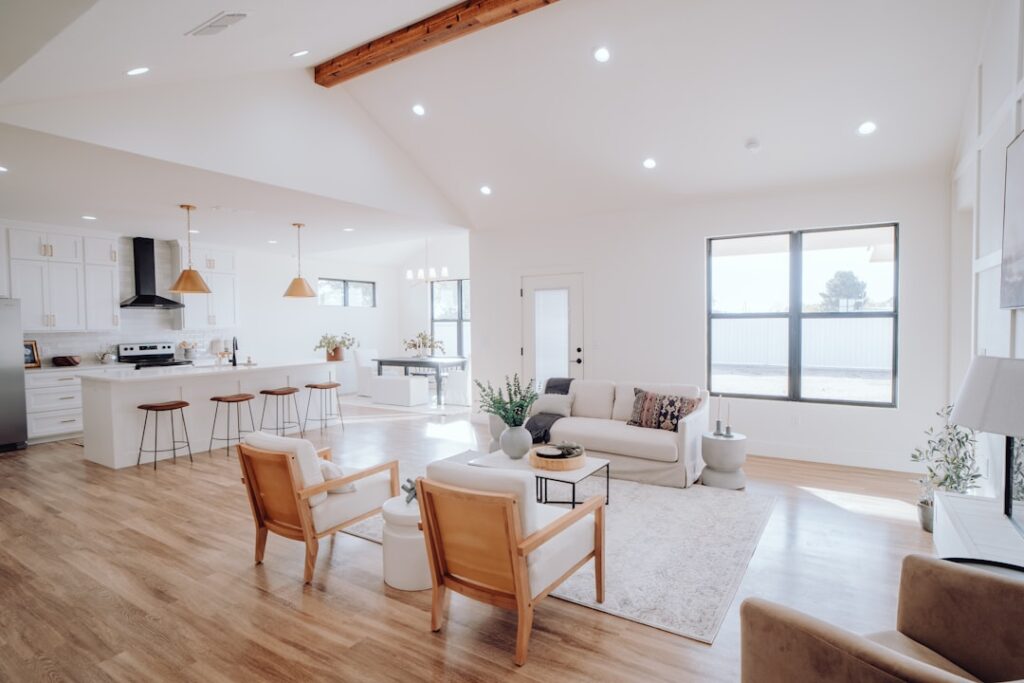
Search for flooring inspiration and you will find that pictures of linoleum reveal a material far more stylish than its dated reputation suggests. Many people picture a scuffed 1970s kitchen, but modern linoleum comes in rich marbled tones, crisp geometric patterns, and natural stone and wood looks that rival any premium floor. Real linoleum is also one of the most eco-friendly and durable surfaces you can buy. After decades of the material being overshadowed by vinyl, it is enjoying a genuine comeback among homeowners who want warmth, longevity, and a distinctive look.
- What You Are Actually Looking At
- Popular Linoleum Styles You Will See
- Linoleum Colors and Their Effect
- How to Tell Real Linoleum from Vinyl in Photos
- Design Ideas by Room
- Why Homeowners Are Choosing It Again
- What to Watch Out For
- Getting the Look on a Budget
- Vintage and Retro Linoleum Looks
- How Linoleum Photographs in Real Homes
- The Bottom Line
This guide walks through the styles and patterns you will see in the photos, how to tell true linoleum from vinyl, and how to use it in real rooms.
What You Are Actually Looking At
When you browse images of linoleum, it helps to know what the material is. True linoleum is made from natural raw materials: linseed oil, pine resin, cork dust, wood flour, and mineral fillers pressed onto a jute backing. That natural composition gives it a distinctive matte, slightly textured appearance with color that runs all the way through the material rather than sitting on a printed surface.
This is why photos of well-kept linoleum have a warm, organic depth that printed vinyl often lacks. The color is integral, so scratches and wear are far less visible than on a floor with a thin printed wear layer. Understanding this makes it easier to appreciate what you are seeing in the pictures.
Popular Linoleum Styles You Will See
Photos of modern linoleum showcase a surprising range. The material is far more versatile than its old kitchen-floor image implies.
- Marbled and mottled: The classic look, with swirled tones that hide dirt and add subtle movement. Available in nearly every color.
- Solid colors: Bold, saturated shades from deep teal to warm mustard, popular in retro and mid-century designs.
- Geometric and checkerboard: Cut and inlaid tiles create patterns and borders, common in entryways and vintage-inspired kitchens.
- Wood-look and stone-look: Newer plank and tile formats that mimic hardwood or slate while keeping linoleum’s soft, warm feel.
- Sheet with inset borders: Custom designs where contrasting linoleum is inlaid for a bordered, tailored effect.
Linoleum Colors and Their Effect
Color is where linoleum truly shines in photos. Because pigment runs through the whole thickness, the tones read as deep and consistent. Light neutrals like cream, soft gray, and sand make small rooms feel larger and airier. Warm earth tones such as terracotta, ochre, and olive lend a natural, grounded feel that suits farmhouse and Scandinavian styles. Bold saturated colors bring personality to laundry rooms, mudrooms, and playful kitchens.
Marbled patterns are the most practical choice for busy households because their variegated surface disguises crumbs, dust, and minor scuffs between cleanings, which is exactly why they photograph so well even in lived-in homes.
How to Tell Real Linoleum from Vinyl in Photos
Many pictures labeled linoleum are actually vinyl, so knowing the difference protects you when shopping. A few visual and physical cues give it away.
Look at the Surface
True linoleum has a naturally matte, slightly textured finish. Vinyl often looks glossier and more uniform because of its printed photographic layer and clear wear coat.
Check the Edge and Backing
Real linoleum shows color through the full thickness and has a fibrous jute backing. Vinyl reveals a distinct printed layer over a solid or foam core when you look at the cut edge.
Consider Age and Wear
Genuine linoleum in older photos may show a slight yellow cast called blooming, a harmless surface film from linseed oil that fades with light exposure. Vinyl does not do this.
Design Ideas by Room
Seeing linoleum in context helps you imagine it in your own home. In kitchens, a marbled sheet or a checkerboard pattern delivers the classic look with modern durability and a cushioned feel underfoot that is easy on the legs. Bathrooms benefit from linoleum’s natural moisture resistance, though seams should be well sealed. Mudrooms and laundry rooms are perfect for bold colors and geometric inlays that hide dirt and add character. Even bedrooms and home offices work with warm wood-look planks for a soft, quiet floor.
Why Homeowners Are Choosing It Again
Beyond the looks in the photos, linoleum offers real practical advantages that explain its resurgence. It is made from renewable natural materials and is biodegradable, making it one of the greenest flooring options available. It is remarkably durable, with quality installations lasting 25 to 40 years. It is naturally antimicrobial and antistatic, so it resists bacteria and does not attract dust, a plus for allergy sufferers. The color-through construction means it wears gracefully, and a periodic reseal keeps it looking fresh for decades.
What to Watch Out For
- Moisture at seams: Linoleum resists water but can be damaged by standing water at unsealed seams. Proper installation and sealing are key.
- Initial ambering: Fresh linoleum may look slightly yellow until light exposure clears the linseed bloom.
- Requires periodic sealing: Unlike no-wax vinyl, linoleum benefits from resealing every few years to maintain protection.
- Professional installation: Sheet linoleum is stiff and best installed by a pro for clean seams.
Getting the Look on a Budget
If the pictures have you sold but true linoleum stretches your budget, you have options. Linoleum tiles and click-together planks cost less to install than glued sheet and are more DIY-friendly. High-quality luxury vinyl can convincingly mimic linoleum’s marbled and retro looks at a lower price, though it lacks the natural composition and color-through durability. For the authentic material, expect to pay roughly $4 to $8 per square foot installed, which is competitive with mid-grade vinyl over the floor’s long lifespan.
Vintage and Retro Linoleum Looks
Some of the most striking photos are of vintage installations, and the retro appeal is driving fresh interest. Mid-century homes often featured bold checkerboard patterns, speckled terrazzo-style designs, and saturated single colors that read as distinctly of their era. Homeowners restoring period homes seek out reproductions of these looks, and manufacturers have responded with designs that capture the nostalgia while using modern, more durable formulations.
If you love the retro aesthetic, you can recreate it two ways: hunt for authentic reproduction linoleum, or approximate it with pattern layouts using linoleum tiles cut and inlaid on site. A black-and-white checkerboard entry or a border of contrasting color around a solid field gives a room genuine vintage character that flat, printed vinyl struggles to match, because the color depth of real linoleum reads as authentic rather than photographic.
How Linoleum Photographs in Real Homes
One reason these pictures are so persuasive is that linoleum photographs well under everyday conditions. Its matte finish avoids the harsh glare that makes glossy vinyl look plasticky in photos, and the color-through construction gives it a consistent, saturated appearance even in rooms with mixed lighting. Marbled and mottled patterns hide the small imperfections and crumbs that would show on a solid floor, so a lived-in kitchen still looks tidy in a snapshot. That combination of soft finish and forgiving pattern is exactly why the material looks so inviting in inspiration galleries and why it translates well from photo to real installation.
The Bottom Line
Browsing pictures of linoleum quickly dispels the outdated stereotype and reveals a warm, versatile, and genuinely stylish flooring option. From swirled marbled tones to crisp checkerboards and modern wood-look planks, the material offers a look for nearly every room and design style. Just remember that many photos labeled linoleum are actually vinyl, so check for the matte texture, jute backing, and color-through construction that mark the real thing. With its natural composition, 25-to-40-year lifespan, and graceful wear, authentic linoleum is more than a nostalgic choice. It is a smart, sustainable floor that looks as good in your home as it does in the inspiration photos.