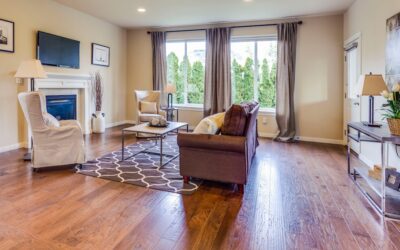
Pine wood flooring has a warmth and character that harder, more refined woods cannot replicate. Its prominent knots, visible grain, and golden tones bring instant rustic appeal to any room. Pine has been used as flooring for centuries, and many historic homes still showcase original pine floors that look better with age than they did when first installed.
This guide explores pine flooring in depth, covering its unique properties, the different types available, realistic cost expectations, and how to care for a wood that is softer than most but full of personality.
What Makes Pine Flooring Unique
Pine is a softwood, which sets it apart from hardwood flooring species like oak, maple, and walnut. Its Janka hardness rating varies by species but generally falls between 380 and 870 pounds-force, significantly softer than the 1,290 rating of red oak.
This softness is both pine’s greatest charm and its most practical challenge. It dents easily, develops wear marks from daily life, and shows the passage of time in visible, physical ways. For homeowners who value patina and character, this aging process is exactly the point. For those who prefer pristine surfaces, pine may frustrate.
Pine’s color ranges from pale cream to warm honey gold, and it darkens with age and sun exposure to a rich amber. The grain is straight with distinctive knot patterns that vary from small and tight to large and dramatic depending on the grade.
Types of Pine Flooring
Eastern White Pine
Eastern white pine is one of the softest options at around 380 Janka. It is prized for wide-plank flooring in colonial and farmhouse restorations. The wide boards, sometimes up to twenty inches across, were common in 18th and 19th century American homes. Eastern white pine has a light, creamy color with fine grain and smaller knots.
Southern Yellow Pine
Southern yellow pine is significantly harder at 870 Janka, making it the most practical pine species for flooring. It is the workhorse of the pine family, widely available and more resistant to dents than white pine. The color is warm golden yellow with prominent grain and larger knots. Heart pine, the dense heartwood from old-growth southern yellow pine, is even harder and is highly prized for restoration projects.
Reclaimed Heart Pine
Heart pine from reclaimed barn beams and old buildings is the premium tier of pine flooring. This slow-growth wood is denser and harder than modern plantation pine, with a rich amber color and tight grain that modern pine cannot match. Reclaimed heart pine costs significantly more but delivers unmatched character and historical authenticity.
Knotty Pine
Knotty pine is graded to include prominent knots throughout the planks. This is the most rustic and affordable option, popular in cabins, vacation homes, and farmhouse-style rooms. The knots range from small, tight, and stable to larger and occasionally loose, which may need filling during installation.
Clear Pine
Clear-grade pine is selected for minimal knots and uniform grain. It looks cleaner and more refined, suitable for rooms where a smoother, less rustic aesthetic is desired. Clear pine costs more because the selection process wastes more material.
Pine Flooring Costs
Pine is one of the more affordable solid wood flooring options, especially in knotty grades.
Knotty pine runs two to five dollars per square foot for materials. Clear grade costs three to seven dollars. Southern yellow pine falls in the three to six dollar range. Reclaimed heart pine commands eight to fifteen dollars or more per square foot depending on age, width, and source.
Installation costs two to four dollars per square foot for professional work. Total installed costs for standard pine flooring typically range from five to ten dollars per square foot, making it competitive with mid-range hardwood flooring options.
Pros of Pine Flooring
Warmth and character. Pine brings a cozy, lived-in quality that harder woods cannot match. The knots, grain patterns, and natural color create a floor with genuine personality.
Affordability. Standard pine costs less than oak, maple, hickory, and most other solid hardwood species.
Easy to work with. Pine cuts, nails, and sands easily, which can reduce installation labor costs and makes DIY projects more feasible.
Beautiful aging. Pine develops a golden amber patina over time that many homeowners find more attractive than the original color. The dents and marks of daily life add to the floor’s character.
Wide plank availability. Pine is available in wider planks than most hardwood species, which creates a distinctive, traditional appearance.
Cons of Pine Flooring
Softness. Pine dents from dropped objects, furniture legs, pet claws, and even high-heeled shoes. This is the primary practical concern with pine flooring.
Maintenance demands. Softer wood requires more frequent refinishing to maintain a smooth surface. Plan to sand and refinish every five to ten years in active areas.
Not ideal for every room. High-traffic entryways, kitchens with heavy use, and homes with large dogs will show wear quickly on pine floors.
Moisture sensitivity. Like all solid wood, pine expands and contracts with humidity changes. Wide-plank pine is especially prone to seasonal gaps and movement.
Best Finishes for Pine Flooring
Polyurethane. Oil-based polyurethane in a satin or matte finish is the most common protection for pine floors. It provides a durable surface layer that reduces (but does not eliminate) denting. Multiple coats are recommended for maximum protection.
Hardwax oil. A penetrating oil finish gives pine a natural, matte look that highlights the wood’s texture. It is easy to touch up and repair in spots without refinishing the entire floor. This finish shows wear more quickly but is also much simpler to maintain.
Tung oil. Traditional tung oil creates a warm, natural finish that deepens pine’s golden tones. It requires reapplication every one to two years but produces a beautiful, authentic look.
Staining. Pine can be stained, but it absorbs stain unevenly due to its soft, porous grain. Pre-treating with a wood conditioner before staining helps achieve a more uniform color. Dark stains on pine can look blotchy, so test thoroughly before committing.
Where Pine Flooring Works Best
Bedrooms. Low traffic and sock-footed use make bedrooms ideal for pine. The warm, cozy character is perfect for sleeping spaces.
Living rooms. Pine floors in living rooms develop beautiful patina and character. Use area rugs under coffee tables and in main walkways to protect high-wear zones.
Cabins and vacation homes. Pine is the natural choice for rustic retreats. Knotty pine flooring in a lake house or mountain cabin feels absolutely right.
Historic restorations. If you are restoring a colonial, Federal, or farmhouse-era home, pine is historically accurate and period-appropriate.
Maintaining Pine Floors
Sweep or vacuum daily to remove grit, which causes the most damage to soft wood surfaces. Damp mop with a wood-safe cleaner weekly. Avoid excess water, harsh chemicals, and steam mops.
Place felt pads under all furniture legs and replace them regularly. Use doormats at all entries. Keep pet nails trimmed. Put down area rugs in high-traffic zones and under dining tables where chair movement concentrates wear.
Embrace the character that develops over time. Minor dents and scratches are part of pine’s beauty. When the surface finish shows significant wear, a light sanding and recoat restores the floor without removing the wood’s developed patina.
Pine vs. Other Softwoods
Douglas fir is slightly harder than most pine species and has a straighter, tighter grain. It is another popular softwood for flooring with a slightly more refined appearance.
Cedar is softer than pine and too fragile for most flooring applications, though it is sometimes used in closets for its aromatic properties.
Cypress is denser than pine with excellent moisture resistance, making it suitable for porches and covered outdoor areas where pine would deteriorate.
Final Thoughts
Pine wood flooring is not the right choice for every home, but it is the perfect choice for many. If you value character over perfection, warmth over hardness, and a floor that tells the story of your life in its surface, pine delivers in ways that harder, more uniform woods never will. Choose the right grade for your aesthetic, protect it with a quality finish, and enjoy watching it develop its own unique beauty over the years.
Prefer to explore on your own?
See how new flooring looks in your actual room in seconds — free, no signup.
Try the free Floor Studio →