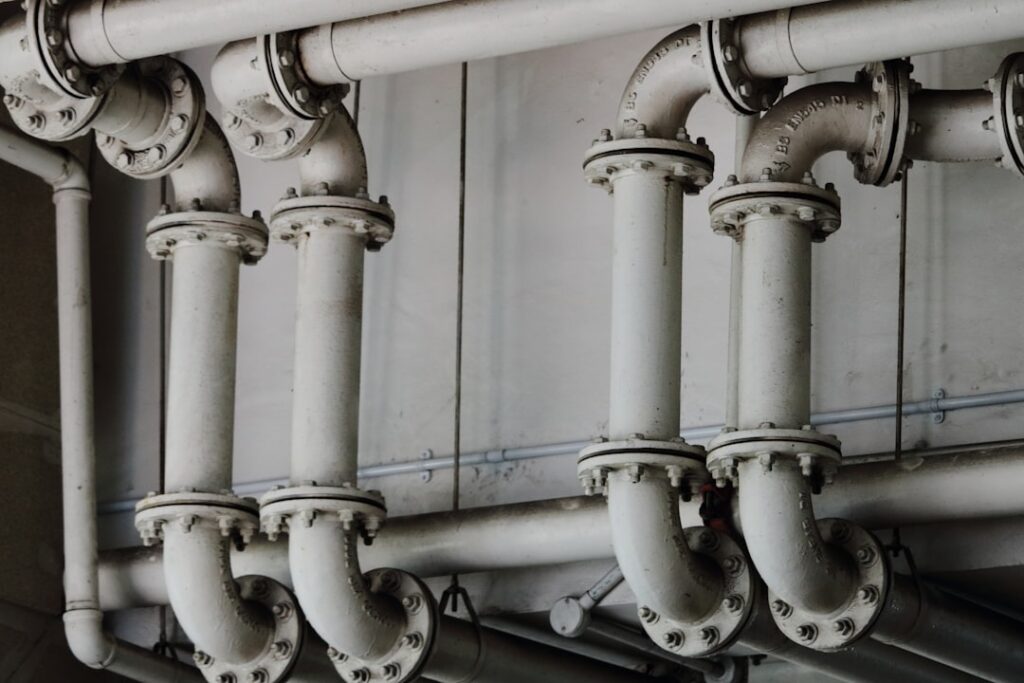
A burst pipe is one of the most expensive accidents a house can have, with the average insurance claim for water damage running north of $12,000, and the prevention often costs less than a pizza. Pipe insulation, the foam, rubber, or fiberglass sleeve that slips over water lines, does three different jobs depending on where you put it: it slows freezing on lines in cold spaces, keeps hot water hot between the heater and the faucet, and stops cold lines from sweating onto framing and drywall in humid climates. At $1 to $4 per 6-foot length for the common foam type, it is arguably the best cost-benefit ratio in home improvement. The trick is knowing which type goes where, and being honest about what insulation cannot do.
- The Three Jobs Pipe Insulation Does
- The Types, Compared
- Polyethylene foam sleeves
- Elastomeric rubber (Armaflex-type)
- Fiberglass pipe wrap and sectional insulation
- Heat cable (the partner product)
- Where It Pays Off Most
- Installation: An Honest Afternoon of Work
- Outdoor Pipes, Hose Bibbs, and the Edge Cases
- What Pipe Insulation Won't Do
The Three Jobs Pipe Insulation Does
Freeze resistance is the headline job. Water expands about 9 percent when it freezes, and a blocked, frozen section builds pressure that splits copper and PEX alike. Insulation slows heat loss from the water in the pipe, extending the time a line can sit in below-freezing air before ice forms, hours instead of minutes in many cases. Note the wording: slows, not prevents. Insulation adds no heat; a pipe in 10°F air for three days will freeze no matter how thick the sleeve. Real freeze protection combines insulation with heat sources, heat cable, air sealing, or rerouting.
Energy savings is the quiet job. The Department of Energy estimates insulating hot water lines raises delivered water temperature 2 to 4°F and lets you reach usable hot water faster, trimming water heating costs a few percent, worth roughly $10 to $30 a year in a typical home, plus the unmeasured savings of not running the tap waiting for heat.
Condensation control is the overlooked job. In humid regions, cold water lines sweat like a soda can, and that chronic drip inside walls, crawl spaces, and cabinets feeds mold and rot that gets blamed on “leaks.” Closed-cell insulation with sealed seams keeps humid air off the cold pipe surface entirely.
The Types, Compared
Polyethylene foam sleeves
The gray or black pre-slit tubes at every hardware store: $1 to $4 per 6-foot stick, roughly R-2 to R-3 at standard 3/8- and 1/2-inch wall thickness. They cut with scissors, snap over pipe in seconds, and handle the bread-and-butter work on hot and cold domestic lines. Buy the size matched to your pipe’s outside diameter, half-inch copper and half-inch PEX take different sleeves, and seal the slit seam with the self-adhesive strip or foil tape. Their limits: they degrade in sunlight unless painted or jacketed, and they should not touch very hot surfaces like flue pipes.
Elastomeric rubber (Armaflex-type)
Flexible black nitrile rubber tubes, $3 to $8 per stick, R-3 to R-4.5 depending on wall thickness. Rubber is the closed-cell champion for condensation control, standard on AC refrigerant lines for exactly that reason, stays flexible in cold, tolerates a wider temperature range, and its glued seams seal genuinely vapor-tight. Choose it for cold lines in humid climates, refrigerant line sets, and anywhere sweating is the enemy. UV still degrades it outdoors over years; paint or jacket exposed runs.
Fiberglass pipe wrap and sectional insulation
Fiberglass comes as wrap rolls for irregular shapes and as rigid molded sections with all-service jackets for straight runs, delivering R-4-plus per inch and handling high temperatures, which makes it the choice for boiler piping, steam lines, and pipes near flues. It must stay dry, wet fiberglass insulates poorly, so it is a poor pick for damp crawl spaces unless jacketed.
Heat cable (the partner product)
Self-regulating heat cable ($30 to $80 for common lengths) adds actual heat, spiraled or run along the pipe under the insulation, and is the correct answer for chronically freezing runs in unheated spaces. Never install heat cable over insulation or inside it against manufacturer instructions, and buy self-regulating types that throttle down as temperature rises.
Where It Pays Off Most
Prioritize by risk and return. First, freeze-exposed lines: anything in crawl spaces, unheated basements and garages, exterior walls, and attics, with hose bibb supplies and the first few feet inside rim joists as the classic burst points. Second, the hot water trunk: insulate at least the first 6 feet of hot and cold line off the water heater (cold too, because it thermosiphons heat away), and ideally every accessible hot run to the far bathrooms; long uninsulated runs to a distant master bath are why the shower takes 45 seconds to warm. Third, sweating cold lines anywhere you have seen dripping or staining. Skip: pipes buried in interior conditioned walls (nothing to gain), and drain lines except where noise reduction is the goal, wrapping a main stack in mass-loaded or fiberglass wrap quiets the waterfall sound in walls surprisingly well.
Installation: An Honest Afternoon of Work
Foam sleeves install almost too easily to describe: clean and dry the pipe, cut the sleeve to length with scissors or a serrated knife, open the slit, snap it on, peel the adhesive strip, and press the seam closed. The craft is in the details. Miter 45-degree cuts at elbows and tees so the fittings get covered rather than skipped, since every bare fitting is a thermal hole and a condensation point; foil or matching insulation tape wraps the joints. Do not compress insulation to force it behind straps and hangers, cut around them and tape. Do not leave gaps at valves; preformed valve covers exist, or build up wrap and tape. For rubber, glue butt joints and seams with the manufacturer’s contact adhesive for a true vapor seal. A whole accessible basement’s worth of lines is typically a 2-to-4-hour job and $40 to $120 in materials. In crawl spaces, wear a headlamp, gloves, and a dust mask, and while you are down there, seal the air leaks around penetrations, since moving cold air freezes far more pipes than still cold air does.
Outdoor Pipes, Hose Bibbs, and the Edge Cases
Outdoor plumbing needs its own playbook. Hose bibbs get insulated faucet covers, the $3 to $8 foam domes that hook over the spigot, every fall in freezing climates, after you disconnect hoses, because a connected hose traps water in the bibb and freezes it regardless of the cover. Better still, frost-free sillcocks put the actual valve seat 8 to 12 inches inside the warm wall, and a $25 to $60 valve swap ends the annual anxiety. Exposed irrigation backflow preventers and well lines want insulated enclosures or heat cable plus a jacketed wrap, and any insulation that lives outside needs UV protection, PVC jacketing, aluminum wrap, or purpose-made outdoor-rated products, because bare foam crumbles after a couple of summers. Inside, two edge cases surprise people: pipes in garage ceilings below bonus rooms freeze routinely when the garage door stays open on cold days, and kitchen sinks on exterior walls benefit from insulating the supply runs inside the cabinet plus leaving the doors open during hard freezes.
While you are insulating pipes, look at the water heater itself. Tanks with an R-value below about R-16, common on older units warm to the touch, save another 7 to 16 percent of standby loss with a $25 to $45 insulation blanket, and pairing tank, first 6 feet of pipe, and accessible hot runs turns an afternoon into a measurable utility-bill line item. Just keep blankets clear of gas burner compartments, drafts hoods, and the TPR valve per the manufacturer’s instructions.
What Pipe Insulation Won’t Do
Keep expectations calibrated. Insulation will not protect a pipe through an extended power-out deep freeze; during extreme cold snaps you still open cabinet doors, drip faucets on vulnerable runs, and keep the house heated. It will not fix a pipe routed through an uninsulatable exterior wall, rerouting or heat cable will. And thin dollar-store sleeves on a severely exposed line offer minutes of extra protection, not immunity; upgrade wall thickness where exposure is real, since 5/8- or 1-inch wall foam and rubber cost little more. Understood as one layer in a system, though, pipe insulation is about the cheapest disaster prevention and comfort upgrade a homeowner can buy, and unlike most projects in this category, you can finish the whole thing before dinner.