Pattern and durability rarely come this affordably packaged together. A plaid wool rug brings a timeless, tailored look to a room while delivering the natural resilience that has made wool the gold standard in floor coverings for centuries. The crisscrossing lines of a plaid, whether a cozy buffalo check, a refined tartan, or a subtle tonal windowpane, add structure and warmth that a solid rug simply cannot. This guide covers wool types, plaid styles, how to size and place one, realistic pricing, and the care that keeps a wool rug looking sharp for decades.
Why Wool Is Worth It
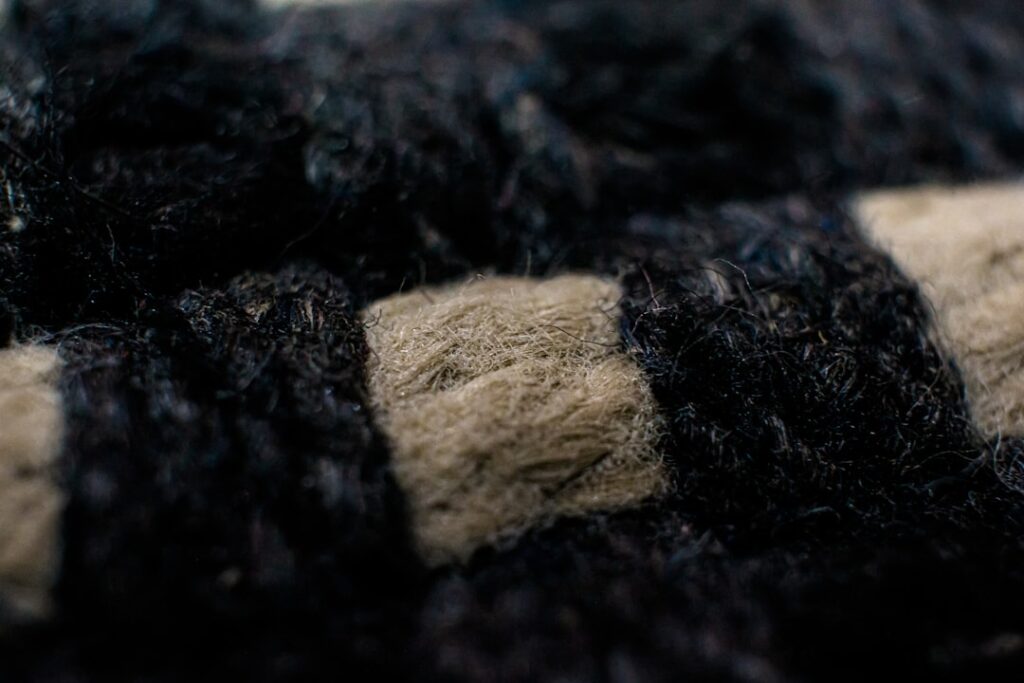
Wool earns its premium. The fiber is naturally springy, so it resists crushing and bounces back from furniture dents and foot traffic better than any synthetic. It is inherently stain-resistant thanks to a protective outer layer that repels liquids long enough for you to blot a spill, and it is naturally flame-retardant and low in static. Wool also holds dye beautifully, giving plaids crisp, saturated color lines that stay vivid for years. Perhaps most impressive, a quality wool rug can last 20 to 50 years with proper care, making it one of the best long-term values in home furnishing.
Wool does have quirks. It sheds loose fibers for the first several weeks, dislikes prolonged moisture, and costs more upfront than polyester or polypropylene. For most homeowners, the durability and feel more than justify the price.
Plaid Styles and What They Signal
Plaid is a family of patterns, and the one you choose sets the room’s whole mood.
- Buffalo check: Bold two-color squares, often black and white or red and black, casual and graphic, perfect for farmhouse and cabin looks.
- Tartan: The classic multi-line Scottish plaid with intersecting stripes of several colors, rich and traditional, great for studies and dens.
- Windowpane: Thin, widely spaced lines forming large open squares, subtle and refined for modern and transitional rooms.
- Glen or houndstooth-adjacent checks: Tighter, tailored menswear-inspired patterns that read sophisticated and neutral.
Color drives the effect as much as the pattern. Tonal grays and creams feel calm and contemporary, while red-and-black or green tartans lean cozy and traditional. Because plaid is already busy, it pairs best with solid or lightly textured upholstery.
How Wool Rugs Are Made
Construction affects both price and longevity. Hand-knotted wool rugs, where each knot is tied individually, are the most durable and valuable, often lasting generations, but they command the highest prices. Hand-tufted rugs, where wool is punched into a backing and secured with latex, offer a plush feel at a lower cost, though the latex backing eventually breaks down over decades. Flatweave and hand-loomed wool rugs are reversible, lower-profile, and well-suited to plaid patterns that read cleanly on a flat surface. Machine-made wool rugs bring the price down further while keeping many of wool’s benefits.
For a plaid, flatweaves and low-pile constructions often show the pattern most crisply, while a hand-tufted plush pile gives more underfoot comfort at the cost of some pattern definition.
Sizing and Placement
A plaid rug is a statement piece, so scale it generously. Follow these room guidelines:
- Living room: An 8×10 or 9×12 so the front legs of sofas and chairs sit on the rug, unifying the seating area.
- Dining room: Size the rug so chairs remain fully on it even when pulled out, usually 24 inches of rug beyond the table edge on all sides.
- Bedroom: An 8×10 under the bed with the pattern extending past each side, or runners flanking the bed.
- Entry or hallway: A runner or 4×6 where the tailored plaid makes a strong first impression and hides traffic.
Always use a felt or felt-and-rubber rug pad. It cushions the rug, prevents slipping, reduces wear on the backing, and lets the pile recover from foot traffic, adding years to the rug’s life for a modest $30 to $80.
Plaid Wool Rug Pricing
Price depends heavily on construction and size. Machine-made wool or wool-blend plaid rugs in an 8×10 typically run $300 to $700. Hand-tufted wool plaids land around $600 to $1,500 for the same size, while hand-knotted and premium hand-loomed pieces range from $1,500 to several thousand dollars. Flatweave wool plaids tend to sit in the mid-range and offer excellent value for their durability. Given a wool rug’s multi-decade lifespan, the cost per year of use is often lower than repeatedly replacing cheap synthetics.
Cleaning and Caring for Wool
Wool is forgiving if you follow a few rules. Vacuum regularly to remove grit that would otherwise cut the fibers, but for the first few weeks use gentle suction and expect shedding, which slows and stops over time. On a hand-tufted or high-pile rug, keep the beater bar off or on its highest setting to avoid pulling fibers; a flatweave tolerates normal vacuuming.
For spills, act fast: blot immediately with a clean, dry cloth from the outside inward, never rub. Wool’s natural coating gives you a window to lift most liquids before they penetrate. For residue, use cool water with a small amount of wool-safe or mild detergent, blot, and dry thoroughly, since wool must not stay damp. Avoid hot water, harsh alkaline cleaners, and bleach, all of which damage the fiber. Rotate the rug 180 degrees every six months so traffic and sunlight fade it evenly. Every few years, or sooner for heavily used rugs, have it professionally cleaned by someone experienced with wool rather than saturating it at home.
Styling a Plaid Wool Rug
Let the plaid lead and keep everything around it calmer. Pair a bold buffalo check with solid neutral sofas and simple wood furniture for a crisp, cabin-modern look. Ground a tartan in a study with leather seating and warm lighting. For a subtle windowpane plaid, you can layer in more pattern elsewhere since the rug reads almost as a neutral. In open-plan spaces, a plaid rug defines a zone, anchoring the living area while an adjacent room stays plain.
The Bottom Line
A plaid wool rug combines classic pattern with the unmatched durability, resilience, and natural stain resistance of wool, making it a genuine long-term investment rather than a disposable accent. Choose the plaid style and colorway that fits your room’s mood, size it generously, protect it with a pad, and follow gentle blot-and-vacuum care. Do that, and it will hold its tailored good looks and spring underfoot for decades.