Sheen is the last decision on a refinish and the one clients spend the least time on, which is backwards — because on a floor, sheen determines what you see every single day: every scratch, every dust bunny, every paw print, every wear path. The polyurethane semi gloss vs satin question comes up on nearly every estimate I run, and I’ll give you my conclusion upfront: for floors, satin wins for most households, and it isn’t close. But semi-gloss has real defenders and real uses, so let me lay out exactly how the two behave underfoot. One scope note: this is about floors only — sheen logic for trim, doors, and cabinets is a different conversation with different answers, and this site covers that separately.
What Sheen Actually Is
Sheen is measured as gloss units — the percentage of light a surface bounces back at a set angle. Numbers vary by manufacturer, but roughly: matte reflects around 5-15%, satin around 20-35%, semi-gloss around 45-60%, and gloss 70-plus. Here’s the part that matters: sheen is not durability. Within the same product line, the satin and semi-gloss versions are the same resin with different flatting agents stirred in — the satin Bona Traffic HD protects exactly as well as the semi-gloss Traffic HD. Anyone who tells you glossier is tougher is repeating furniture-polish folklore. You are choosing pure optics, which means the only question is: what do you want light to do on your floor?
The Case for Satin
Satin’s superpower is forgiveness. Micro-scratches — the fine gray webbing that grit and chair legs and dog claws inevitably write into every finish — show as bright lines when light reflects sharply off the surrounding film. Satin’s diffused reflection mutes them dramatically; the same six months of wear that’s invisible on a satin floor is a visible haze of swirls on semi-gloss. Dust and footprints follow the same physics: on a low-sheen floor, dust doesn’t backlight, and sock-prints and paw-prints don’t flash at you when the afternoon sun rakes across the boards. Satin also flatters imperfect wood — older floors with patched boards, filled gaps, and minor sanding irregularities read smoother in a diffused reflection, while a sharper sheen highlights every dip like a spotlight. And aesthetically, satin is simply where American flooring taste has settled: it reads current, calm, and expensive, whether over pale Nordic white oak or a dark Jacobean stain. When designers spec a finish sheen in 2026, satin (or flatter) is the spec almost every time.
The Case for Semi-Gloss
Semi-gloss earns its shelf space in specific situations. It delivers depth: over a rich dark stain, the higher reflection creates that luminous, formal, piano-adjacent glow that satin can’t reproduce, and in traditional and formal interiors — think stately dining rooms, historic homes with original ornate trim — it looks correct in a way satin can read slightly casual. It brightens dark rooms measurably, bouncing more light from windows and fixtures. It also wipes clean with slightly less visible residue streaking than dead-flat finishes (though satin is fine on this score). And there’s the honest nostalgic argument: plenty of people grew up equating shine with clean, and a semi-gloss floor looks “done” to them in a way a matte floor never will. If that’s you, and your household is low-traffic and shoe-free, semi-gloss will make you happy — you just need to go in knowing the maintenance optics below.
Side by Side: The Floor-Specific Comparison
| Factor | Satin | Semi-Gloss |
|---|---|---|
| Light reflection | ~20-35% — soft glow | ~45-60% — distinct shine |
| Hides micro-scratches | Very well | Poorly — swirls flash in light |
| Hides dust, footprints, paw prints | Very well | Poorly — shows between cleanings |
| Hides subfloor/sanding imperfections | Well | Highlights them |
| Wear-path visibility over years | Low — dulling blends in | High — traffic lanes go flat against shine |
| Style read in 2026 | Current, high-end | Traditional, formal |
| Durability | Identical within the same product line | |
| Price | Identical — sheen is free | |
| Best homes | Busy families, pets, open plans, modern and transitional interiors | Formal spaces, traditional decor, low-traffic shoe-free homes |
The Long Game: How Each Sheen Ages
Here’s the argument that settles most fence-sitters, because it’s about year five, not day one. Every floor finish dulls in its traffic lanes — the kitchen work triangle, the hallway centerline, the path from the back door. On a satin floor, worn areas dull from low sheen to slightly lower sheen; the change hides in plain sight, and the floor looks uniformly decent right up until recoat time. On semi-gloss, those same lanes dull from shiny to flat while the edges and under-furniture zones stay glossy — the contrast paints your family’s walking routes onto the floor like a trail map. I’ve recoated seven-year-old satin floors that still looked presentable, and three-year-old semi-gloss floors whose owners were embarrassed by them. Same finish chemistry, same households, different optics. Semi-gloss doesn’t wear faster; it confesses faster.
Choosing by Room, Stain, and Household
My working rules. Dark stains (Jacobean, Dark Walnut, espresso tones): satin, emphatically — dark floors already show every speck of dust, and semi-gloss doubles the penalty; the clients who insist on dark semi-gloss are the ones I hear from in six months. Pale and natural floors (Nordic sealed white oak, light naturals): satin or even matte — shine fights the raw-wood aesthetic those systems exist to create. Mid-brown traditional floors: this is semi-gloss’s best case if the home is formal and traffic is light; otherwise satin. Dogs: satin, no debate — claw scuffing on semi-gloss is visible from standing height within months. Kitchens and open plans: satin, because traffic-lane contrast arrives fastest where life happens most. Formal dining room in a 1920s colonial that hosts twelve dinners a year: semi-gloss will look glorious, and nothing will ever scratch it. Sheen can also vary by room in one house — satin through the living spaces, semi-gloss in the formal room — since the products recoat and meet at doorways cleanly.
A Note on Matte, and Mixing Sheens With Stain Depth
Since satin’s flatter neighbor keeps coming up in consultations: extra-matte and matte finishes take everything satin does — scratch-hiding, dust-hiding, modern read — one step further, and they’re the default over pale Nordic-style floors where any sheen breaks the raw-wood illusion. Their tradeoff is that dead-flat films can show cleaner-residue streaks and hand oils slightly more, and over dark stains they can read faintly dusty even when spotless, which is why my sheen ladder pairs with stain depth: pale floors take matte or satin, mid-browns take satin, and only formal dark traditional floors should even discuss semi-gloss. One more practical wrinkle: sheen readings vary between manufacturers — one brand’s satin is another’s semi-gloss — so if you’re matching an existing room or comparing quotes, compare gloss numbers or physical samples, not label words. And on the final coat, application affects sheen too: flatting agents settle in the can, so an unstirred gallon applies glossier than its label; a properly stirred finish, applied evenly, is the difference between a uniform satin field and a floor with shiny ghost stripes.
If You’re Still Torn
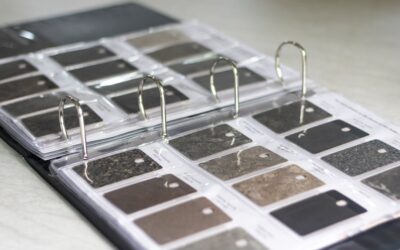
Do what I do on jobs where the client can’t decide: sample both on the actual floor. Two coats of each on a closet section or a large sample board with your actual stain, viewed at 8 a.m. and again under evening lamps, standing and from across the room. Sheen photographs poorly and shows honestly in person, and the raking morning light will demonstrate the scratch-visibility difference before you’ve committed a whole floor to it. And remember the escape hatch: sheen lives in the topcoat only, so changing your mind later costs one screen-and-recoat — a few hundred dollars and an afternoon — not a resand. It is the cheapest big mistake in flooring to fix, but it’s cheaper still to get right the first time.
The verdict from my side of the buffer: in the polyurethane semi gloss vs satin matchup, satin is the answer for eight or nine households out of ten — same protection, same price, and years of hiding the evidence of actual life. Choose semi-gloss deliberately, for formality and glow in rooms that will be gentle to it, and it will reward you; choose it by default, and your hallway will file a report on your family every sunny afternoon. When in doubt, satin — your future floor, and your future self with the dust mop, will thank you.