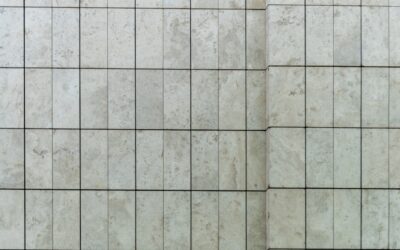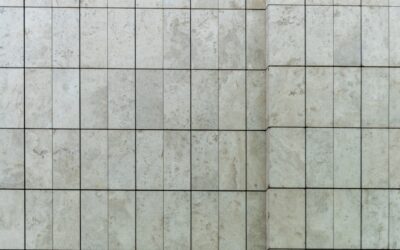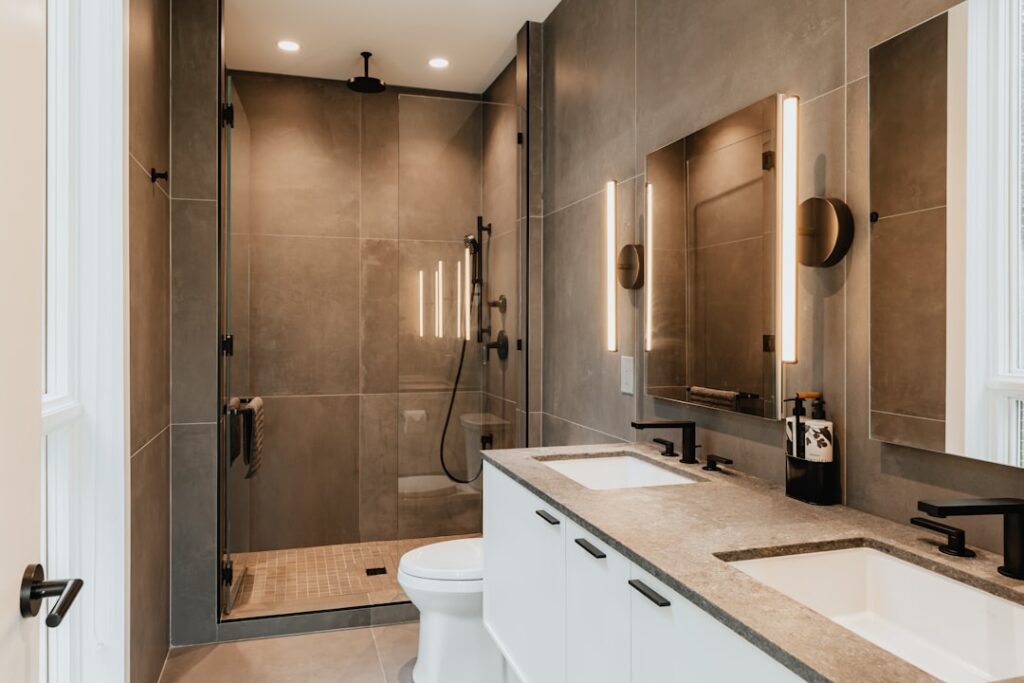
Few upgrades transform a bathroom like a well-built porcelain shower, prized for its dense, water-resistant surface and near-limitless design options. Because porcelain is fired at higher temperatures than standard ceramic, it absorbs less than 0.5 percent water, making it one of the most durable and hygienic choices for a wet, high-use space.
Whether you are picturing classic subway walls, marble-look large-format slabs, or a pebble-mosaic floor, this guide covers tile options, realistic costs, waterproofing essentials, and the maintenance that keeps a porcelain shower looking new for decades.
Why Choose Porcelain for a Shower
Density is the headline benefit. With very low water absorption, porcelain resists moisture, mold, and staining far better than most materials, which matters enormously in a shower that sees daily use. It also holds up to scratches, cleaning chemicals, and temperature swings without fading.
Design flexibility is the second draw. Modern printing technology lets porcelain convincingly imitate marble, travertine, concrete, and wood, so you get the look of natural stone without the sealing and etching worries. That combination of toughness and style is why designers reach for it repeatedly.
- Absorption under 0.5 percent means excellent water resistance for walls, floors, and niches.
- PEI ratings of 3 to 5 indicate strong wear resistance for shower floors.
- Consistent factory sizing produces tight, even grout lines and a clean look.
Types of Porcelain Tile for Showers
Format shapes the entire aesthetic. Classic 3-by-6-inch subway tile stays timeless and budget-friendly, while large-format tiles and slabs create a sleek, low-grout modern look. Mosaics and small hex tiles are favorites for shower floors because the many grout lines add slip resistance and follow the slope to the drain.
Large-format porcelain, sometimes sold as 24-by-48-inch panels or even full slabs, has surged in popularity because fewer seams mean less grout to clean and a seamless, spa-like feel. These big pieces are heavier and demand a very flat substrate and, often, professional installation.
Cost Breakdown
Budget depends on tile grade and labor. Porcelain tile itself typically runs $3 to $10 per square foot for standard options, climbing to $15 or more for premium marble-look and large-format lines. Slab porcelain panels cost considerably more per square foot but reduce grout and installation seams.
- Materials: Tile, thin-set, grout, and waterproofing membrane usually total $5 to $20 per square foot.
- Labor: Professional tile setting runs $10 to $25 per square foot, more for intricate patterns or large slabs.
- Full shower project: A typical enclosure often lands between $2,500 and $6,000 installed, with high-end slab jobs going higher.
Large-format and slab work costs more in labor because it requires specialized tools, lippage-control systems, and sometimes two installers to handle the weight.
Waterproofing Is Non-Negotiable
Porcelain resists water, but grout and seams do not, so the waterproofing behind the tile protects your walls. A proper porcelain shower relies on a continuous waterproof membrane over cement backer board or foam board, with seams and corners sealed using compatible tape and sealant.
Skipping or shortcutting this layer is the leading cause of shower failures, leading to hidden rot, mold, and costly rebuilds. Sheet or liquid membranes, a sloped shower pan, and properly sealed penetrations at the valve and drain all work together. This is the part of the job where paying a qualified installer, or following manufacturer instructions precisely, pays for itself.
Installation Considerations
Substrate flatness makes or breaks large-format work. Big tiles telegraph any dip or bump in the wall, so installers often use a lippage-control system with clips and wedges to keep edges level. Porcelain’s density also requires a proper porcelain-rated diamond blade and a strong thin-set mortar.
Plan the layout before setting a single tile. Center the pattern, place any accent bands and niches at comfortable heights, and dry-lay the floor mosaic to confirm the slope carries water to the drain. Curbless or low-threshold designs add accessibility but demand extra attention to slope and waterproofing.
- Maintain a consistent grout joint, typically 1/16 to 1/8 inch for walls and slightly wider for textured floors.
- Use a modified or porcelain-specific thin-set for reliable bonding to dense tile.
- Slope the shower floor about 1/4 inch per foot toward the drain.
Maintenance and Cleaning
Daily care is minimal. A quick squeegee after showers removes standing water and reduces soap scum and hard-water spots on the tile. For routine cleaning, a pH-neutral cleaner and a soft cloth keep the surface bright without dulling it.
Grout needs the most attention. Seal cement-based grout after installation and reseal it every year or two to resist staining and moisture. Avoid harsh acidic cleaners on colored grout, and address any cracked grout or failing caulk promptly, since those small gaps are where water sneaks behind the wall. Epoxy grout, though pricier and harder to install, resists stains and rarely needs sealing.
Porcelain vs. Other Shower Materials
Comparing options clarifies why porcelain stays so popular. Natural stone such as marble looks luxurious but is porous, etches with acidic products, and needs frequent sealing. Ceramic tile is cheaper and softer but absorbs more water and chips more easily, making it less ideal for shower floors. Solid surface and acrylic panels install fast and have no grout, yet they can look less premium and scratch over time.
Porcelain lands in the sweet spot: nearly as tough as stone, far lower maintenance, and available in looks that mimic every one of those alternatives. For a shower floor especially, its density and slip-resistant textured finishes give it an edge that softer ceramics and porous stones cannot match.
- Marble: elegant but high-maintenance and prone to etching.
- Ceramic: budget-friendly but more absorbent and chip-prone.
- Acrylic panels: seamless and quick, but less durable and lower-end in appearance.
Design Ideas and Trends
Current bathrooms favor larger tiles and fewer grout lines for a calm, expansive feel. Marble-look large-format porcelain on the walls paired with a small hex or penny-round mosaic floor is a reliable, timeless combination. Vertical stacked subway tile stretches ceilings visually, while a contrasting accent niche adds function and a design moment.
Texture and finish choices matter as much as color. Matte and honed surfaces read modern and hide water spots, while polished porcelain amplifies light in a small room. Wood-look porcelain planks bring warmth to a shower without the rot risk of real wood, and a continuous run of the same tile from the bathroom floor into a curbless shower makes the whole room feel bigger.
Safety and Slip Resistance
Shower floors demand attention to traction, since a smooth, wet porcelain surface can be slick. Look for tiles with a Dynamic Coefficient of Friction, or DCOF, rating of 0.42 or higher for wet areas; manufacturers list this on the spec sheet. Textured, matte, or mosaic floor tiles add grip, and the extra grout lines in a mosaic further improve footing.
Small-format floor tiles, roughly 1 to 2 inches, are the traditional choice precisely because they combine slip resistance with the flexibility to slope toward the drain. If you love a large-format wall tile, you can still pair it with a grippier small tile on the floor for the best of both. Grab bars and a built-in bench add safety and comfort, especially in a household planning to age in place.
Final Thoughts
A porcelain shower blends durability, low water absorption, and endless design possibilities into one of the smartest bathroom investments you can make. Choose a tile format that fits your style and budget, insist on flawless waterproofing behind the tile, and keep up with simple grout maintenance. Done right, a porcelain shower delivers a beautiful, low-maintenance space that holds its looks and value for decades.
Prefer to explore on your own?
See how new flooring looks in your actual room in seconds — free, no signup.
Try the free Floor Studio →