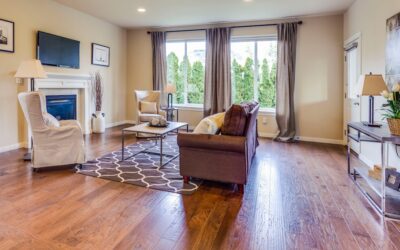
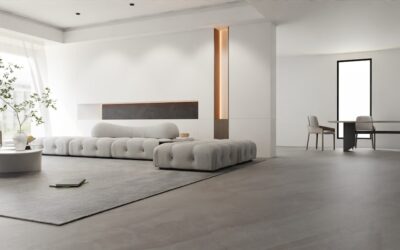
Vinyl has shed its dated, peel-up reputation and become one of the best-selling floors in America. Premium vinyl flooring, the high-end luxury plank and tile category, now mimics real hardwood and stone so convincingly that most people can’t tell the difference underfoot. It’s fully waterproof, scratch-resistant, and tough enough for kids, pets, and heavy traffic. Having installed and lived with these floors for years, I’ll cut through the marketing and give you the real pros, cons, and buying criteria so you spend wisely.
What Makes Vinyl Premium
Not all vinyl is created equal. Premium products, often labeled luxury vinyl plank (LVP) or luxury vinyl tile (LVT), differ from cheap sheet vinyl in three big ways. They’re thicker and rigid, with a multi-layer core that resists denting. They carry a substantial wear layer that protects the printed design. And they feature high-resolution photographic layers with embossed texture that actually feels like the wood or stone it imitates.
The core is the defining feature. Rigid cores, marketed as SPC and WPC, give these floors dimensional stability that older flexible vinyl never had, meaning they won’t telegraph subfloor imperfections or expand dramatically with temperature swings.
SPC vs WPC Cores
The two premium core types suit different priorities:
- SPC (Stone Plastic Composite): a dense limestone-and-plastic core. Extremely rigid and dent-resistant, thinner profile, slightly harder underfoot, great over imperfect subfloors and in high-traffic areas.
- WPC (Wood Plastic Composite): a foamed wood-and-plastic core. Softer and warmer underfoot, with a bit more cushion, but slightly more prone to denting from heavy furniture.
For busy households, rental properties, and rooms with heavy furniture, I lean SPC for its toughness. For bedrooms and living rooms where comfort underfoot matters most, WPC feels noticeably warmer and quieter. Both are fully waterproof.
Understanding Wear Layers
The wear layer is the clear protective top coating, and it’s the single best predictor of durability. It’s measured in mils, where one mil is a thousandth of an inch:
- 6 to 8 mil: light residential, low-traffic rooms
- 12 mil: standard residential, good for most homes
- 20 mil: heavy residential and light commercial, ideal for pets and kids
- 28 mil and up: commercial-grade durability
For a true premium home floor, aim for a 20-mil wear layer. It’s the level where scratches from dog nails and dragged chairs stop being a concern, and many products at this tier carry warranties of 25 years or more.
The Pros
Premium vinyl flooring earns its popularity. The standout advantages:
- Fully waterproof, so it works in kitchens, bathrooms, basements, and laundry rooms
- Highly durable, resisting scratches, dents, and fading with a quality wear layer
- Easy DIY installation via click-lock floating planks
- Comfortable and quiet underfoot, warmer than tile
- Low maintenance, needing only sweeping and damp mopping
- Realistic looks that convincingly mimic oak, hickory, and stone
The Cons
No floor is perfect, and honesty matters. The drawbacks worth weighing: premium vinyl can dent under extremely heavy or sharp point loads, and very cheap versions may show wear fast, which is why the wear layer spec matters so much. It generally adds little resale value compared with genuine hardwood, since buyers know it’s vinyl. And while it tolerates sun, intense direct UV can fade lower-quality products over years.
There’s also an environmental consideration. Vinyl is a plastic product and not biodegradable, though many manufacturers now offer low-VOC and FloorScore-certified options for better indoor air quality. If you’re chasing the prestige and longevity of real wood, vinyl is an imitation, however convincing.
Cost and Installation
Premium vinyl sits in an attractive price band. Material typically runs $3 to $7 per square foot for quality LVP, with high-end designer lines reaching $8 to $12. Professional installation adds $1.50 to $4 per square foot, so a fully installed floor lands around $5 to $10 per square foot.
The click-lock floating design makes it one of the most DIY-friendly floors available. Planks snap together over an underlayment without glue or nails, floating over most existing hard surfaces. A handy homeowner can lay a room in a weekend with a tapping block, a utility knife, and a square. Just acclimate the planks in the room for 48 hours first, and start with a flat, clean, dry subfloor.
Vinyl vs Laminate and Hardwood
Shoppers usually weigh premium vinyl against laminate and hardwood, so the differences matter. Laminate has a fiberboard core that swells if water sits on it, making it a poor choice for bathrooms and basements, whereas premium vinyl is fully waterproof. Laminate sometimes feels harder and louder underfoot, though it can look very convincing and often costs a touch less.
Hardwood is the prestige option, with unmatched natural beauty and the ability to be refinished multiple times, but it scratches, dents, and reacts badly to moisture. It also costs two to four times as much installed. For kitchens, basements, mudrooms, and homes with pets and kids, premium vinyl simply makes more practical sense. Reserve hardwood for formal living areas where resale value and authenticity justify the extra cost and care.
Not every plank labeled luxury vinyl is built the same, so look past the showroom display. Beyond the wear layer and core type, check for a few markers of quality: a thicker overall plank, typically 5 millimeters or more, feels more substantial and hides subfloor flaws. A textured, embossed surface that matches the printed grain reads as far more realistic than a flat photo finish. An attached cork or foam underlayment improves comfort and sound. Finally, read the warranty closely, since a 25- or 30-year residential warranty signals the manufacturer’s own confidence, and check for low-VOC or FloorScore certification for healthier indoor air.
Is It the Right Floor for You?
If you want a waterproof, durable, good-looking floor that’s easy to install and easy to live with, premium vinyl flooring is one of the smartest choices on the market. Prioritize a 20-mil wear layer and a rigid SPC or WPC core, and you’ll get a floor that handles pets, kids, and spills for decades. Choose genuine hardwood only if maximum resale value and natural authenticity outweigh vinyl’s unbeatable practicality and price.
Prefer to explore on your own?
See how new flooring looks in your actual room in seconds — free, no signup.
Try the free Floor Studio →