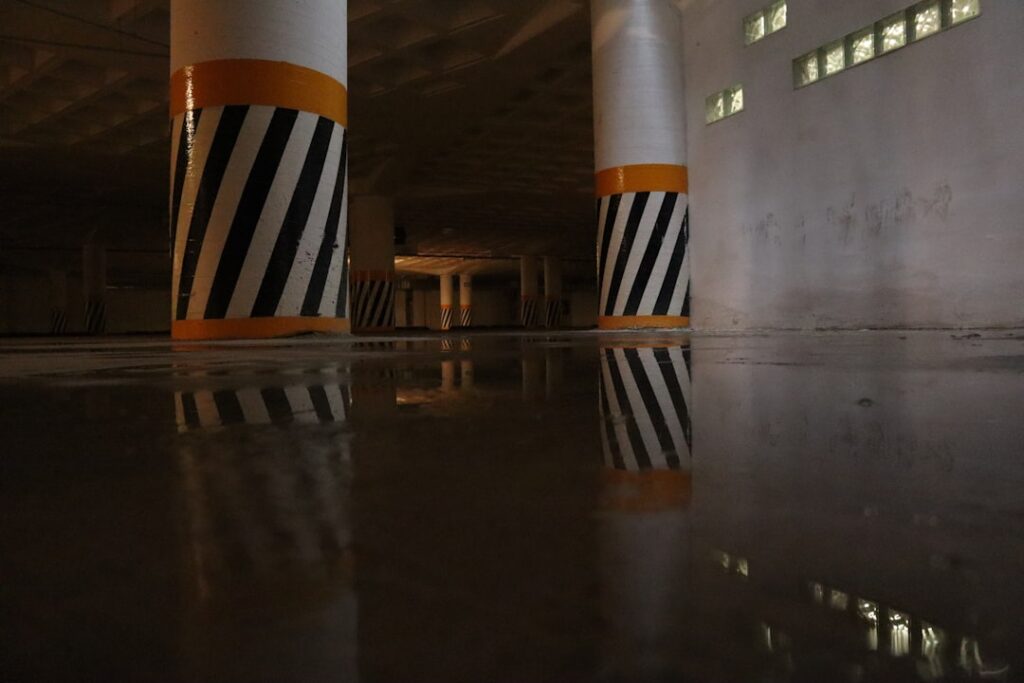
A bare concrete garage floor is a magnet for oil stains, cracks, and dust, and few upgrades transform the space as dramatically as a glossy, hard-wearing epoxy coating. While big-box DIY kits are tempting, a professional epoxy garage floor delivers a thicker, more durable, longer-lasting finish that DIY products rarely match. The difference comes down to surface preparation, materials, and expertise, and it shows in a floor that resists hot tires, chemicals, and years of abuse without peeling. This guide weighs the pros and cons of going professional, breaks down the real costs, and explains exactly what quality installation includes so you know what you are paying for.
Understanding why pro jobs cost more, and why they last longer, helps you decide whether the premium is worth it for your garage.
- Why Professional Installation Outperforms DIY
- Pros of a Professional Epoxy Garage Floor
- Cons and Considerations
- What a Professional Installation Includes
- Cost of a Professional Epoxy Garage Floor
- Epoxy vs. Polyaspartic: Which System to Choose
- How to Maintain a Professional Epoxy Floor
- Timing and What to Expect During Installation
- How to Choose a Good Installer
- Final Thoughts
Why Professional Installation Outperforms DIY
The single biggest predictor of an epoxy floor’s lifespan is surface preparation, and this is where professionals separate themselves. Rather than the acid-etching that comes in most DIY kits, pros use diamond grinding or shot blasting to mechanically open the concrete’s pores, creating the profile epoxy needs to bond permanently. They also use higher-solids commercial-grade epoxy, often 100 percent solids, versus the thinner water-based products in retail kits. The result is a coating several times thicker and vastly more durable.
Professionals also handle crack and pit repair, moisture testing, and proper multi-coat application, which includes a primer, base coat, decorative flakes, and a protective topcoat. A DIY kit typically offers a single thin coat that can begin peeling within a year or two under the weight and heat of vehicle tires.
Pros of a Professional Epoxy Garage Floor
- Superior durability: Properly prepped and coated, a pro floor lasts 15 to 20 years or more.
- Hot-tire resistance: Commercial epoxy withstands the heat and weight that lifts and peels DIY coatings.
- Chemical and stain resistance: Oil, gas, brake fluid, and salt wipe up without staining.
- Seamless, easy-to-clean surface: No grout or gaps, just a quick mop.
- Custom appearance: Choose flake blends, metallic finishes, and colors to match your style.
- Warranty: Reputable installers back their work, often for 5 to 15 years.
- Slip resistance: Pros add anti-slip aggregate to the topcoat for safety.
Cons and Considerations
- Higher upfront cost: Professional work costs two to four times more than a DIY kit.
- Scheduling and downtime: The garage is out of use during prep, coating, and curing, typically several days.
- Finding a quality installer: Not all contractors are equal, so vetting matters.
- Moisture-sensitive: Slabs with high moisture vapor can cause failure, which is why pros test first.
For most homeowners, the durability and warranty justify the added cost, especially since a failed DIY floor means grinding it off and starting over.
What a Professional Installation Includes
A quality pro job follows a multi-step process over one to three days:
- Moisture and slab evaluation: Testing for vapor issues and assessing cracks and condition.
- Mechanical surface prep: Diamond grinding or shot blasting to profile the concrete.
- Repairs: Filling cracks, pits, and spalls with patching compound.
- Primer coat: A penetrating primer that maximizes adhesion.
- Base coat: The pigmented epoxy layer.
- Decorative flakes: Broadcast into the wet base coat for texture and appearance.
- Topcoat: A clear polyurethane or polyaspartic seal for UV stability, chemical resistance, and slip control.
- Cure time: Typically 24 to 72 hours before you can park on it, depending on the products used.
Polyaspartic topcoats, increasingly popular, cure faster and resist UV yellowing better than standard epoxy topcoats, allowing some installers to finish a garage in a single day.
Cost of a Professional Epoxy Garage Floor
Pricing depends on the system, garage size, and slab condition:
- Standard epoxy with flakes: $5 to $8 per square foot installed.
- Full flake or quartz systems: $7 to $12 per square foot.
- Metallic epoxy: $8 to $15 per square foot.
- Polyaspartic systems: $7 to $12 per square foot, prized for fast cure and durability.
For a typical two-car garage of about 400 to 500 square feet, expect $2,000 to $6,000 depending on the finish and prep required. Extensive crack repair or moisture mitigation adds to the cost. Compared with a $150 DIY kit that may fail in a year, the professional route often proves cheaper over the floor’s lifetime.
Epoxy vs. Polyaspartic: Which System to Choose
Modern garage floor coatings come in two main families, and understanding the difference helps you evaluate a contractor’s quote. Traditional epoxy is a proven, economical base coat that bonds strongly and builds thickness, but standard epoxy can yellow under UV exposure and takes longer to cure. Polyaspartic (a type of polyurea) has surged in popularity because it cures far faster, sometimes allowing a one-day installation, resists UV yellowing, and handles temperature extremes better, staying flexible in cold and stable in heat. Many top installers use a hybrid system: an epoxy base coat for adhesion and build, topped with a polyaspartic clear coat for durability and UV stability. This combination delivers the best of both, and it is worth asking whether a quote includes a polyaspartic topcoat, since it meaningfully affects longevity and cure time.
How to Maintain a Professional Epoxy Floor
One of epoxy’s biggest selling points is how little upkeep it needs, but a few habits keep it looking new for decades. Sweep or dust mop regularly to remove grit that could otherwise be ground underfoot, and clean spills of oil, gas, or chemicals reasonably promptly, though a quality coating resists staining even if you do not. For deeper cleaning, a damp mop with a mild pH-neutral cleaner is all that is needed, avoiding harsh degreasers or acidic cleaners that can dull the finish over time. Place a mat under vehicles that leak, and use furniture pads or a plywood scrap under jack stands and floor jacks to prevent point-load gouging. With this minimal care, a professional floor easily reaches and exceeds its warranted lifespan.
Timing and What to Expect During Installation
Knowing the timeline helps you plan around the work. A typical two-car garage takes one to three days depending on the system, the slab’s condition, and how much repair is needed. Day one usually involves clearing the garage completely, grinding the concrete, and repairing cracks and pits. The coating layers, base coat, flake broadcast, and topcoat, go down over the following day or so, with drying time between each. After the final coat, you generally wait 24 hours before walking on it and 48 to 72 hours before parking a vehicle, since hot tires can mar a coating that has not fully cured. Polyaspartic systems shorten this considerably. Plan to keep the garage empty for the full window, and clear a space to store your belongings during the project.
How to Choose a Good Installer
Protect your investment by vetting contractors carefully. Ask what surface prep method they use, and favor those who grind or shot blast rather than acid etch. Confirm the epoxy solids content and topcoat type, and ask about the warranty length and what it covers. Request photos of past work and references, verify licensing and insurance, and get a detailed written quote that spells out the number of coats and the products used. A reputable installer will happily explain their process and stand behind the result.
Final Thoughts
A professional epoxy garage floor is a lasting upgrade that turns rough concrete into a durable, attractive, easy-to-clean surface built to survive hot tires, spills, and decades of use. While the upfront cost runs higher than a DIY kit, the superior preparation, thicker coatings, and warranty deliver a floor that actually lasts, making it the better value over time. Focus on the installer’s surface-prep method and the quality of the topcoat, get a clear written scope, and you will end up with a garage floor that looks showroom-ready and holds up for the long haul.