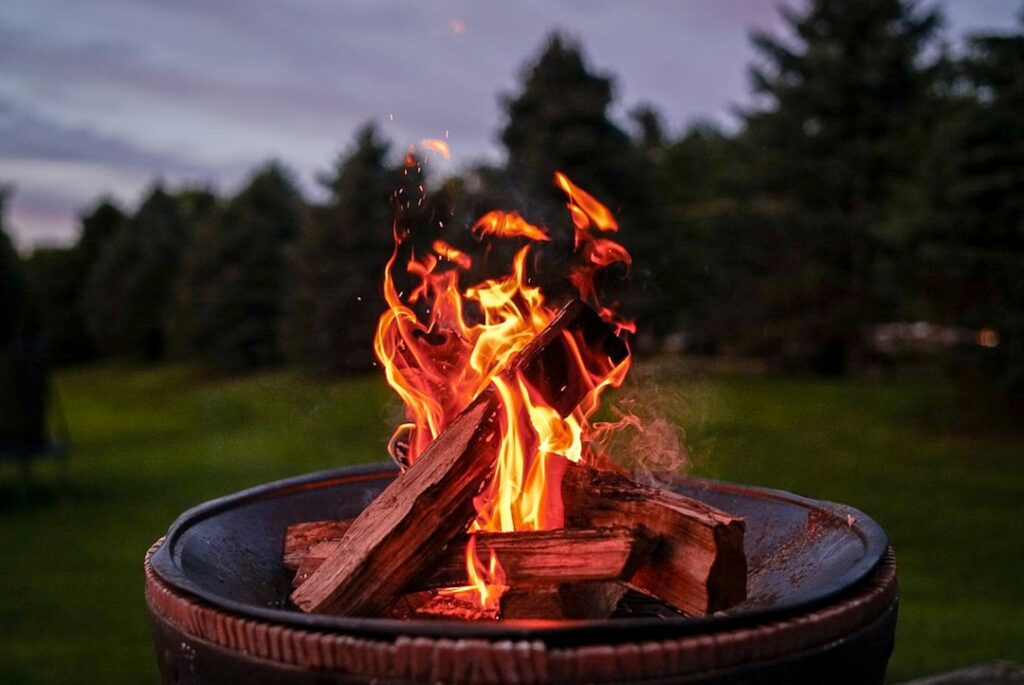
A standard 20-pound propane tank holds enough fuel to run a typical fire pit for roughly 8 to 10 hours, which means an entire weekend of evening fires on a single tank. A propane gas fire pit delivers the warmth and ambiance of a backyard fire without the smoke, sparks, or hauling of firewood. This guide covers everything you need to choose, place, operate, and maintain one safely.
- Propane vs Wood-Burning Fire Pits
- Propane vs Natural Gas
- Understanding BTU Output
- Choosing the Right Size and Style
- Where to Place Your Fire Pit
- Protecting Your Patio and Deck
- Safe Operation Step by Step
- Fuel Costs and Efficiency
- Lava Rock, Glass, and Media
- Maintenance and Storage
- Safety Essentials
- Final Thoughts
Propane vs Wood-Burning Fire Pits
The biggest decision is fuel type. Wood-burning pits offer that classic crackle and smoky aroma, but they produce smoke and embers, require firewood storage, and leave ash to clean up. Propane pits ignite instantly with a knob or push-button, burn cleanly with no smoke, and shut off the moment you are done. They are friendlier to neighbors, allowed in many areas with backyard burn restrictions, and far easier to use on a weeknight. The tradeoff is a higher upfront cost and ongoing fuel purchases.
Propane vs Natural Gas
Within the gas category, you can choose portable propane or a fixed natural gas line. Propane pits run off refillable tanks, so they are movable and need no permanent hookup, making them ideal for renters and flexible patios. Natural gas pits connect to your home’s gas line, giving you unlimited fuel and no tanks to refill, but they require professional installation and stay in one spot. For most homeowners wanting convenience and flexibility, propane is the simpler starting point.
Understanding BTU Output
BTU, or British thermal units, measures heat output, and it is the spec that determines how warm your fire pit feels. Most propane fire pits range from about 40,000 to 60,000 BTUs. Higher BTU output produces more heat and a larger flame but burns through propane faster. For a small patio or intimate gathering, 40,000 BTUs is plenty. For a larger space or cooler climates, look toward 50,000 or more. Remember that wind and open space disperse heat, so a fire pit warms those seated close to it rather than an entire yard.
Choosing the Right Size and Style
Fire pits come in many forms, and the right one depends on your space and how you entertain.
- Table-height pits: double as a surface for drinks and stand around 24 to 30 inches tall.
- Bowl and dish styles: lower profile, often more portable, good for casual seating.
- Linear fire tables: long, rectangular designs that suit larger seating arrangements.
- Column and pillar styles: tall and decorative, useful as a focal point.
Look for a built-in compartment that hides the propane tank for a cleaner look, and consider materials like cast aluminum, steel, or stone composite that hold up to weather.
Where to Place Your Fire Pit
Placement is a safety matter first and a design choice second. Keep the fire pit at least 10 feet from your house, fences, sheds, and any combustible structure. Maintain generous clearance overhead, well away from low tree branches, pergolas, and umbrellas. Set it on a level, non-combustible surface such as concrete, pavers, stone, or bare soil. Never place a propane fire pit indoors, in a garage, or under any enclosed roof, because gas appliances release combustion byproducts that require open-air ventilation.
Protecting Your Patio and Deck
At D and G Flooring, we often hear from homeowners worried about scorch marks and heat damage to wood decks and patio surfaces. While propane pits produce far less radiant heat downward than wood fires, the base can still get warm and a tipped tank or stray flame is a risk. Place a fire-resistant heat shield or a dedicated fire pit mat under the unit when using it on a wood deck or composite decking. These mats protect the surface from heat and any accidental spills, and they are inexpensive insurance against costly deck repairs.
Safe Operation Step by Step
Operating a propane fire pit is simple when you follow the right sequence.
- Confirm the area is clear of flammable items and the pit sits on a stable, level surface.
- Open the propane tank valve slowly all the way.
- Turn the control knob to the ignition position and press the igniter, or use a long lighter at the burner.
- Once lit, adjust the flame to your preferred height with the knob.
- When finished, turn the control knob off first, then close the tank valve fully.
Never leave a lit fire pit unattended, and keep children and pets at a safe distance from the flame.
Fuel Costs and Efficiency
Operating costs are modest. A 20-pound propane tank costs roughly $20 to $30 to refill and runs a typical pit for around 8 to 10 hours at moderate flame. That works out to a few dollars per evening of use. Running the flame low extends tank life considerably, while a roaring flame on a high-BTU unit empties a tank faster. Keeping a spare full tank on hand means you never have to cut an evening short.
Lava Rock, Glass, and Media
The decorative media in the burn area is more than cosmetic. Lava rock or fire glass disperses the flame evenly and helps radiate heat outward rather than letting it shoot straight up. Fire glass comes in many colors and gives a modern look, while lava rock offers a natural appearance at lower cost. Always use media rated for fire pits, never ordinary landscaping stones, which can trap moisture and crack or even pop when heated.
Maintenance and Storage
A little care keeps a propane fire pit running for many seasons. Cover it with a weatherproof cover when not in use to keep out rain and debris. Periodically check the burner ports for spider webs, insect nests, or debris that can block gas flow, and inspect the hose and regulator for cracks or wear. Always disconnect and store propane tanks outdoors in a shaded, ventilated spot, never indoors or in a hot car. Before each season, brush off the media and test the ignition before guests arrive.
Safety Essentials
Keep these rules front of mind every time you use the pit. Always operate outdoors with open-air ventilation. Check for the smell of gas before lighting, and if you smell propane, shut the valve and let it disperse before trying again. Keep a fire extinguisher or bucket of water nearby. Never move or refill a tank near an open flame. And turn off the gas at the tank, not just the knob, when you finish for the night.
Final Thoughts
A propane gas fire pit brings clean, instant, smoke-free warmth to any backyard, with easy operation and modest running costs. Match the BTU output to your space, place it safely away from structures, protect your deck with a fire-resistant mat, and keep up with basic maintenance. Do that, and you will gather around its glow on cool evenings for years to come.