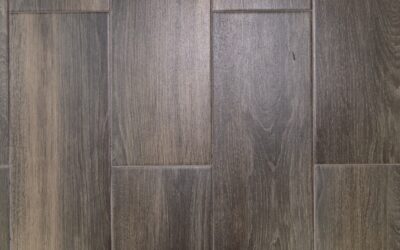
The word vinyl gets used loosely, but nearly every product called vinyl is built from the same base material, and understanding PVC vinyl clears up a lot of confusion when you are shopping for flooring, fencing, siding, or upholstery. PVC stands for polyvinyl chloride, a versatile synthetic plastic that can be made rigid or flexible depending on what is added to it. That single material is why a stiff fence post and a soft flooring plank can both be called vinyl. This guide explains what PVC vinyl is, how it shows up around the home, its strengths and weaknesses, and how to think about it when choosing materials.
What PVC Vinyl Actually Is
PVC is one of the most widely produced plastics in the world. On its own it is rigid, but manufacturers add plasticizers to make it flexible, along with stabilizers, pigments, and fillers to tune its properties. Rigid PVC, sometimes called uPVC, is used for pipes, fence rails, window frames, and siding. Flexible PVC is used for flooring, upholstery, tarps, and wall coverings. So when you see a product labeled vinyl, it is almost always some formulation of PVC.
PVC Vinyl in Flooring
Flooring is where most homeowners encounter PVC vinyl, and it comes in several familiar forms.
- Sheet vinyl: Large flexible rolls, an affordable, water-resistant choice for kitchens and baths.
- Luxury vinyl plank and tile (LVP and LVT): Rigid or semi-rigid planks with a printed photographic layer mimicking wood or stone.
- SPC and WPC: Engineered rigid cores, stone-plastic composite and wood-plastic composite, that add stability and a more solid feel underfoot.
All of these rely on a PVC base layer, with a printed design film and a clear protective wear layer on top. The wear layer thickness, measured in mils, largely determines how well the floor resists scratches and traffic.
Other Common Uses Around the Home
PVC vinyl extends far beyond floors. Rigid PVC forms low-maintenance fencing, deck rails, and house siding that never needs painting. It frames many replacement windows. Flexible PVC covers furniture as faux leather upholstery, lines pools, and is woven or coated into durable tarps. The same chemistry that makes flooring water resistant makes all of these products shrug off moisture, which is the common thread.
Pros of PVC Vinyl
PVC’s popularity comes from a genuinely useful set of traits.
- Highly water resistant, making it ideal for kitchens, baths, basements, and outdoor use.
- Durable and resistant to rot, insects, and corrosion.
- Low maintenance, needing no painting or sealing in most applications.
- Affordable compared with natural materials it imitates.
- Easy to clean and available in a huge range of colors and patterns.
Cons and Considerations
PVC vinyl is not perfect. Lower-quality vinyl can dent, fade, or look obviously artificial, and a thin wear layer scratches quickly under furniture and pets. Because it is a plastic, it is less environmentally friendly than natural materials and is difficult to recycle, and some new vinyl can off-gas a faint odor that fades over time; choosing products tested for low emissions helps. Vinyl flooring also needs a smooth, well-prepared subfloor, since flexible types telegraph any bumps underneath. Finally, while durable, it generally does not add the resale value that hardwood or stone can.
Cost Ranges
As a general guide in the US market, sheet vinyl runs roughly $1 to $4 per square foot, basic luxury vinyl plank about $2 to $5, and premium rigid-core LVP and quality WPC or SPC products around $4 to $8 or more. Installation adds about $1 to $4 per square foot for flooring depending on the type and subfloor prep. Vinyl fencing and siding are priced by the project and vary widely by style and region.
How PVC Vinyl Compares
Against natural materials, PVC vinyl trades some authenticity and prestige for water resistance, low maintenance, and a lower price. Compared with laminate, vinyl is more water resistant but laminate can feel more rigid and resist surface scratching well at the premium end. Compared with tile, vinyl is warmer and softer underfoot and far easier to install, though tile lasts longer and resists heat better. The right choice depends on the room, your budget, and how much you value the look and resale appeal of the genuine material.
The Bottom Line
Reading a Vinyl Flooring Spec Sheet
When you shop for vinyl flooring, a few numbers on the spec sheet tell you more than the photo on the box. The wear layer, measured in mils, is the clear protective top coat, and thicker is better for scratch and traffic resistance; a residential floor might have a wear layer in the lower mil range, while a busy household or light commercial space benefits from a thicker one. The overall plank thickness affects how solid the floor feels and how well it bridges minor subfloor imperfections. The core type, whether flexible, SPC, or WPC, governs stability and comfort underfoot. Look also for an attached underlayment, which adds cushioning and quiets the floor, and check the warranty length as a rough proxy for the manufacturer’s confidence.
Installation Methods
PVC vinyl flooring installs in several ways depending on the product. Click-lock planks float over the subfloor, snapping together edge to edge without glue, which makes them the most popular DIY option. Glue-down vinyl bonds directly to the subfloor with adhesive, offering a very stable result favored in larger or high-traffic spaces. Loose-lay vinyl relies on its weight and a high-friction backing to stay put, simplifying replacement. Sheet vinyl is rolled out and either loose-laid or glued. Whatever the method, the subfloor must be clean, dry, and smooth, because flexible vinyl in particular telegraphs bumps and debris, and trapped moisture under glued products can cause failure over time.
PVC vinyl is the workhorse plastic behind a huge share of modern home products, prized for shrugging off water and demanding little upkeep. For flooring, focus on the wear layer thickness and core type to get a product that lasts. Understood for what it is, a durable and practical synthetic, PVC vinyl is one of the most useful materials you can choose for wet, busy, low-maintenance areas of the home.
Prefer to explore on your own?
See how new flooring looks in your actual room in seconds — free, no signup.
Try the free Floor Studio →