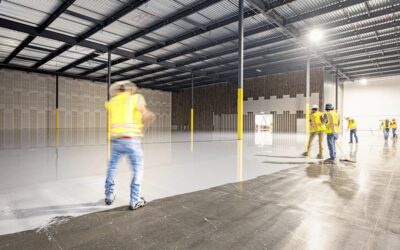
Shop for resilient floors long enough and you will run into a confusing alphabet soup of acronyms. PVT flooring — short for polyvinyl tile — is one of the more misunderstood entries on that list. It refers to a flexible, vinyl-based tile flooring engineered for heavy use, and it shows up most often in commercial spaces, gyms, and high-traffic homes. If you have been comparing it against LVT or sheet vinyl and cannot tell the difference, this guide clears it up.
I have specified resilient tile for retail buildouts and homes alike. Here is what PVT actually is, where it earns its keep, and where you should pick something else.
What PVT Flooring Actually Is
Polyvinyl tile is a resilient flooring made primarily from polyvinyl chloride (PVC) compounded with stabilizers, pigments, and fillers, then formed into individual tiles or planks. The term overlaps heavily with vinyl composition tile (VCT) and luxury vinyl tile (LVT), and manufacturers use it loosely. In practice, PVT describes a durable, semi-flexible vinyl tile that resists abrasion and moisture better than older composition tiles.
The material is layered. A clear wear layer sits on top to take the abuse, a printed or solid color film provides the look, and a dense backing gives the tile body and dimensional stability. Thickness typically runs 2mm to 5mm, with a wear layer measured in mils — the higher the mil count, the longer it lasts under traffic.
Where PVT Flooring Works Best
This is a workhorse material, so it shines where floors take a beating. Commercial corridors, schools, healthcare facilities, and retail floors are its natural home because it tolerates rolling loads, foot traffic, and frequent mopping. In residential settings, it suits basements, mudrooms, kitchens, and home gyms — anywhere you want toughness over warmth.
Because the core is vinyl, PVT handles incidental moisture without swelling the way laminate or engineered wood would. That makes it a sensible pick for below-grade rooms and slabs where humidity is a concern.
Pros of PVT Flooring
- Durable — a thick wear layer shrugs off scratches, scuffs, and dropped tools.
- Water-resistant — the PVC body does not absorb water, so spills wipe up.
- Affordable — material runs roughly $1 to $4 per square foot, cheaper than most LVT.
- Low maintenance — sweep and damp-mop; many products take a polish for shine.
- Repairable — individual tiles can be lifted and replaced if one gets damaged.
Cons You Should Weigh
No floor is perfect, and PVT has real tradeoffs. The look is functional rather than luxurious. While printing has improved, budget PVT can read flat and commercial next to a high-end wood-look LVT. Glue-down installation also demands a near-perfect subfloor; any bump or divot telegraphs through the thin tile within months.
Some older or lower-grade products may contain plasticizers and require periodic stripping and waxing to keep their finish, which adds long-term labor. And because seams are glued individually, a sloppy install can let moisture creep between tiles in wet rooms. Hire someone who knows resilient flooring if the area sees standing water.
PVT vs LVT vs Sheet Vinyl
These three get confused constantly, so here is the honest breakdown:
- PVT / VCT: Tougher, cheaper, more commercial. Often needs glue-down and may need waxing. Best value for high-traffic utility spaces.
- LVT: More realistic visuals, thicker wear layers, available in click-lock floating formats. Costs more — typically $3 to $7 per square foot — and looks residential.
- Sheet vinyl: Comes in wide rolls with fewer seams, making it the most water-tight for bathrooms, but it is harder to repair and less premium.
If your priority is durability per dollar in a busy or wet area, PVT wins. If you want a convincing wood or stone look in a living space, lean toward LVT.
How It Is Installed
- Prep the subfloor. It must be clean, flat to within 1/8 inch over 6 feet, and dry. Skim-coat any imperfections.
- Acclimate the tile. Let boxes sit in the room 48 hours so the vinyl stabilizes to room temperature.
- Spread adhesive. Most PVT is glued with a trowel-applied vinyl adhesive; let it flash to the right tack before setting tiles.
- Lay from center. Snap chalk lines and work outward to keep the pattern square and partial tiles at the walls.
- Roll the floor. Use a 100-pound roller to seat the tiles and eliminate air pockets.
Cost and Lifespan
Materials are inexpensive at $1 to $4 per square foot, and professional glue-down installation adds roughly $2 to $4 per square foot. A 200 sq ft room therefore lands somewhere between $600 and $1,600 installed, depending on grade and labor. With proper maintenance, commercial-grade PVT lasts 15 to 20 years, easily outliving cheaper floating floors in punishing environments.
Maintenance and Care
Day-to-day upkeep is simple, but the long-term routine depends on the product grade. Sweep or dust-mop daily to keep grit from abrading the wear layer, and damp-mop with a neutral cleaner as needed. Some traditional polyvinyl and composition tiles are finished with a floor polish that needs periodic stripping and recoating — typically once or twice a year in commercial settings — to keep the surface glossy and protected. Higher-grade PVT and LVT products skip the wax entirely with a factory-applied urethane wear layer, which is the lower-maintenance route for a busy home.
Avoid letting standing water sit on glued seams in wet areas, and clean up oil and chemical spills promptly. Place walk-off mats at entries to trap the grit that does the most damage over time.
Choosing Quality PVT
Not all polyvinyl tile is equal, and the spec sheet tells you what you are getting. The single most important number is wear-layer thickness, measured in mils — 12 mil suits light residential use, 20 mil and up handles heavy traffic and commercial wear. Overall tile thickness affects how well it bridges minor subfloor imperfections, while the backing type determines moisture tolerance. Look for a clear warranty that matches your intended use, and confirm whether the product needs waxing or comes pre-finished. Buying a few extra tiles from the same dye lot at the outset gives you matching replacements down the road, since colors and patterns get discontinued.
Is PVT Flooring Right for You?
Choose PVT flooring when durability, moisture tolerance, and cost matter more than a designer aesthetic. It is the smart call for basements, gyms, workshops, garages, and any commercial space that sees carts, chairs, and constant foot traffic. If you want the warmth of real wood or the realism of premium LVT in a living room or bedroom, step up to luxury vinyl instead. For tough, washable, budget-friendly performance, polyvinyl tile remains one of the best values in resilient flooring.
Prefer to explore on your own?
See how new flooring looks in your actual room in seconds — free, no signup.
Try the free Floor Studio →